NMC flags destructive fishing as 'serious threat' to PH food, livelihood security
Make this your preferred source to get more updates from this publisher on Google.
The National Maritime Council (NMC) raised concern over reported destructive fishing in the country, saying it threatens not only the enforcement of fishing laws but also food and livelihood security.
“This is serious because fishing, especially when explosives are used, is not just a one-day problem,” NMC spokesperson Undersecretary Alexander Lopez said on Bagong Pilipinas Ngayon.
“It can damage the marine ecosystem, destroy our coral reefs, harm juvenile fish and affect our overall fish stocks, which our fisherfolk depend on for their livelihood.,” he added in Filipino.
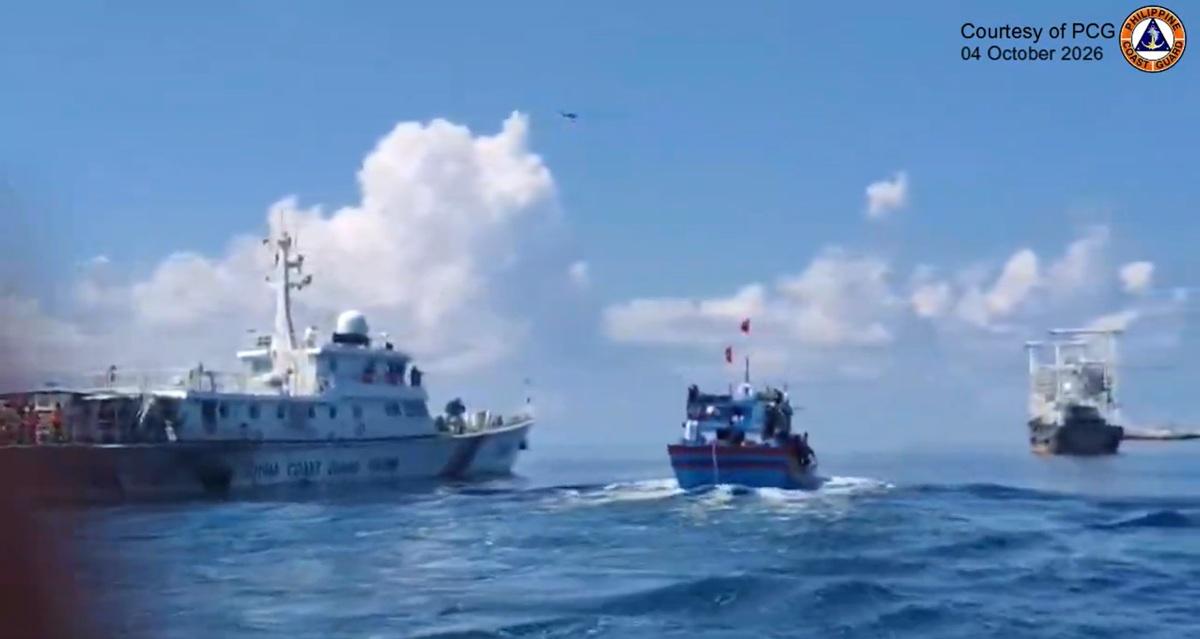
On Sunday, the Philippine Coast Guard (PCG) said it received a report of dynamite fishing near Pag-asa Island.
However, Rear Admiral Jay Tarriela, the PCG spokesperson for the West Philippine Sea, said Philippine authorities were unable to respond to the suspected vessel after Chinese vessels blocked their operation.
The NMC acknowledged that the Philippines must uphold its sovereignty and rights over its territory, adding that a regular presence and enforcement operations are necessary in the West Philippine Sea to protect the country's rights and livelihoods.
“So this is not just about enforcing fishing laws. It is also a matter of food security, livelihood and the protection of our marine resources. That is why it is important to maintain a regular presence and conduct enforcement operations in the West Philippine Sea,” Lopez said.
Upholding rights
The NMC said the Philippines does not have to choose between firmly upholding its rights and maintaining diplomacy with China.
Lopez said what is needed is proper coordination, professionalism and keeping diplomatic channels open to report and resolve disputes.
“We do not need to choose between being firm and being peaceful. We will enforce our laws and defend our maritime rights, but we will do so with professionalism, restraint and proper coordination,” Lopez said.
“And in the same way, we use diplomatic channels and mechanisms to resolve concerns or disputes and prevent unnecessary escalation,” he added.
To strengthen and expedite responses to suspicious activities within the Philippines' exclusive economic zone, the NMC advised authorities to sustain maritime domain awareness and monitoring, strengthen coordination among concerned agencies, and document incidents to guide appropriate future responses.
The NMC assured the public and fisherfolk that it would continue to protect marine resources and local livelihoods.
“Our position is clear: we will not abandon our rights, we will not allow our marine resources to be destroyed, and we will not neglect our responsibility to enforce our laws, whether local or international,” Lopez said. — MCG, GMA News
Follow GMA News Online on Facebook for real-time news and developments in the Philippines and around the world.
KioskNews shows a cleaned-up reading view extracted from the publisher’s page — the original always lives on their site, not ours.