Peoples of Israel: Hannah Pasternak-Shames, the wayfinder
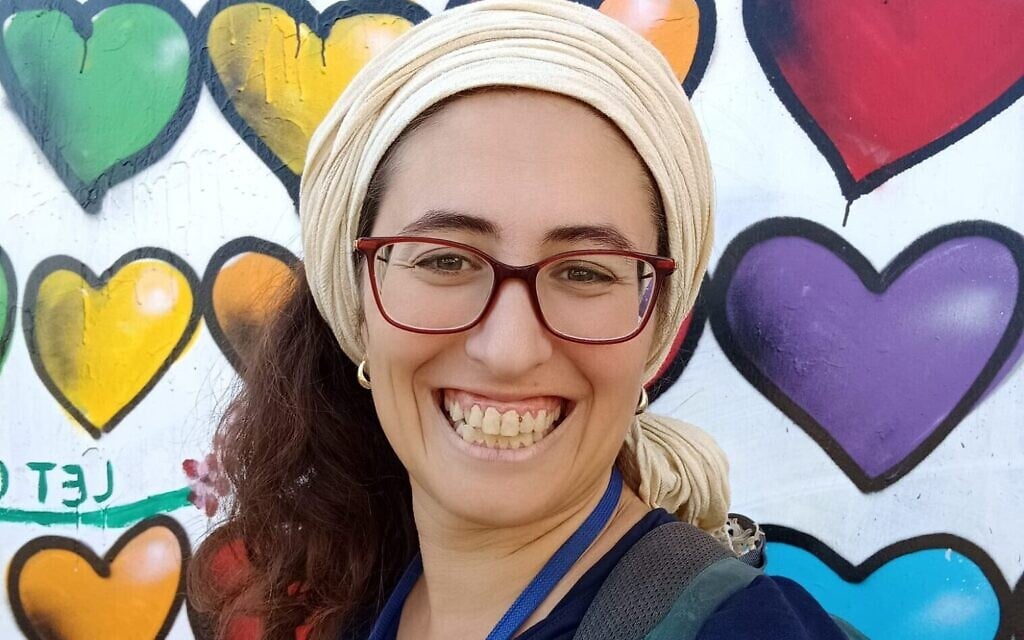
Hannah Pasternak-Shames always knew she wanted to live in Israel.
“I made aliyah because I feel more at home here than anywhere else in the world,” she says, using the Hebrew word for immigrating to Israel. “I just woke up happier here.”
Pasternak-Shames grew up in Livingston, New Jersey, and although she had visited Israel several times before immigrating after college, she wanted to gain a fuller sense of the country.
So shortly after arriving, she decided to walk it from root to tip.
For two months, Pasternak-Shames hiked the Israel National Trail, crossing mountains and desert, forests and fields from Eilat northward.
“When am I ever going to have two months to just go hiking?” she remembers thinking.
WATCH the full episode here:
Pasternak-Shames found an online forum for people planning to hike the trail, joined a group of strangers in Eilat, and just began.
Every day was simple, at least in theory.
Walk up a mountain. Walk down a mountain. Then walk up another mountain.
“But at some point, you start wondering why you did this to yourself,” she laughs.
Still, moving through her new country at the pace of her own two feet was transformative.
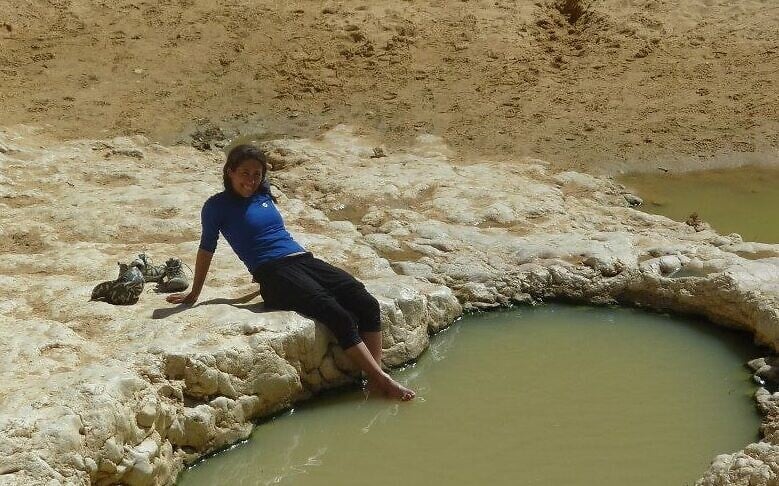
“You’re walking all day, so you really have so much time to sit and think about who you are and who you want to be and what’s inspiring you in life,” she says, “what is pushing you up the mountain.”
At night in the Negev Desert, Pasternak-Shames sometimes unrolled her sleeping bag beneath the open sky.
“I slept outside under the Negev stars,” she says. “And it was amazing.”
Somewhere along the trail, she also began learning how to be Israeli. On the second day, her group shared a campsite with American teenagers from the Alexander Muss program, which brings high school students to Israel on a college prep course.
Her hiking companions had an idea.
“You’re American. They’re American,” they said. “Go ask for a job.”
Pasternak-Shames was horrified.
“That’s not how this works,” she said.
Her new Israeli friends assured her that it absolutely was how it worked.
So, Pasternak-Shames gathered her courage, walked over to the adult in charge and introduced herself.
“Hi, I’m Hannah. I just made aliyah, and I was wondering if you were hiring.”
As it happened, they were — and that was how Pasternak-Shames got her first job in Israel.
And the trail kept surprising her.
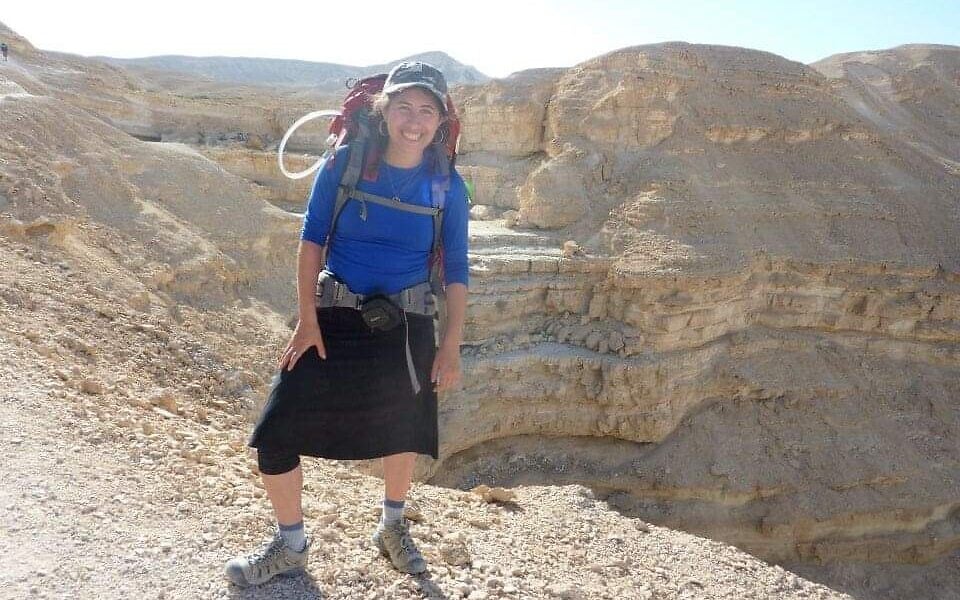
After weeks of hiking north through the desert, Pasternak-Shames and her companions reached Arad, a city near the Dead Sea. The next morning, they continued walking.
Suddenly, everything was green.
“I turned to the people I was hiking with and said, ‘Do you realize that yesterday we were in the desert and today we’re not? That’s so crazy.’”
They looked at her.
“Welcome to Israel.”
For Pasternak-Shames, walking the land was the beginning of learning how to tell its story.
She had worked in her college admissions office, where she discovered she had a knack for showing people around and explaining what made a place special.
On the Israel National Trail, the pieces came together.
“I really love taking something complicated and making it simple for people,” she says. “And the name of the job that you have if you want to take a really complicated and multi-layered and challenging story and tell it to other people, the name for that job is a tour guide.”
There was just one more surprise: Jerusalem.
Pasternak-Shames had been certain she would settle in the Negev. Then she came to Jerusalem to visit a friend whose roommate was getting married and needed someone to take her place in the apartment.
Pasternak-Shames wasn’t interested.
“I don’t want to live in Jerusalem,” she remembers thinking. “There are too many Americans there.”
Her friend convinced her to see the apartment anyway.
So Pasternak-Shames went.
“The light was incredible,” she remembers.
She figured she could stay temporarily, but instead Pasternak-Shames built her life in Jerusalem, got married, and became a licensed tour guide and eventually a mother of four.
She passed her licensing exam while heavily pregnant with her eldest son. A few months after he was born, she enrolled in a course to become certified to guide Birthright groups.
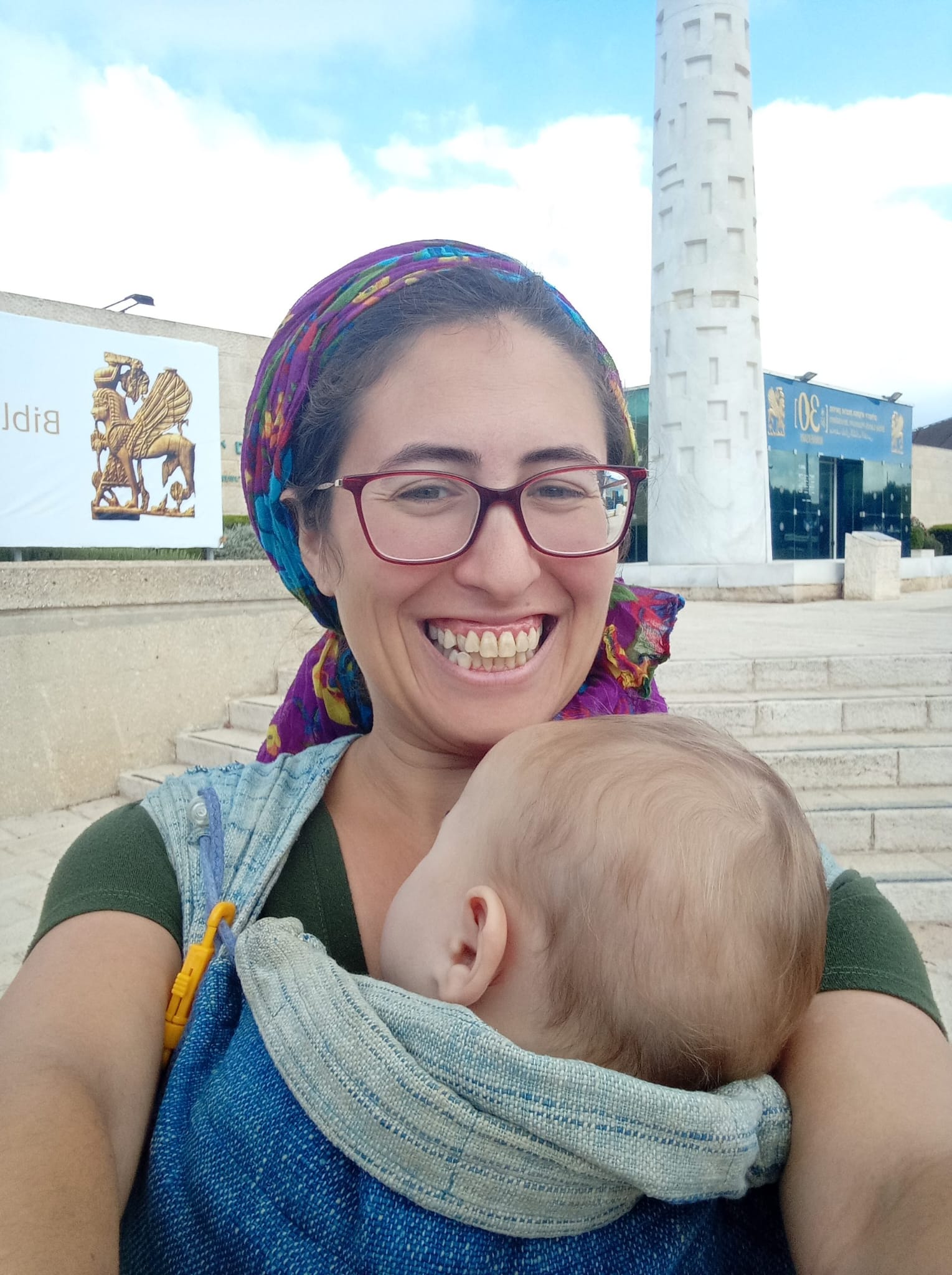
There was one complication: She was nursing and needed to bring the baby. The organizers had never had a baby attend the course before. But Pasternak-Shames brought him.
“He was so happy and chill,” she recalls.
He also had excellent attendance, and at the end of the course, the organizers gave him a certificate, too.
“They said he’d had full attendance in the whole course,” Pasternak-Shames laughs. “They were ready to accept him as a Birthright guide as well.”
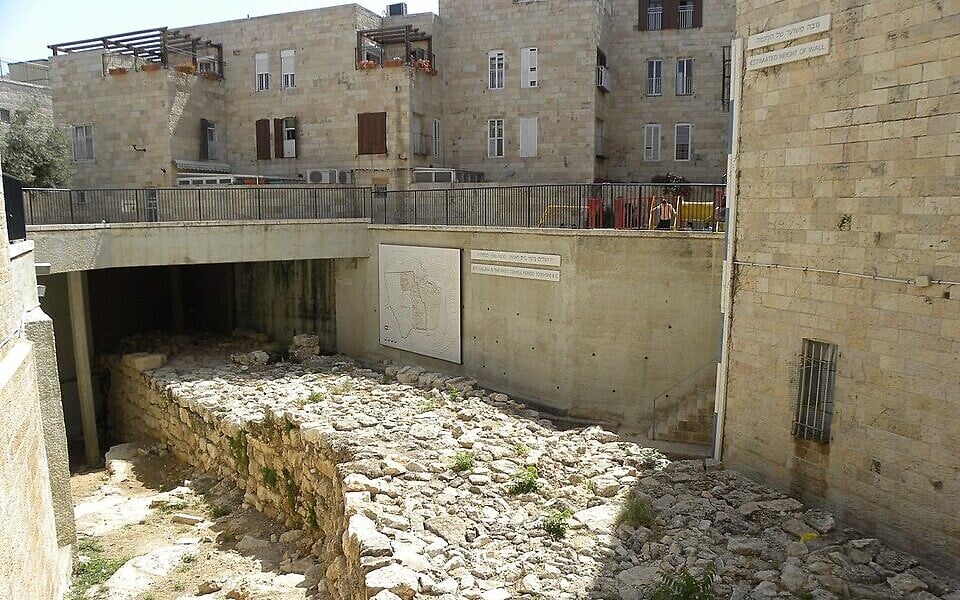
Today, one of Pasternak-Shames’s favorite places to guide is the Broad Wall in Jerusalem’s Old City, a 23-foot-thick fortification dating back to the time of King Hezekiah.
“What I love about the Broad Wall is that it’s this place where biblical history meets archaeology,” she says.
She cannot show a visitor archaeological proof of Abraham or Isaac or Jacob. But with King Hezekiah and the Assyrian king Sennacherib, archaeology and ancient texts intersect with the biblical account.
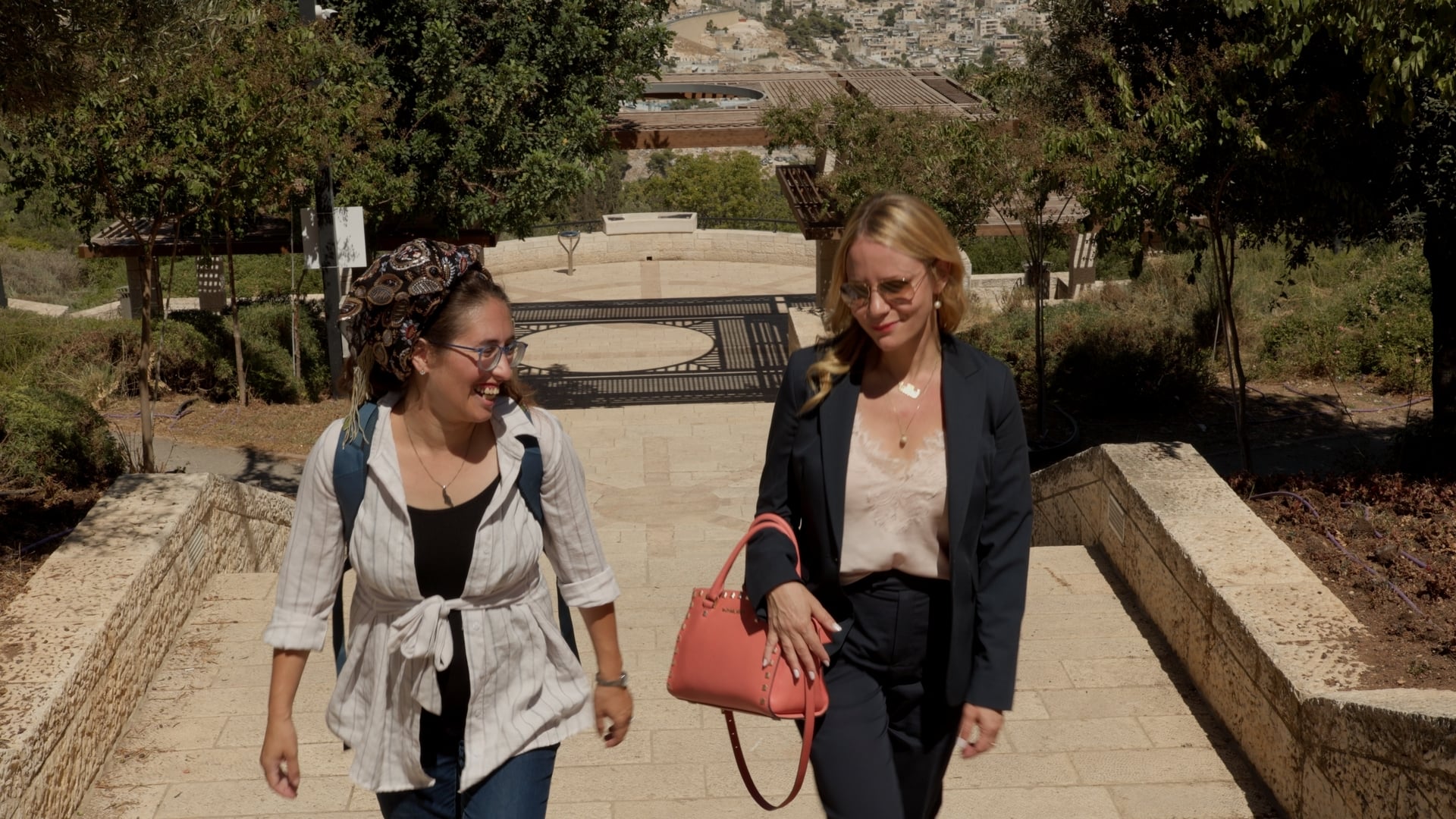
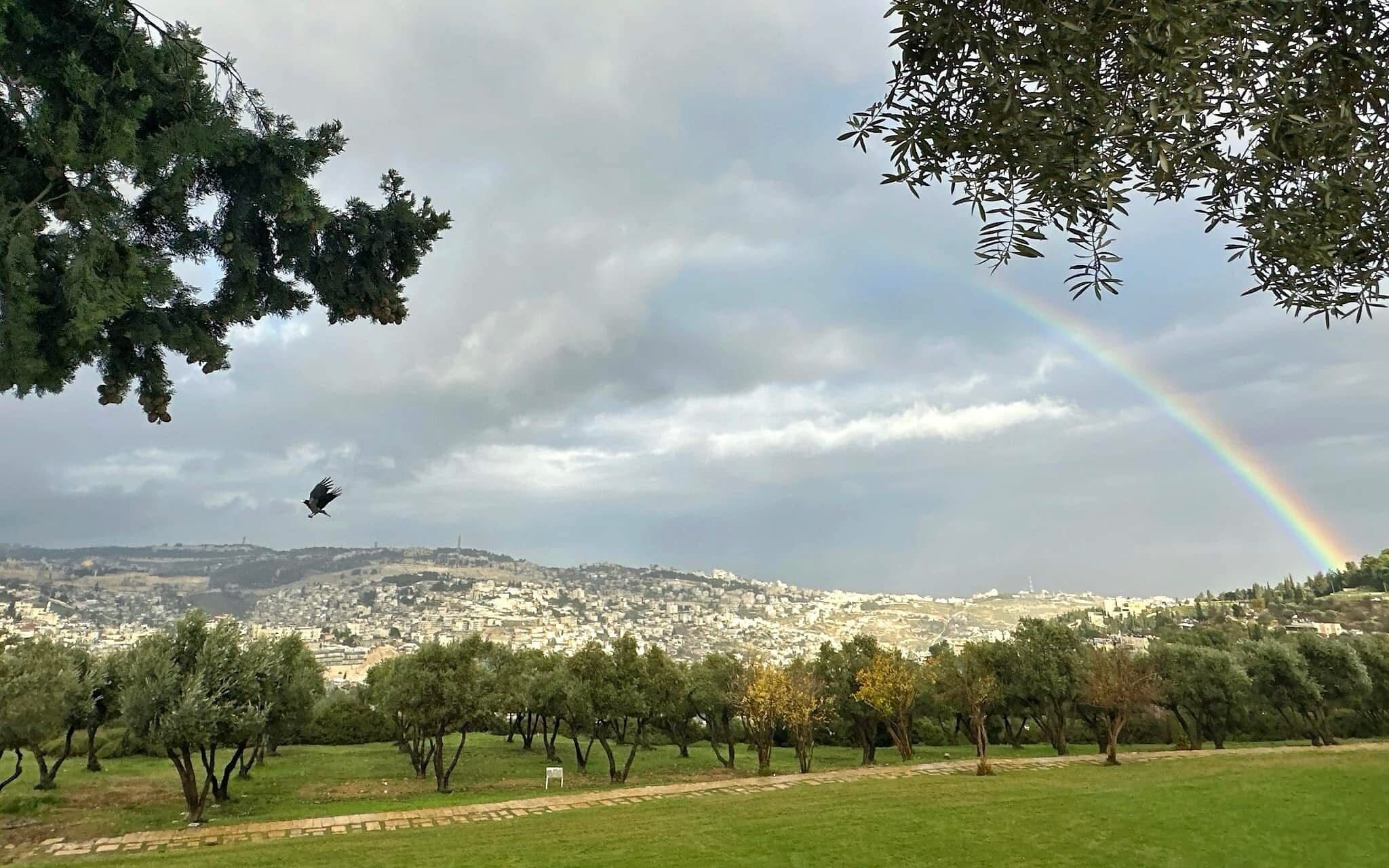
But perhaps the place that best explains why Pasternak-Shames fell in love with Jerusalem is where we are sitting together: the promenade at Armon HaNatziv, overlooking the Old City.
Tradition associates this ridge with the place from which Abraham first saw Mount Moriah on his journey toward the binding of Isaac.
For Pasternak-Shames, it is also simply part of her neighborhood.
“This is the promenade I walk down all the time,” she says. “And also, this is part of our story.”
The ancient and the ordinary intersect, and this is evident as the sound of construction buzzes over the valley.
“I just think it’s so amazing to be in a place where the biblical story is interacting with my life today,” Pasternak-Shames says.
And then, as if Jerusalem has been waiting for its cue, the Muslim call to prayer begins.
It echoes across the hills, over a city sacred to Jews, Christians and Muslims. Pasternak-Shames listens.
“One of the things that really blows my mind about Jerusalem is that fully one of every two people on the planet belongs to a religion that considers Jerusalem holy,” she says. “The call to prayer is part of that story. Jewish longing for the Temple is part of that story. Pilgrims arriving from around the world are part of that story, too.”
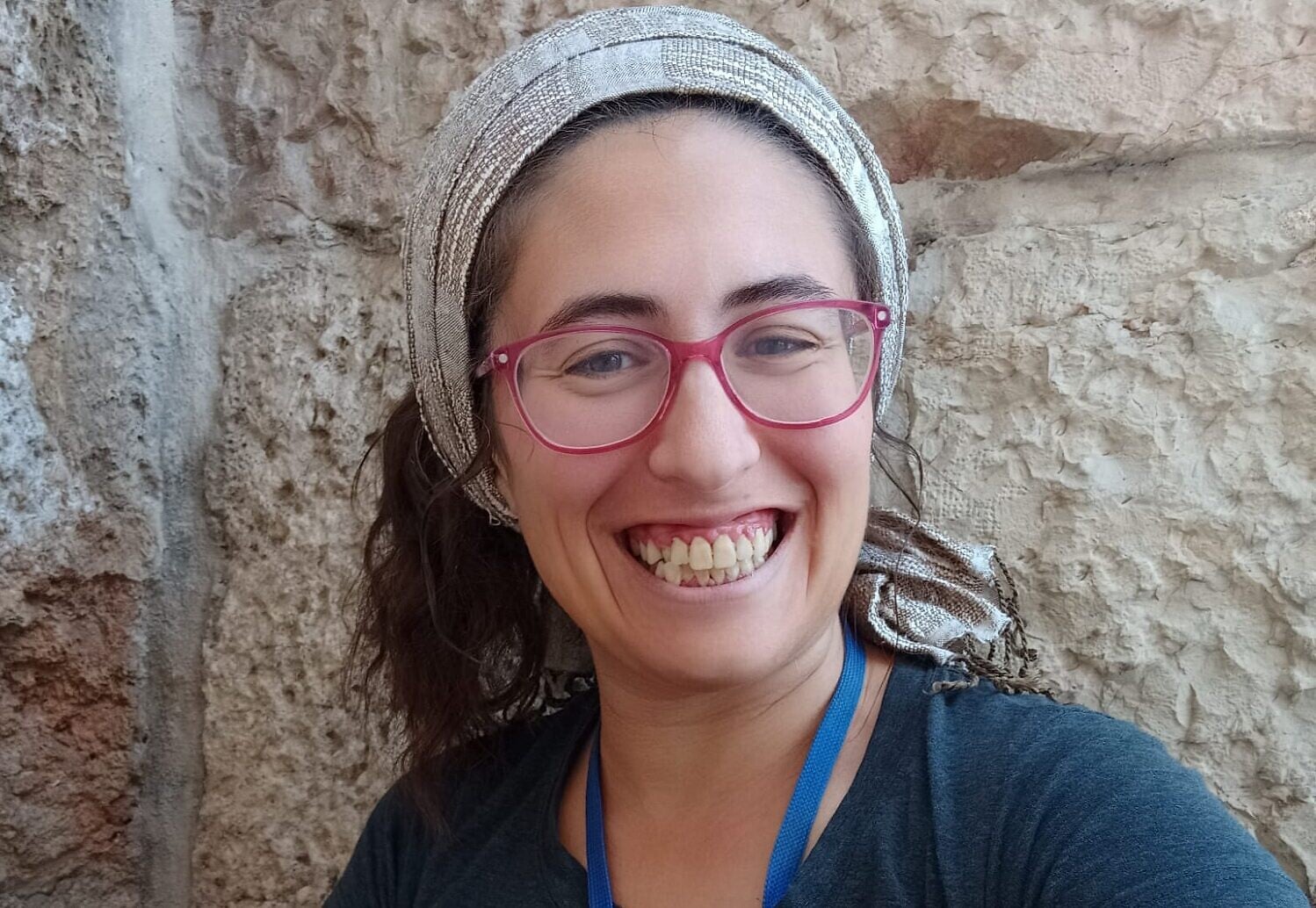
Pasternak-Shames spends her days doing what she discovered all those years ago she was meant to do: taking something complicated and multilayered and helping other people understand it.
“I think we’re always growing and changing and becoming different people,” she says. “And all we can do is be our best selves right here, right now.”
For Pasternak-Shames, “right here” happens to be Jerusalem.
“It’s such a privilege to live in this place that’s really at the center of the world,” she says.
KioskNews shows a cleaned-up reading view extracted from the publisher’s page — the original always lives on their site, not ours.