MTR station’s defective columns: what went wrong and who is at fault?
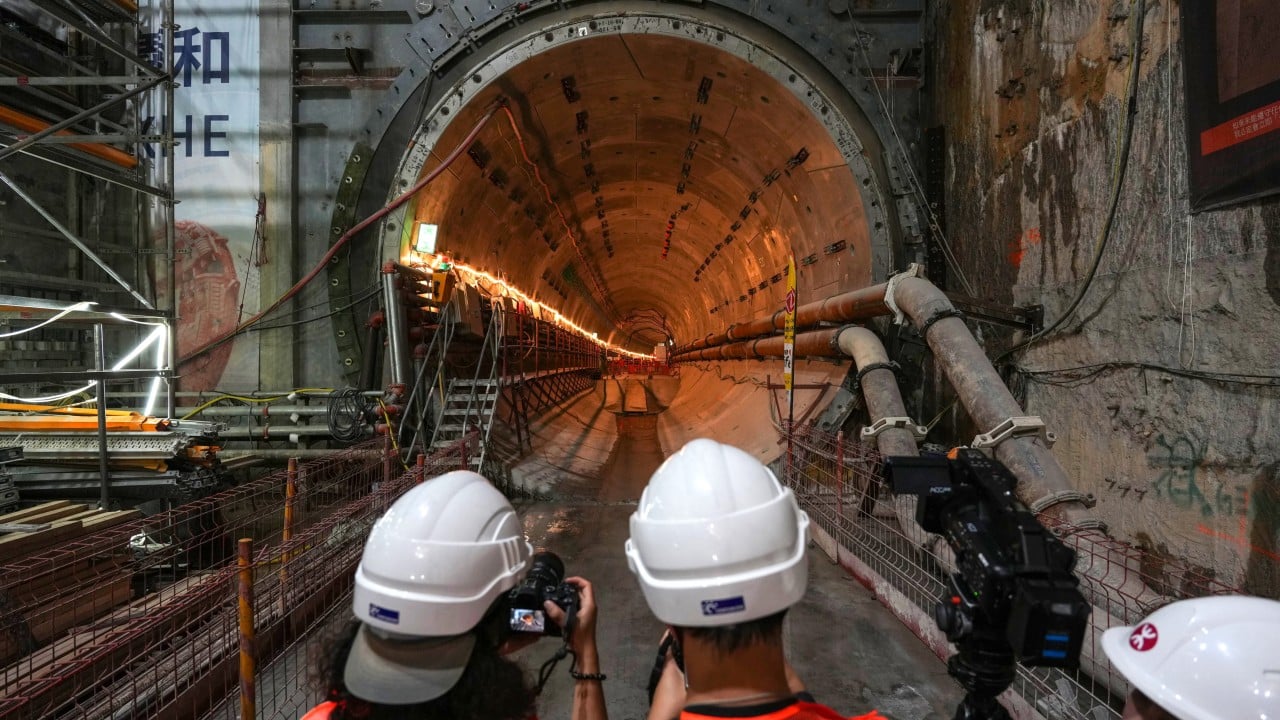
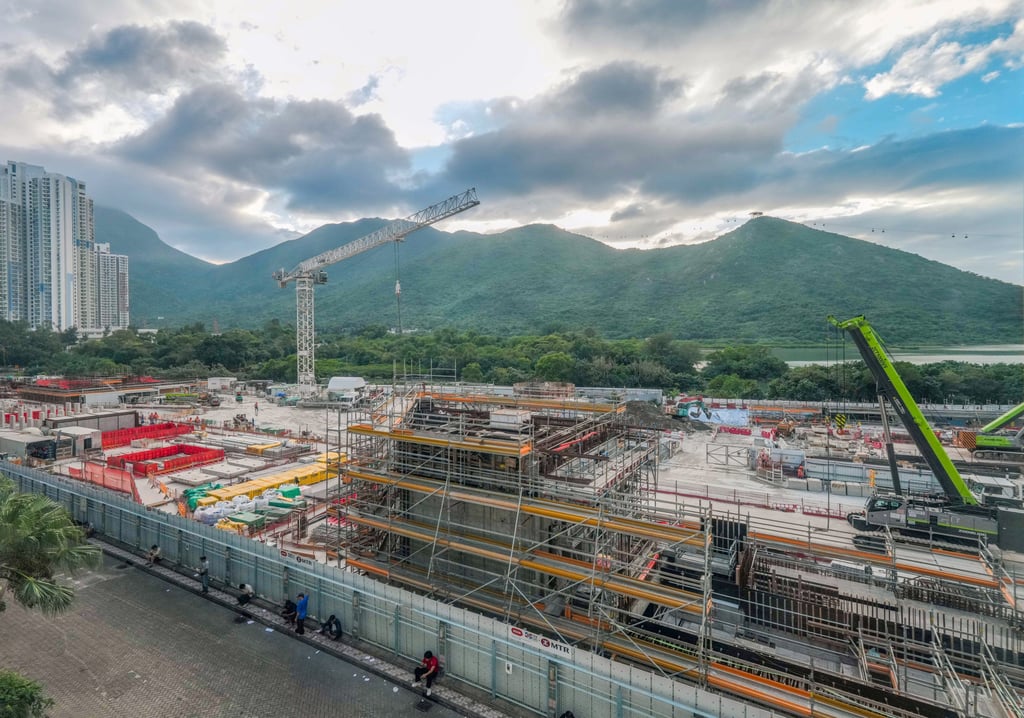
The wider project also includes Tung Chung East station between Sunny Bay and Tung Chung.
2. What’s wrong with the columns and what’s being done now?
About 30 concrete columns at the station’s platform level were found to have gaps between their tops and the floor slab above, leaving steel reinforcement exposed.
According to the Buildings Department, a member of the registered structural engineer’s supervisory team first spotted a defective column in early October and instructed the contractor to rectify it. Department officers confirmed two defective columns during an inspection on October 27 and ordered a comprehensive investigation and prompt rectification.
Further defects emerged as formwork – a temporary mould to contain and shape wet concrete until it hardens – was removed. The engineering team reported these to the department on November 3. About 30 affected columns had been identified by November 6, after all formwork was removed.
Separately, the MTR Corp said its October inspections found that a subcontractor had used patching materials at column heads without its prior approval. It suspended the works concerned and launched an investigation.
The registered structural engineer must submit an investigation report and proposed remedies to the Buildings Department by mid-November.
The Transport and Logistics Bureau said it was highly concerned about the quality issue of the project and demanded the Highways Department and the MTR Corp to investigate the incident thoroughly.
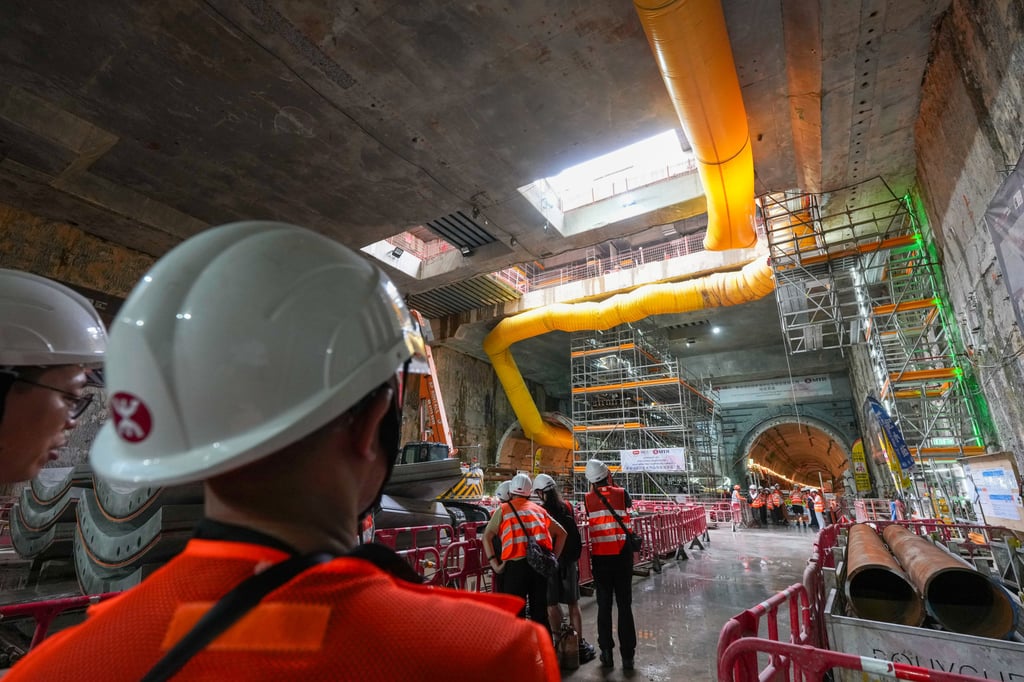
The corporation must separately submit a detailed report to the Highways Department within two weeks of notifying it on November 2.
The MTR Corp also told the main contractor, Bouygues-Dragages Joint Venture, to submit a comprehensive report and rectification plan. The suspended works can resume only after the rail giant approves the plan and other necessary approvals are obtained.
3. Why were the authorities not notified when the first defective column was found?
The Buildings Department said the first defect posed no immediate danger, meaning the registered structural engineer was not required to notify it immediately under the site supervision code.
Registered building professionals, contractors and their supervisory staff must initiate procedures to correct defects they discover and report matters posing immediate danger to the department. In this case, the structural engineer’s team initially instructed the contractor to rectify the problem.
The department said its preliminary review found no evidence of deliberate departures from accepted plans or that the responsible personnel’s follow-up actions breached the code or ordinance.
4. Who is responsible for the construction work and for checking its quality?
The MTR Corp is responsible for the extension’s design, construction, operation and maintenance under an ownership arrangement with the government. Its duties include construction management and site supervision.
The registered structural engineer and registered contractor must properly supervise work to ensure compliance with statutory requirements, accepted plans and the site supervision code.
Hong Kong Construction Industry Employees General Union chairman Chau Sze-kit said on Monday that repair proposals had to specify the methods and materials and receive the engineer’s approval before work began.
The MTR Corp has separately made its approval, alongside other necessary approvals, a condition for resuming the suspended work.
The Highways Department monitors progress, safety and quality through risk-based inspections and spot checks of key procedures. The Buildings Department also conducts site inspections.
5. Do the defects pose a safety risk, and how can they be repaired?
The Buildings Department said temporary supports beneath the floor slabs meant that the defects posed no structural danger. These supports can only be removed once the registered structural engineer’s team is satisfied with the relevant work.
The station is being built using top-down construction, with floor slabs cast before the permanent columns and structural walls beneath them are completed.
Structural engineers Edward Chan Sai-cheong and Ngai Hok-yan said gaps could be deliberately left during staged construction for subsequent filling. Ngai stressed that the actual sequence needed to be checked against the project’s design and site information.
Engineering sector lawmaker Aaron Bok Kwok-ming, however, described the shortcomings as a “low-level mistake”.
He said suitable non-shrink grout could fill the gaps, with strength no lower than the original design concrete, while Chan said the spaces would need inspection and preparation, followed by checks that the grout had filled them adequately.
6. Could the incident delay the project’s 2029 opening?
The government maintains the 2029 target.
Bok, a civil engineer, and Chan said rectification could proceed alongside other construction activities.
Chan said filling the gaps need not hold up other work, provided it was completed before additional loads associated with subsequent construction stages were applied.
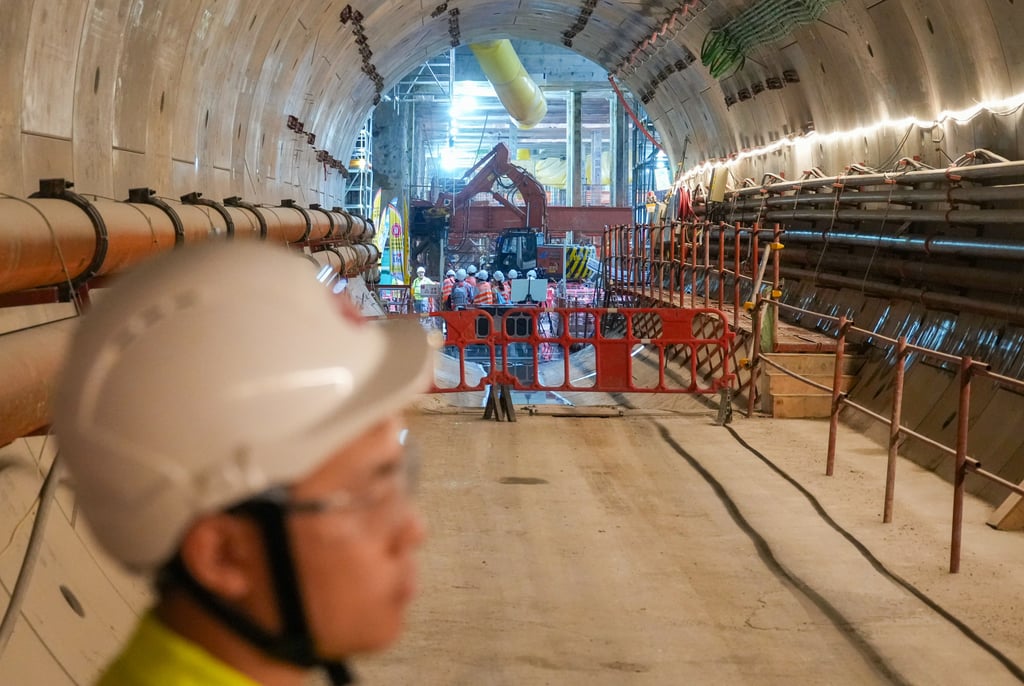
No repair timetable has been disclosed.
The Highways Department instructed the MTR Corp to ensure the contractor carried out repairs promptly and took measures to protect the overall construction.
7. What remains unanswered?
The investigation has yet to establish why the gaps arose, why repairs proceeded without the MTR Corp’s approval and whether the underlying problem involved construction methods, workmanship or supervision. Repair duration and cost also remain unclear.
Assessments differ sharply. Chan suspected a planned grouting stage had been left unfinished, while Ngai said the gaps could represent normal work awaiting completion. Verification would need to await the submission of investigation reports.
Former Kowloon-Canton Railway Corporation chairman Michael Tien Puk-sun, who is also a former lawmaker, understood the incident differently: workers had returned to rectify incomplete work without following the required procedures.
He questioned subcontractors’ competence and integrity, asking whether the incident pointed to deeper problems in Hong Kong’s construction industry.
“Is this the first, or the beginning of a long decline?” he told the SCMP.
Tien called for an industry-wide mechanism covering public and private projects to exclude firms with proven serious failings from future work.
8. What other construction-related scandals has the MTR Corp faced in the past?
The MTR Corp has faced previous controversies over construction quality and supervision. The most prominent involved shoddy work at the Hung Hom station extension on the Sha Tin-Central link.
A commission of inquiry’s final report in 2020 found poor workmanship compounded by lax supervision and serious deficiencies in the management and supervision systems of the corporation and its contractor, Leighton. The government, as overseer, also bore some responsibility.
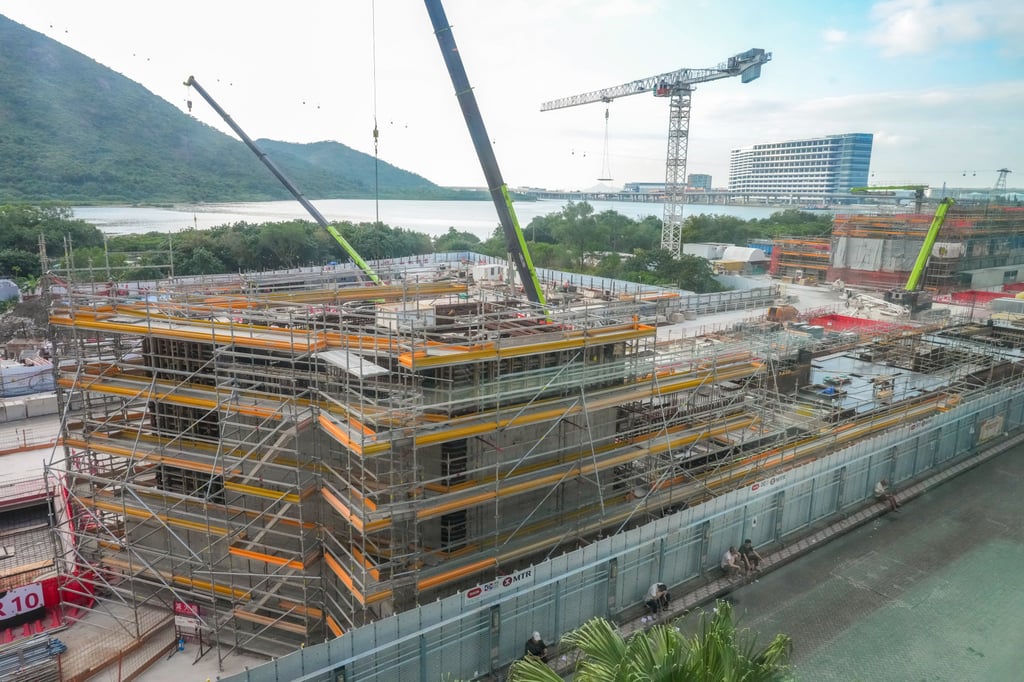
The Tung Chung line extension itself came under scrutiny last year over the authenticity of partition bricks and supporting documents supplied for Tung Chung East station.
The corporation filed a police report, and the main contractor pledged not to use the batch.
KioskNews shows a cleaned-up reading view extracted from the publisher’s page — the original always lives on their site, not ours.