In Japan, anti-foreigner fake news drives far-right gains
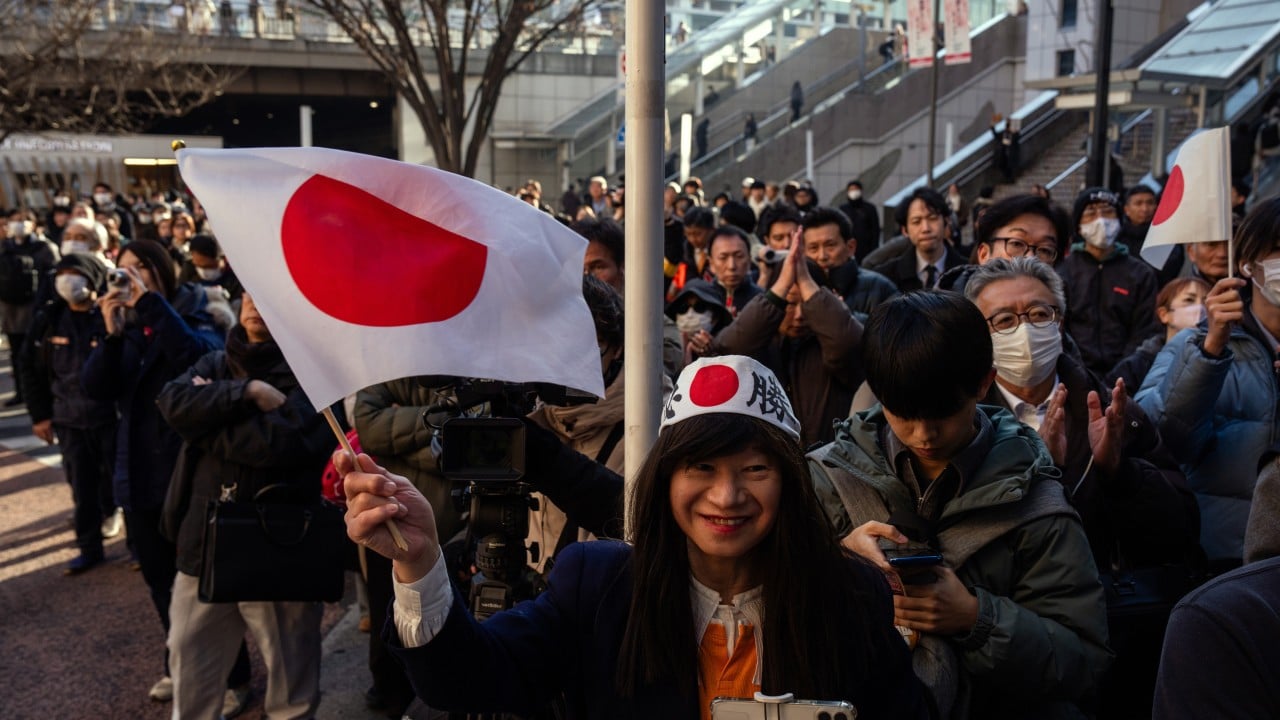
Japan risks being pulled into a spiral of online disinformation about foreign crime that is stoking xenophobia and playing into the hands of the far-right, researchers warn.
The trend is reportedly deepening divisions within Japanese society and creating a feedback loop that experts say will be difficult to break.
In August, Constella Security Japan, a Tokyo-based cybersecurity firm commissioned by the government to counter online disinformation, hosted a webinar for officials and media on fake news targeting foreign residents.
Among the cases highlighted were viral social media clips titled “metal theft by foreigners” and “stealing metal from railway tracks” claiming to show migrants cutting railway cables. The videos had racked up roughly 4.3 million views across various platforms by mid-September, Kyodo News reported.
Constella has confirmed the clips were manipulated. The original footage first appeared on social media in Arabic in August last year. In March, the Arabic text was replaced with Japanese subtitles before the clip was recirculated locally, triggering a backlash online against foreign residents.
“This sort of thing can be extremely damaging,” said Yo Nonaka, an associate professor at Keio University who studies Muslim communities in Japan.
“Rumours and fake news on social media are deliberately designed to show foreigners doing wrong, and that … makes it much harder for Japanese people to accept them into society,” she said.
Right-wing social media sites and political parties fed off each other, Nonaka said.
“Influencers who want to spread fake news for clicks are helping to move Japanese society further to the right,” she said. “Far-right parties then spread the fake news to get more voters.”
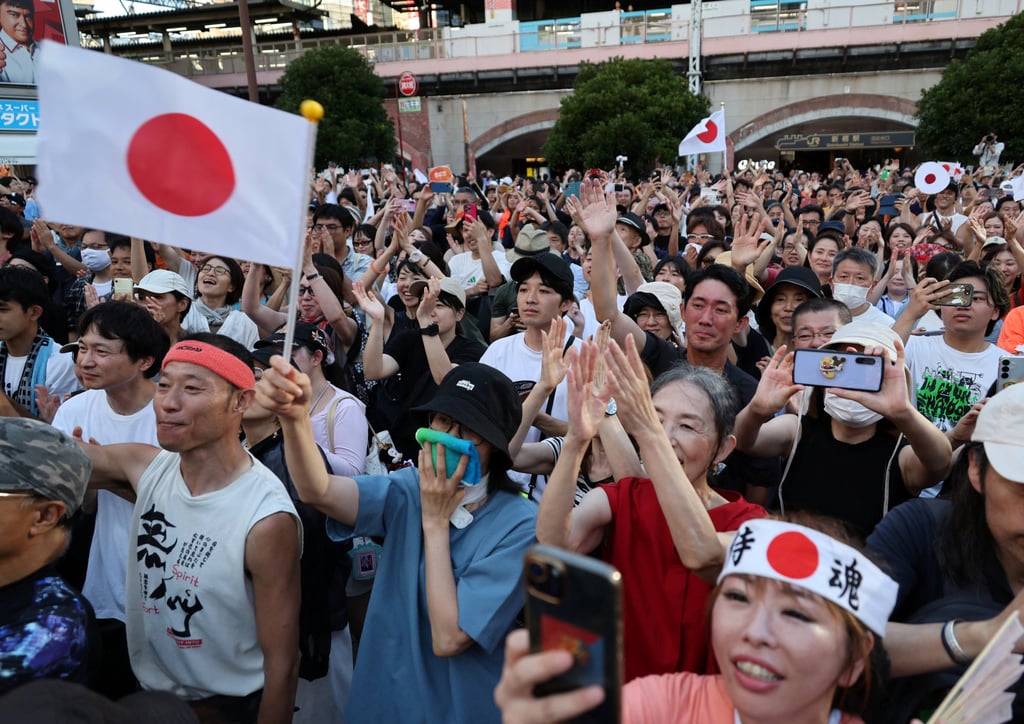
The tactic appears to be working.
In August, online commenters responded to reports of foreign nationals allegedly stealing metal taps from farmers’ fields with posts calling it “a serious crime” that was almost unheard of “before there were this many foreigners”.
“The country just lets in criminals and basically leaves them to their own devices,” wrote another. “That’s ridiculous.”
Makoto Watanabe, a professor of communications and media at Hokkaido Bunkyo University, said false reports fuelled distrust at a time of rising tensions.
“It is wrong that posts like these give a blanket negative image of all foreigners in Japan … that is then being used as a political tool by parties that campaign primarily on this issue,” he said.
“These are criticisms based on lies and I wonder why more Japanese do not realise that.”
Watanabe said the rising hostility echoed sentiments elsewhere, notably in the United States under President Donald Trump, in the rise of far-right political parties in the UK, France and Italy, and in recent electoral victories by the far-right AfD party in Germany.
“The unfortunate thing is that Japan is desperate for more workers as the population continues to fall. The yen is weakening and there are more jobs in places like Vietnam than before, so treating all foreigners like criminals is only going to convince them to find work elsewhere,” he said.
“Fake news is only going to hurt us by damaging our economy over the long term.”
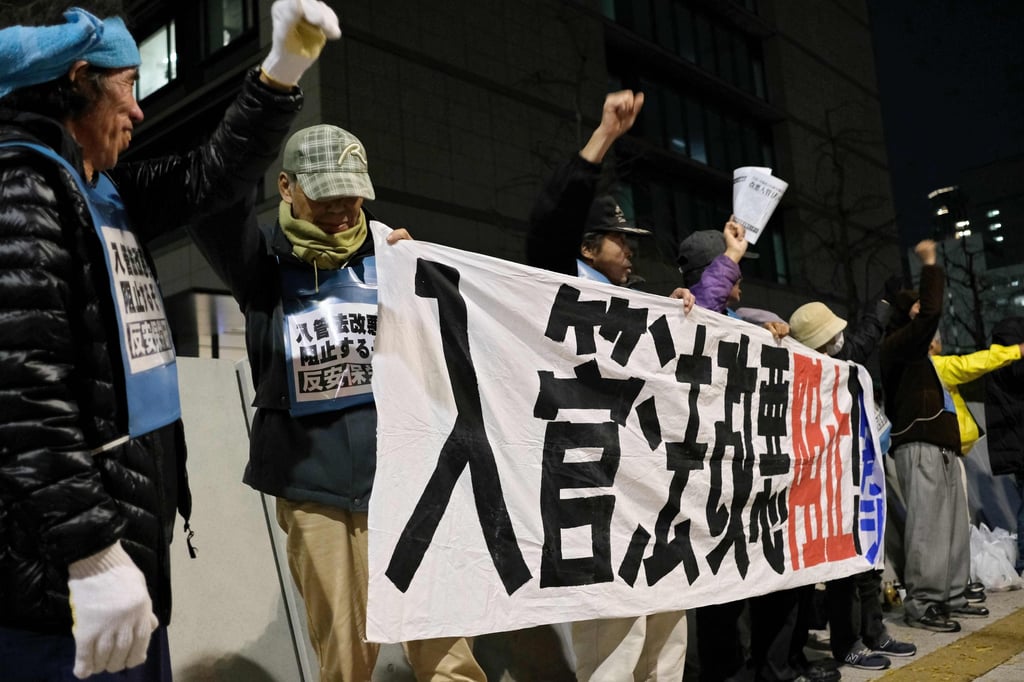
Chris Dunn, an Australian import-export business owner in Yokohama who has lived in Japan for 37 years, said that while crime by foreign nationals did occur and attracted intense media scrutiny, it needed to be put into perspective.
He said he could “completely understand” that Japanese people did not want foreigners coming to the country to commit crimes.
“But Japanese [people] break the law as well. What I hope is that a balance can be achieved that keeps both sides happy.”
Whether such a balance can be reached remains to be seen.
Official comments have only added to the hostility. In July, Kimi Onoda, minister in charge of policies on foreign nationals, claimed that one in four inmates in Japanese prisons was foreign.
However, the figure only referred to Tokyo’s Fuchu Prison, which mainly holds male foreign inmates. Nationwide, foreign nationals account for just 6.6 per cent of the prison population.
The minister’s remark nonetheless triggered a wave of online criticism.
“To put it bluntly, if we didn’t allow foreigners to enter the country, crimes committed by foreigners could not occur,” read one online comment that blamed Japan’s “lax legal system” for the issue.
“Personally, I think the total population of foreigners should be around 2 per cent – currently, it is around 3.5 per cent. I feel that’s a lot … and the goal should be almost zero.”
KioskNews shows a cleaned-up reading view extracted from the publisher’s page — the original always lives on their site, not ours.