Why Singapore’s Tuas mega port could be good news for Malaysia
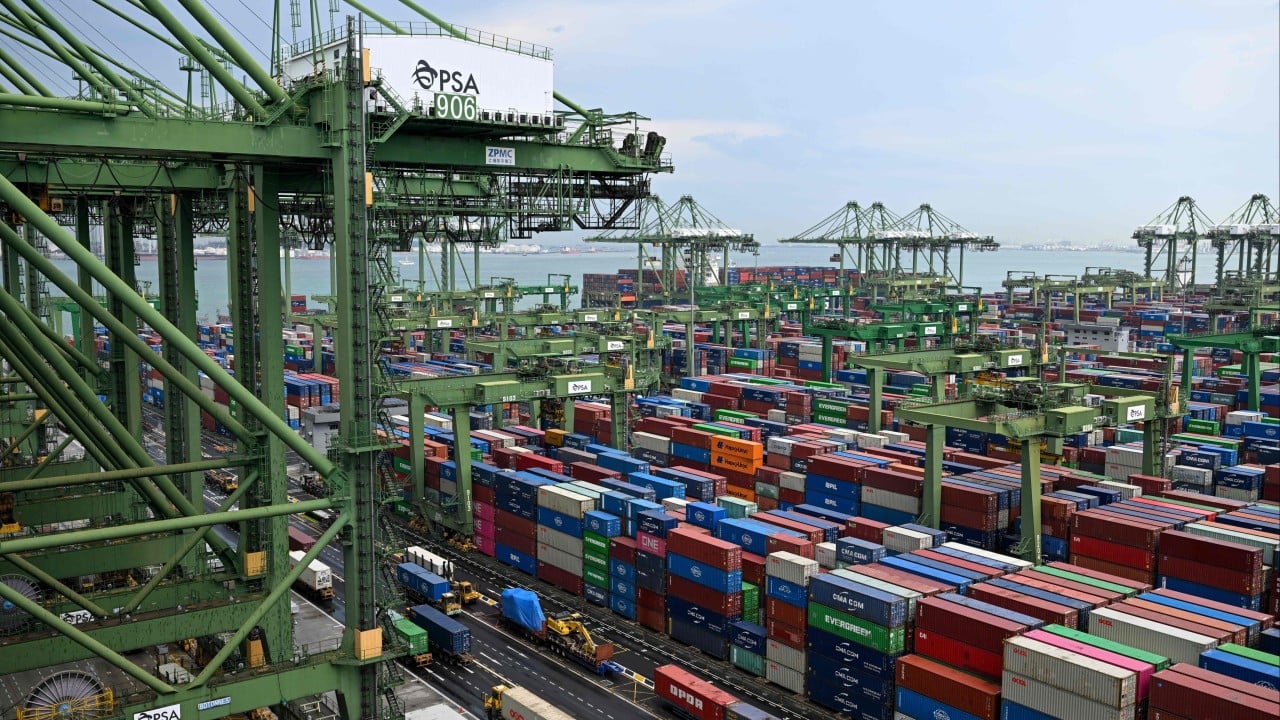
As Singapore begins work on the second phase of Tuas Port with a next-generation, fully automated deepwater container terminal, pressure is building on Malaysian ports to enhance their competitiveness, according to analysts.
But it might not be a one-winner situation since the container shipping business in the two countries would rise in tandem with growing consumer demand from the region’s middle class, they added.
On Friday, work on the largest of four extensions of the Tuas Port began on nearly 400 hectares (988 acres) of reclaimed land, with 21 mega berths projected to have a depth of 23 metres (75 feet). Operations are expected to begin progressively from 2028.
When the entire port is completed in the 2040s, Singapore’s container operations will be consolidated at a single location, making Tuas Port the world’s largest fully automated port, capable of handling 65 million twenty-foot equivalent units (TEUs) a year, according to local media reports published last week.
Container operations from the Tanjong Pagar, Keppel, and Brani ports will relocate to Tuas by 2027, followed by Pasir Panjang by the 2040s.
“It will be not only the busiest transshipment port but the biggest single-located container terminal,” said Yap Wei Yim, an associate professor at the Singapore University of Social Sciences, adding that the 65 million TEU mark was likely to increase as technology made ports more efficient.
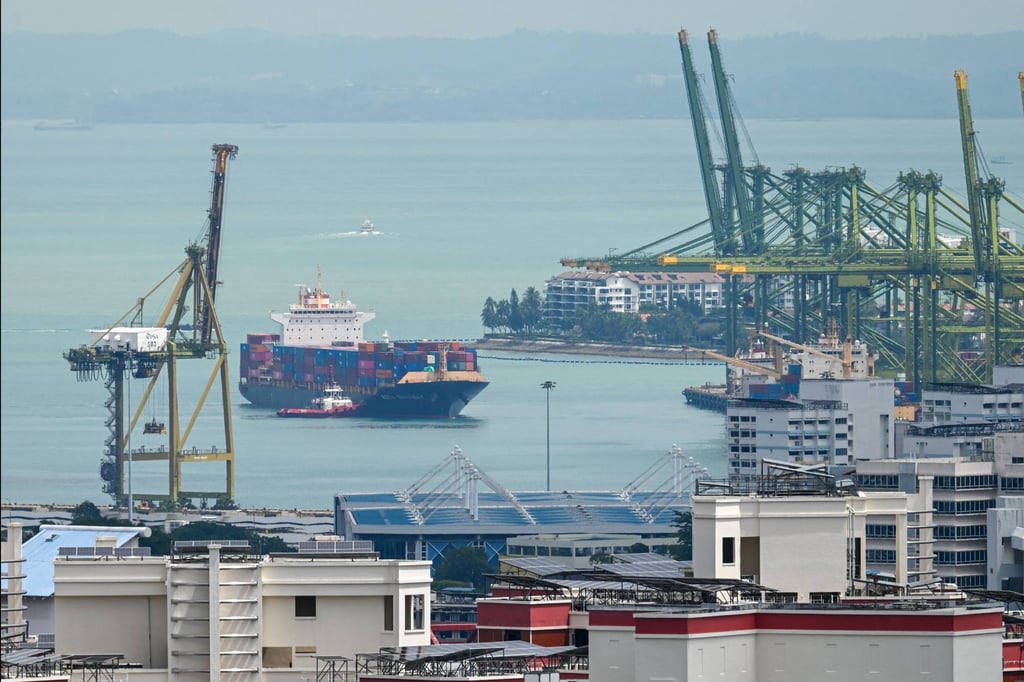
Transshipment involves transferring cargo between ships en route to its final destination.
Yap noted that the Port of Shanghai’s main infrastructure spanned two locations – Waigaoqiao and Yangshan.
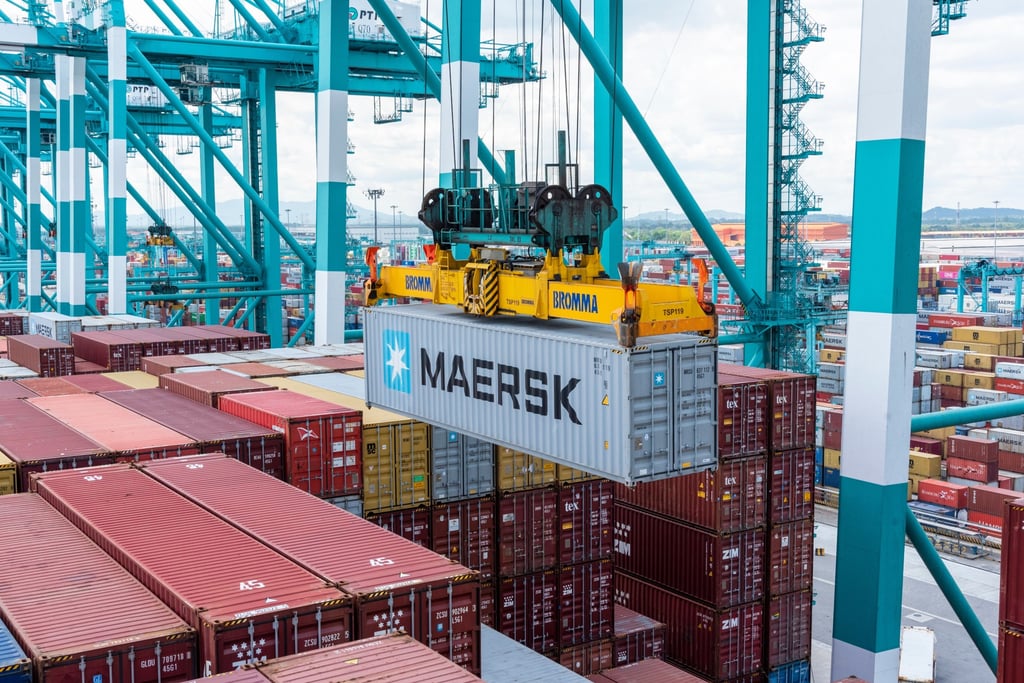
Across the border, Malaysia’s main ports, Port Klang and Port of Tanjung Pelepas (PTP), are expanding as the country targets 100 million TEUs in national port capacity annually by 2035.
PTP, which serves as a transshipment hub for Denmark-based shipping giant Maersk Line and the Gemini Cooperation – a freight partnership between Maersk and Hapag-Lloyd – is planning to expand its annual handling capacity from 14 million TEUs to 48 million TEUs a year in line with the 2035 goal.
Last year, Port Klang’s container handling rose to 15.14 million TEUs at 73 per cent utilisation.
The expansion of Port Klang’s Westports container terminal is expected to double the terminal’s handling capacity to 28 million TEUs, while its Carey Island terminal, a greenfield project targeted for development over 20 to 30 years, is expected to add up to 42 million TEUs.
This Week in Asia has reached out to Westports and PTP for comment.
“Regional rivals are already reacting. I do not believe these ports are undertaking projects to combat a rival’s initiatives – they will do them anyway,” said UK-based maritime consultant Dean Davison.
“Ports invest for the very long term, and this is a region with three very large-scale container facilities that each need to keep pace with continued demand,” he added.
Yap explained that key drivers for container shipment traffic to watch were urbanisation and Asia’s growing middle class, which would spur regional shipping demand.
“As Malaysia invests in its own infrastructure and capacity and it develops trade with China, we’ll see this volume growing. The second factor behind this growing trade is intra-Asia trade, which is the biggest container trade volume in the world,” said Yap.
For ocean shipping, intra-Asia is widely considered the largest trade lane by volume, outpacing major east-west routes like the trans-Pacific and Asia–Europe.
This means there is sufficient demand for Tuas Port, Port Klang and PTP despite tariffs and global trade fragmentation, according to maritime experts.
Yap noted the synergy between ports in Singapore and Malaysia despite competition among them.
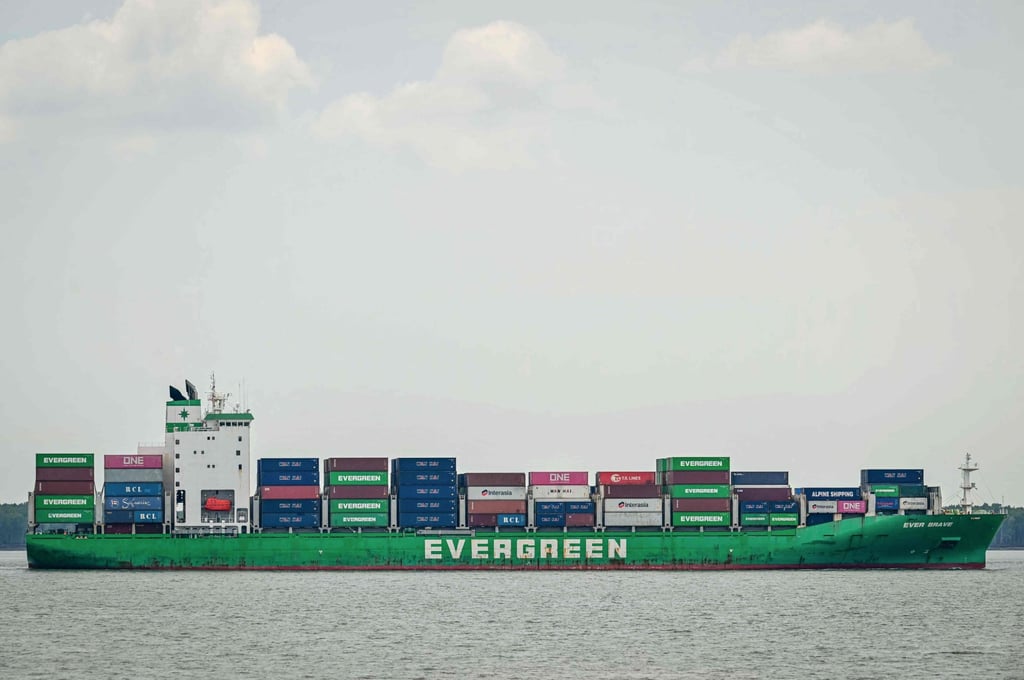
“Each port has a role to play in this network,” Yap said, explaining that Maersk ships using PTP as its primary Southeast Asian transshipment anchor also called at Singapore.
“The strategy is actually to anchor an alliance, which means you’re not only anchoring one shipping line, you’re anchoring that shipping line and its partners. One alliance easily requires probably 10 to 15 million TEUs in handling capacity,” said Yap, noting that Singapore served major alliance groups including Ocean Alliance.
Davison said future congestion at ports in China might drive up demand for Singaporean and Malaysian ports, noting the bottleneck at major ports in Shanghai and Ningbo following typhoons in September.
“The ocean carriers may then look at omitting badly affected ports, but that can simply transfer containers and vessel calls to alternative gateways and transshipment hubs. All this does is shift the pressure towards Southeast Asia,” he said.
“The cyclical nature of the container shipping and port industry will always continue, and ports have to develop facilities for more than 30 years, potentially even longer. This will far outlast short-term issues, whether economic, trade, or policymaker-driven factors.”
KioskNews shows a cleaned-up reading view extracted from the publisher’s page — the original always lives on their site, not ours.