What new school mobile phone rules mean for pupils and parents
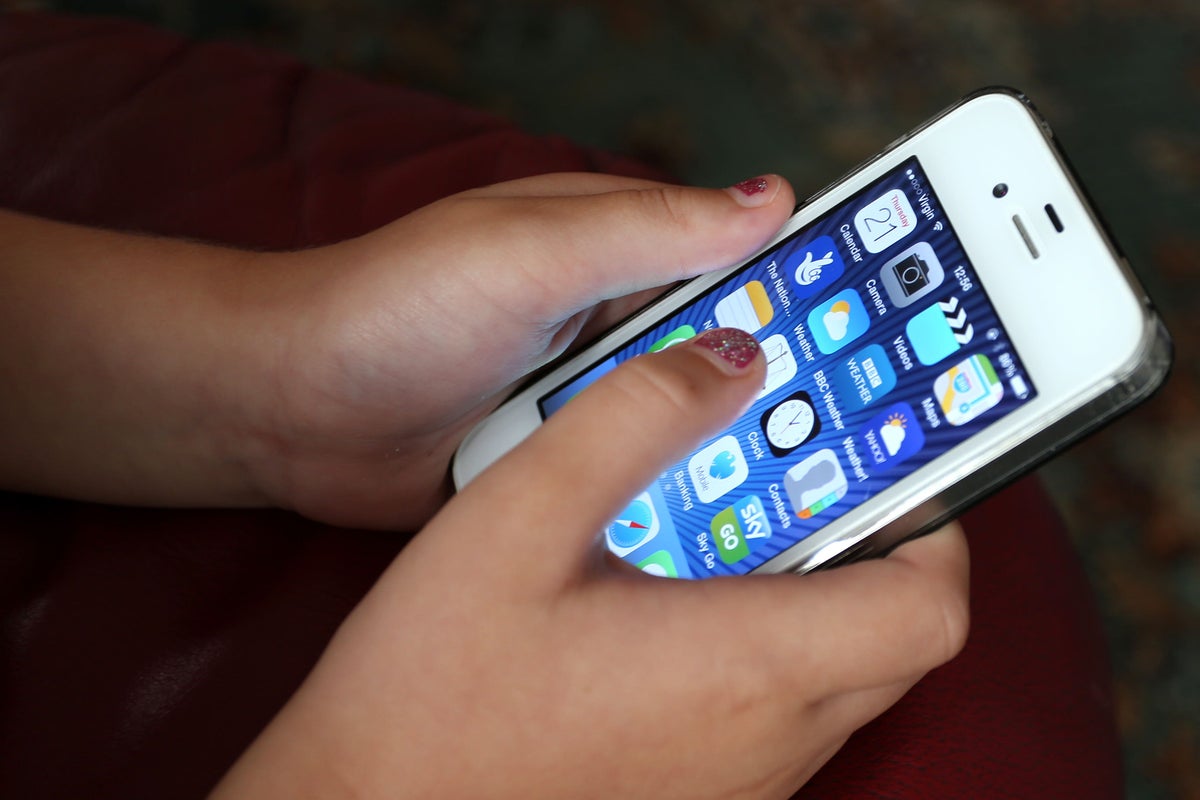
Pupils will be banned from having their phones on them during school under stricter government guidance.
Schools in England will be told to go beyond “not seen, not heard” phone policies, where devices stay in pupils’ bags during the day, to ensure children can learn away from distractions.
Statutory guidance came into force in June, which made schools and trusts legally responsible for being phone-free throughout the day.
But The Department for Education (DfE) is set to issue strengthened guidance to make sure that phones are inaccessible to pupils throughout the school day.
However, headteachers' unions have said implementing these new rules without additional government funding would be hard.

What are the current rules?
Current guidance, which came into effect in September, suggests schools should be “mobile phone-free environments by default”, but it does not explicitly set out how they should enforce the ban.
Under the current guidance some schools use lockable pouches or secure storage for pupils’ phones, while others collect them at the start of the day or prohibit their students from taking phones on site altogether.
Most schools have rules in place that say phones should be not seen and not heard, but only 16 per cent of secondary school pupils say these rules are followed all of the time, according to a DfE survey carried out in June.
The approach to phone use varies across the UK. In Scotland the government is set to introduce a new law to restrict the personal use of phones in schools and it launched a consultation over the summer.
In Wales, there are plans to introduce a statutory ban on phones in classrooms and in Northern Ireland, Education Minister Paul Givan launched a 12-week consultation in August on whether to ban mobile phones from schools by law.
How could this stricter ban work?
Schools will be able to decide how to follow the stricter rules that will come into force in England in September.
But ministers have said simply keeping a phone in a bag is not enough of a deterrent and that these phones should be locked away in a special pouch or taken away during the school day.
Some schools already have a ban on smartphones, but let their pupils have a brick phone so they can still call home.
David Smit, headmaster of Fulham Boys School, which has banned smartphones, told BBC’s Today Programme: “Research says that students are far safer without a smartphone than with a smartphone, were not saying go phone free we are saying go smartphone free.
“So our pupils still have brick phones if they want them, they are able to call and text their parents on the way to school and on the way home from school.”
However, the guidance suggests pupils shouldn’t have their phones on them at all under the new guidance and doesn’t differentiate between smartphones and brick phones.
What are the arguments against the ban?
Headteachers and unions have suggested the ban is hard to implement without extra funding from the government.
Paul Whiteman, general secretary at school leaders’ union NAHT, said: “Many schools already have restrictions on phones, but going beyond a ‘not seen, not heard’ approach comes at a cost.
“If schools are to implement some of the more robust measures suggested in this guidance, they will need access to additional funding and support.”
Pepe Di’Iasio, general secretary of the Association of School and College Leaders (ASCL), said: “Schools will need time to develop a new policy that works in their setting.
“If all schools are going to be expected to have lockable pouches or other secure storage facilities for every pupil, the cost involved will be very significant indeed.
“This is not feasible unless the Government puts in the funding required to meet these costs.”
KioskNews shows a cleaned-up reading view extracted from the publisher’s page — the original always lives on their site, not ours.