Young Chinese are choosing healthy relationships over toxic filial piety
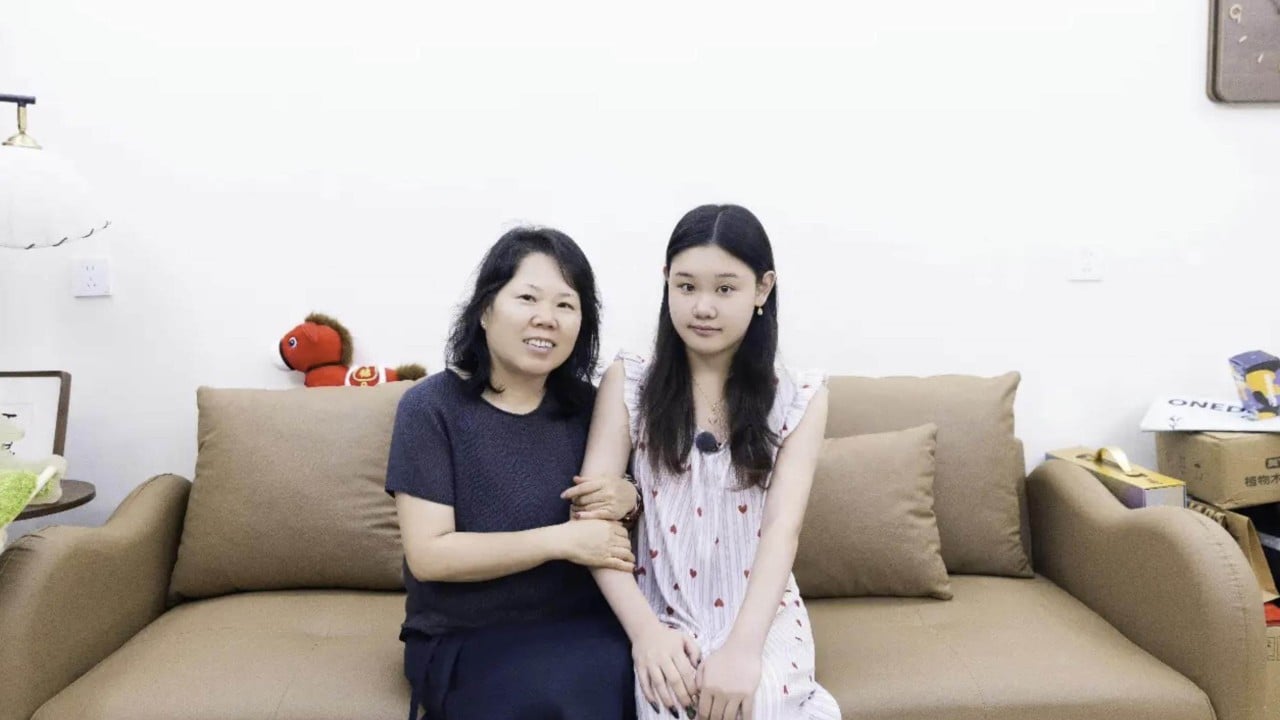
As the Chinese saying goes, “Even an upright judge finds it hard to settle family matters.” Whenever Chinese TV channels air reality shows that centre on couples or parent-child relationships, controversy is guaranteed.
Heated debates ensue over who is right and who is wrong. Viewers examine every facial expression in microscopic detail and overanalyse every word before arriving at their verdict.
Yet, that wasn’t the case with Zhang Jiaqi after the Olympic diving medallist and her mother, Xiao Yingjie, recently appeared on the reality show My Little One, produced by Hunan TV. Zhang received overwhelming support from young viewers.
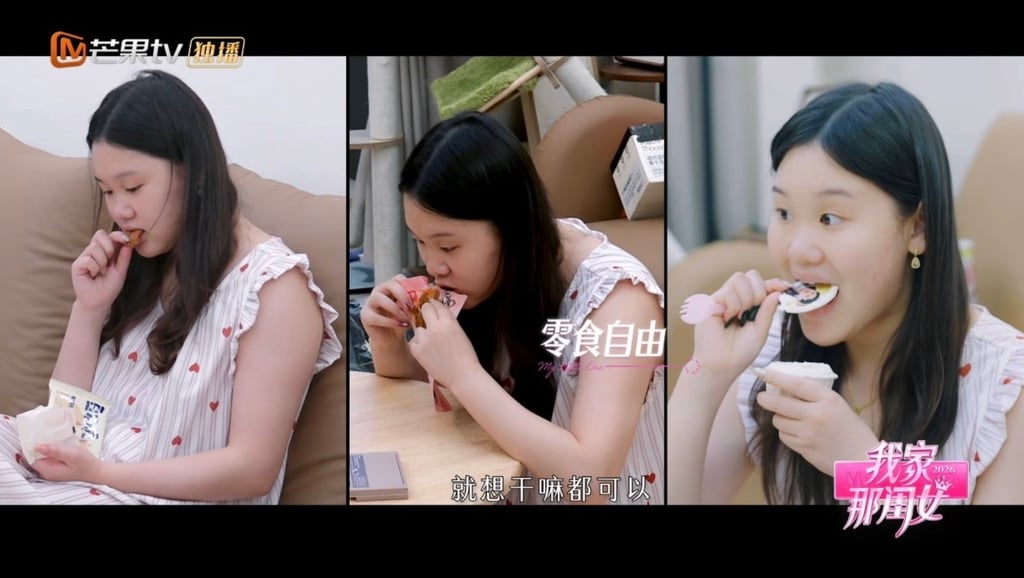
Many were particularly annoyed by the way Zhang’s mother constantly belittled her daughter and could not find a single compliment. They also took aim at Xiao’s repeated nitpicking, telling Zhang to stop eating snacks and having cold drinks. Zhang’s room was too messy; her cat too troublesome.
Zhang recounted that she won her first competition at the age of 10, taking home more than 4,000 yuan (US$600). Since then, her mother has managed her earnings, bonuses and commercial income. Zhang has three bank cards in her name, but she has never had possession of them and doesn’t know the passwords.
One constant thread in the online posts I have read concerned a letter from Xiao to Zhang. She wrote a few lines complimenting Zhang’s high achievements and said she had made her proud, but then quickly lashed out.
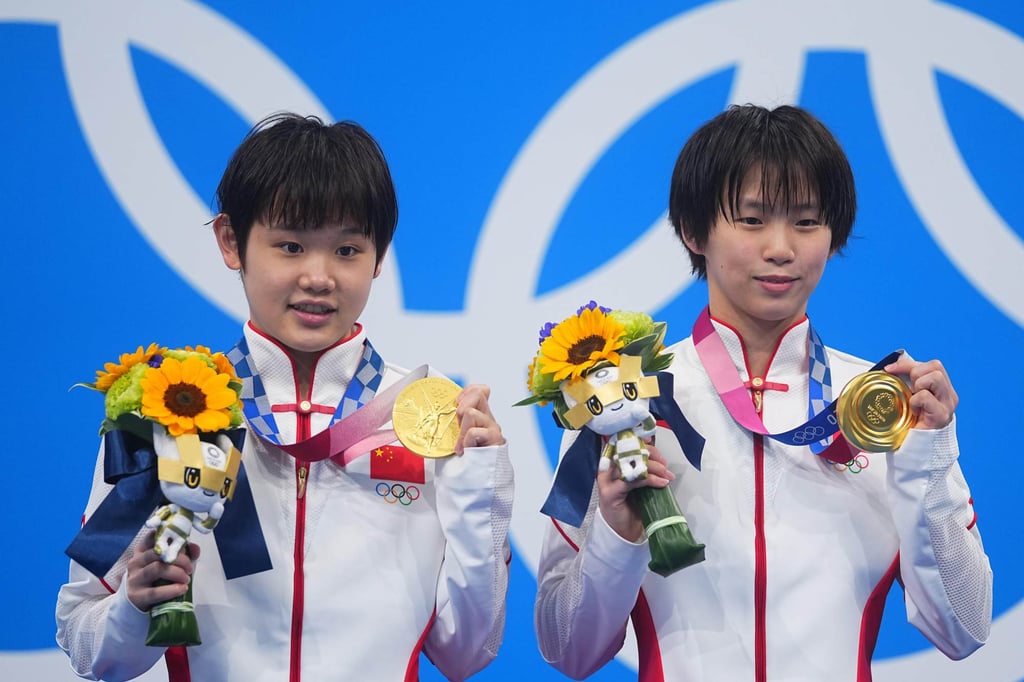
“You’ve got quite a few flaws, but I still choose to trust you and forgive you,” the letter said, adding that Zhang needed to eat fewer snacks, get slimmer and taller, and perform better.
During the show, Xiao’s behaviour didn’t seem to irritate Zhang much, and she showed little emotion. Of the letter, she simply said, “This is nonsense to me”, remaining nonchalant and not getting into an argument.
Even though viewers were analysing Xiao and Zhang’s relationship in their comments, it is clear that, for many people, it also struck a nerve in their own lives. Indeed, this reality TV case was not simply an anomaly but, rather, a manifestation of the collective trauma felt by an entire generation – East Asian children trapped in a loveless relationship with their parents.
In this region, heavily influenced by Confucian ideals, filial piety is stressed throughout a child’s life. When parents do or say something, it is more often than not for the child’s own good – or so they believe.
Many children find it difficult to say no. If they do, they face immense psychological pressure and are often labelled “ungrateful”, “unfilial” or “heartless”. This is why Zhang’s story struck such a deep chord with so many people. We have all lived it at one time or another.
It’s also clear that public opinion has made a progressive shift. I imagine things would have been very different if the show had aired 10 years ago. Back then, many more people would have supported Xiao, saying things like “Your mother raised you after all” and “There’s no perfect mother”.
Today, after years of struggles, with young people expressing the pain caused by their controlling families, people have become more reasonable and can recognise toxic relationships without being constrained by society.
A few years ago, I used to browse a channel on the cultural forum Douban called “Anti-Parents”, where people gathered to talk about how much psychological – and at times physical – harm their parents had inflicted on them. The founders wrote, “We don’t oppose for the sake of opposing. We oppose because it’s a constructive way to move further into society and become fuller versions of ourselves. This isn’t a refusal to honour our parents – we just want to live better.”
A 2024 report from Fudan University found that young people had changed their feelings towards their parents over the course of a decade. Nowadays, they view “filial piety” as feeling grateful towards their parents and being willing to give back. At the same time, they don’t want to succumb to their parents’ every wish but want to be able to express their own identity.
It’s good to see young people’s progress, from gathering on forums to rant about their parents to trying to more reasonably analyse their parent-child relationship and live better lives. When Zhang cut off her mother and moved away to another city, she was praised for being “independent” and “clear-headed”. It’s good that young people recognise such healthy behaviour rather than accepting that a toxic relationship is the norm.
KioskNews shows a cleaned-up reading view extracted from the publisher’s page — the original always lives on their site, not ours.