South Korea-US alliance losing ‘trust’ amid widening cracks in ties
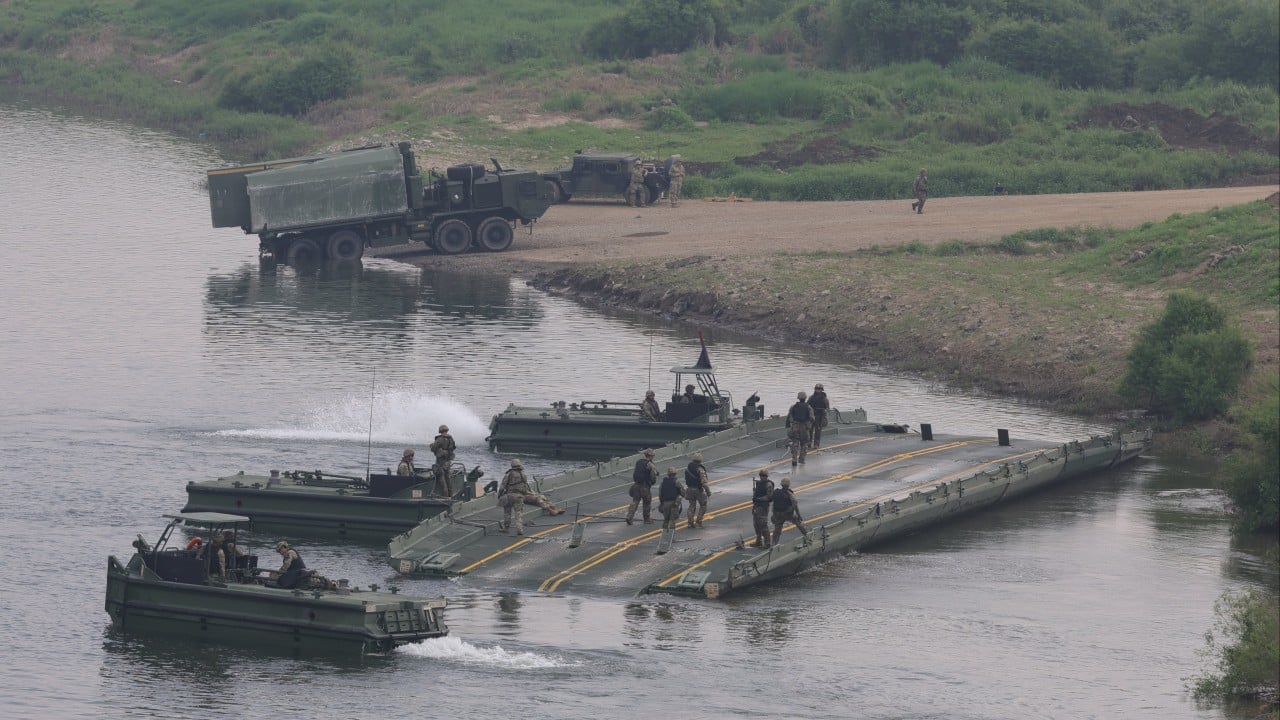
South Korea’s long-standing alliance with America is being tested by feuds spanning from investment deals to intelligence leaks, compromising Seoul’s ability to respond to North Korea.
In a rare admission, Seoul’s top envoy to the US on Monday acknowledged an “issue” with Washington’s sharing of covert data. “There are limitations in our communication with the White House,” Kang Kyung-wha told lawmakers. “I find it somewhat frustrating.”
That follows reports earlier this year that a South Korean official disclosed US intelligence about a secret North Korean nuclear facility. President Lee Jae Myung had rejected those allegations, calling them “absurd”.
Underscoring the tensions, a prominent South Korean politician was forced to cancel a US trip this month after reports his visa was held up. US President Donald Trump has also scaled back military drills with South Korea, while in June local media reported the country’s spy agency was excluded from a trilateral meeting with the United States and Japan on North Korea at Washington’s request.
Ties between Washington and Seoul have been rocky for months, marred by US accusations South Korea has slow-walked its investment deal and discriminated against American-listed e-commerce giant Coupang. Those frictions are bleeding into the security partnership, just as North Korea ramps up missile tests and Trump floats restarting talks with North Korean leader Kim Jong-un.
“The most damaging aspect of the friction over intelligence restrictions is it conveys the US does not have trust in Korea as an ally,” said Victor Cha, Korea Chair at the Centre for Strategic and International Studies. “It’s serious because it hits at the heart of the military alliance.”
While there is no sign the US will prematurely withdraw any of its 28,000 troops stationed on the Korean peninsula, reduced intelligence cooperation makes it harder for Seoul to respond to North Korea’s growing nuclear arsenal. The disagreements also add weight to Trump’s threat of new trade penalties.
An official at South Korea’s presidential office said the government is working to strengthen trust with the US and stressed the alliance is the cornerstone of Seoul’s foreign and security policy. The National Intelligence Service did not respond to calls.
A State Department spokesman said the US has been clear that it expects South Korea to uphold the standards of an alliance that, for over 70 years, has been a linchpin of security in the Indo-Pacific. “This is particularly true of intelligence and counter-intelligence matters,” the person added.
“The United States has a strong relationship with South Korea,” White House spokeswoman Anna Kelly said, adding that a meeting between Trump and Lee last month “enhanced” their relationship.
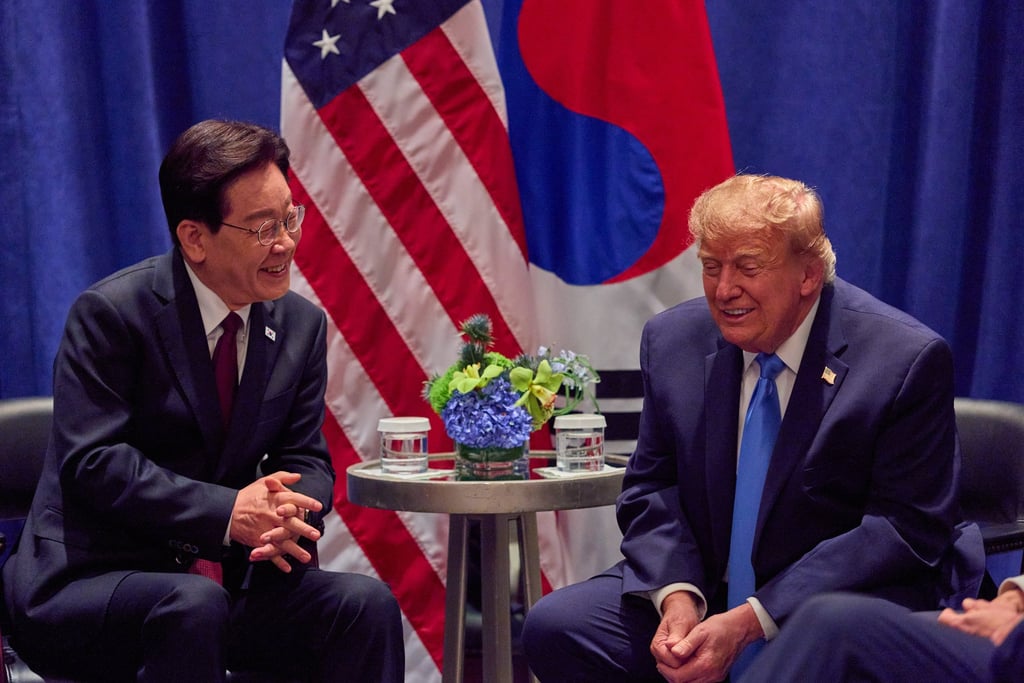
At that meeting with Trump on the sidelines of the United Nations General Assembly in New York, Lee sought help restarting dialogue with North Korea.
“President Trump kindly reminded me of our plan to play golf,” Lee said after the 30-minute sit-down. South Korea has set up a task force to prepare for a golf outing between the men ahead of the Group of 20 summit in December, Yonhap News Agency said.
South Korea is not the only US ally struggling to maintain a stable relationship with Trump – but for Seoul, the stakes are especially high. Washington provides Seoul with direct military deterrence against North Korea, a country now capable of producing as many as 20 nuclear weapons a year and which has declared the South its “principal enemy”.
Despite that reliance, Lee last month publicly questioned Washington’s characterisation of Seoul’s participation in a liquefied natural gas project in Alaska, saying cooperation was contingent on the deal being financially viable.
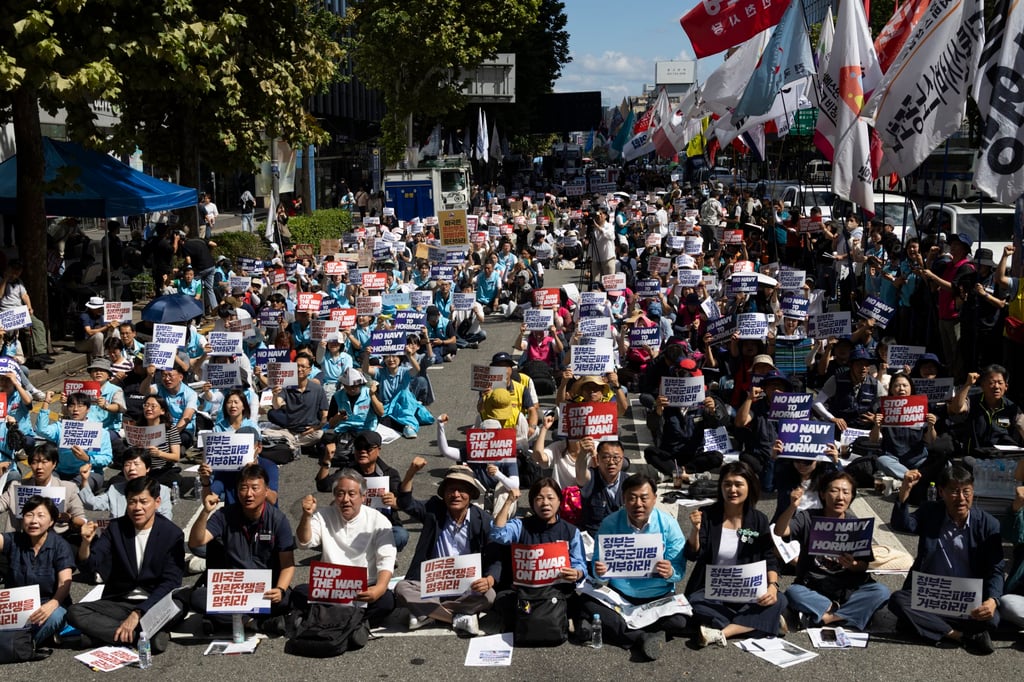
That combined with Trump’s complaints South Korea has not done more to help with Iran and unrealised US promises to assist Seoul with nuclear-powered submarines has soured ties.
South Korea’s problems are “more pronounced in scope and severity” than those of other allies, said Jenny Town, a senior fellow at the Stimson Centre. The issues “paint a picture of an alliance that’s highly strained and losing trust”, she added.
In Trump’s first term, the US leader also demanded Seoul pay more for stationing American forces on the peninsula and scaled back drills as he courted North Korea’s Kim.
Back then, however, South Korea’s national security adviser and the intelligence chief were key to arranging meetings between Trump and North Korea’s leader, said Kim Jung, a professor at the University of North Korean Studies in Seoul. “This government’s ability to manage the situation is now being put to the test,” he added.
01:34
Seoul says border DMZ blast that seriously wounded 2 of its soldiers caused by North Korean mines
Lee has, at times, struck a defiant tone. He told his cabinet this week that as a sovereign nation, South Korea should “avoid a submissive or overly deferential approach in relations with other countries”.
That speaks to the South Korean leader’s style of “pragmatic diplomacy”, which has seen him warm ties with China while trying to keep the US close. His spy chief and unification minister are both seen as part of a faction that wants better relations with Beijing, which some analysts say has gone down badly among China hawks in Washington.
“Domestic political pressures are intensifying the latest US-South Korea dispute,” said Bloomberg Economics’ Adam Farrar. “Trump is pushing the Alaska LNG project as he looks to bolster Republicans ahead of the midterms, while Lee has incentives to push back forcefully as he faces weak approval ratings.”
Speaking in Seoul on Wednesday, former US vice-president Kamala Harris criticised Trump for undermining the strength of the alliance, referring to his decision to cut drills with South Korea and use tariffs to threaten partner nations.
Changing circumstances “require a renewal of our commitment to South Korea”, she said. “America must be strategic in the use of our economic power, not reckless or spiteful.”
KioskNews shows a cleaned-up reading view extracted from the publisher’s page — the original always lives on their site, not ours.