Counterfeit beauty products found to contain deadly chemicals
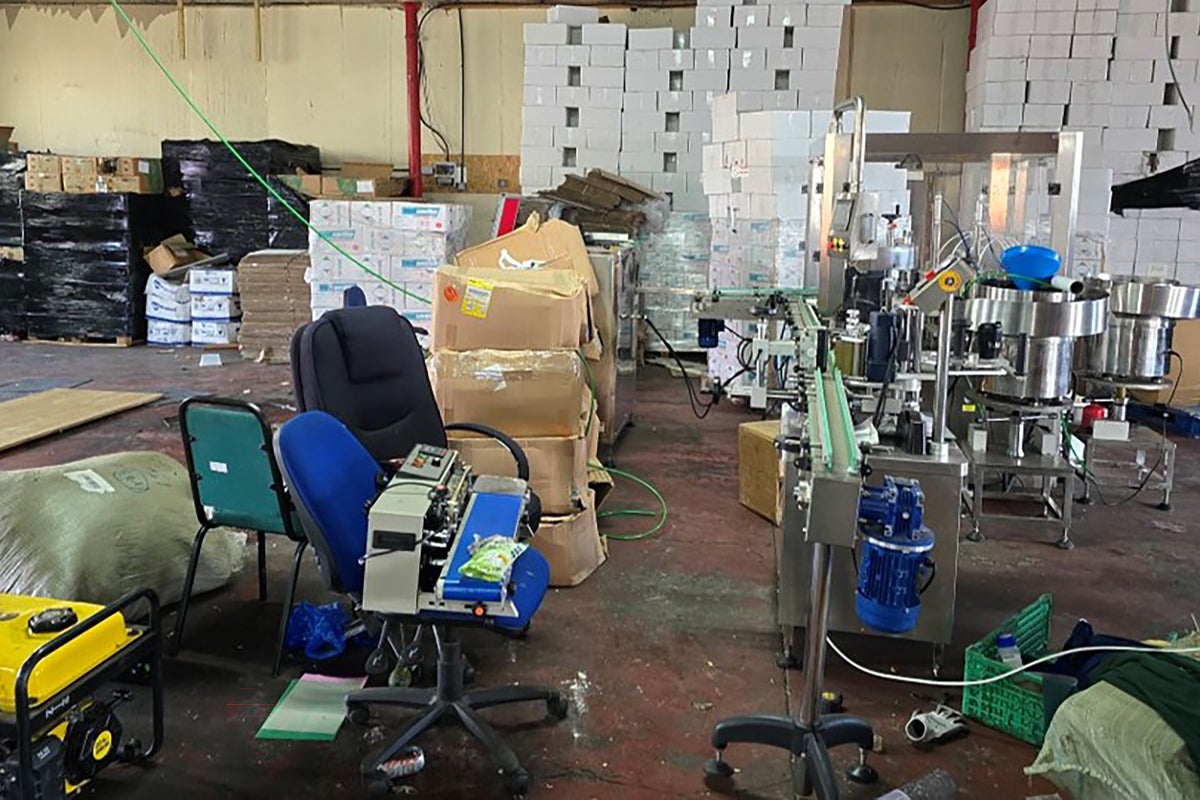
Counterfeit beauty products have been found to contain a plethora of deadly chemicals following testing conducted by Trading Standards of goods seized.
Perfumes, skincare and cosmetics have become among Trading Standards’ most commonly seized counterfeits, with almost half of all goods found to contain harmful substances.
One skincare product was found to contain 13,200 parts per million of mercury, significant levels of lead in lipstick, eyeshadow and face products.
Nicotine products were found in perfume and fake fragrances as well, which were comprised of around 80% methanol.
According to the latest Intellectual Property Office (IPO) Counterfeit Goods Tracker, an estimated 20% of 18-24-year-olds who bought beauty products in 2025 bought them knowingly, a huge increase from 6% in 2023.
The Police Intellectual Property Crime Unit and Greater Manchester Police seized 1,666 counterfeit hair products in July from a warehouse in Manchester, including hair extensions, shampoo and conditioners.
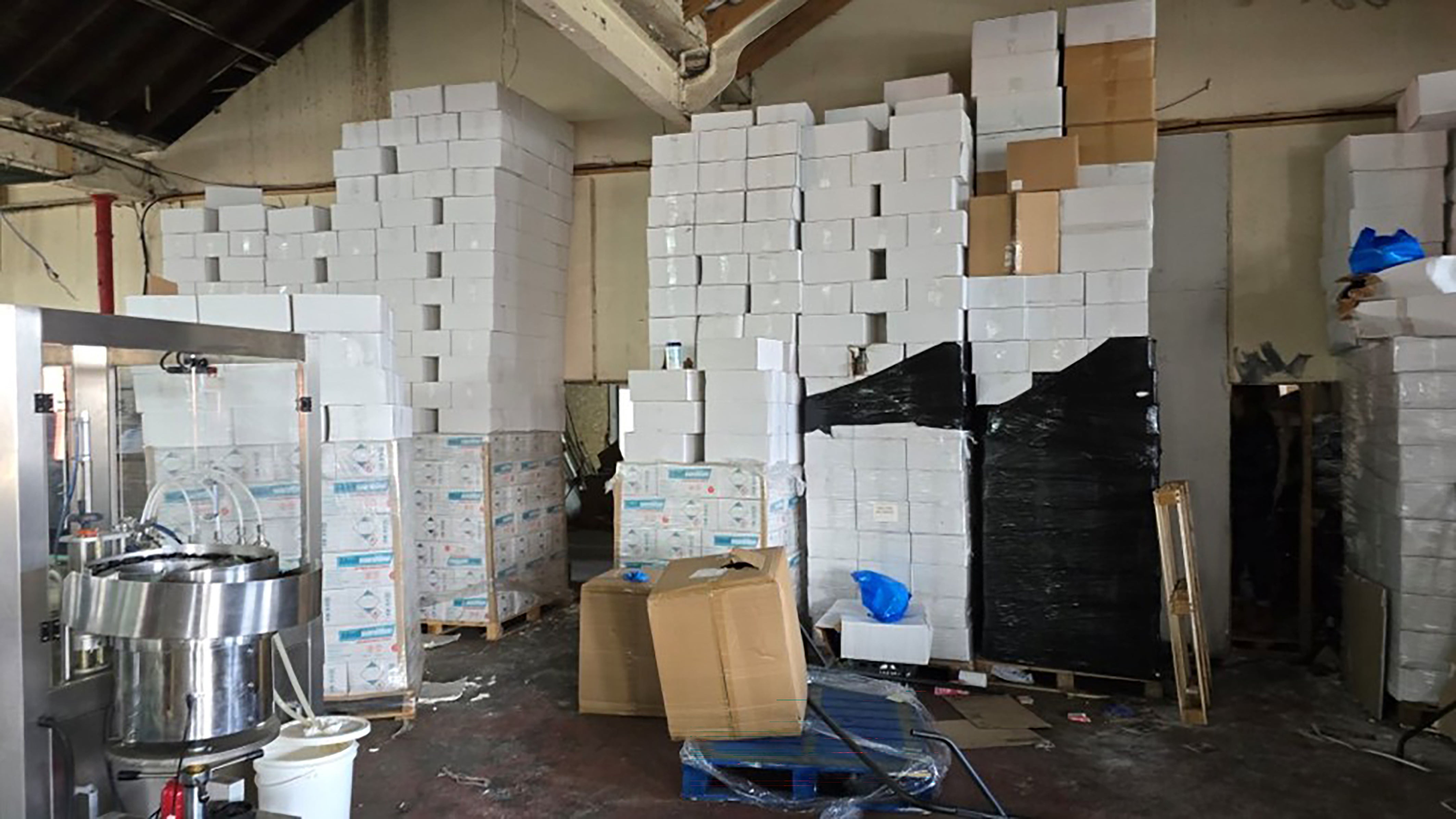
It followed a raid in Bolton, in which Trading Standards officers seized £2 million worth of counterfeit goods, including perfume, cosmetics, clothing and vapes at a production facility in a commercial property.
The IPO’s Face the Fakes campaign is working with content creators and the beauty industry to raise awareness of the potential harms of counterfeit beauty products.
Independent toxicologist Rani Ghosh said: “When you hear that mercury has been found in face cream, lead in make-up or nicotine in perfume, it raises serious questions about what is going into these products and how they are being made.
“Some reactions to unsafe cosmetics may be visible, such as irritation, swelling or changes to the skin. But what concerns me as a toxicologist is what you might not see. Substances such as mercury and lead can affect the body internally, and those effects may not be immediately obvious.
“Counterfeit beauty products can look incredibly convincing. You cannot tell from the packaging what chemicals are inside, how the product has been made, or what risk it might pose. That is why knowing where your beauty products come from matters.”
Helen Barnham, head of enforcement engagement at the IPO, said: “These findings show why counterfeit beauty products can pose such serious risks to consumers.
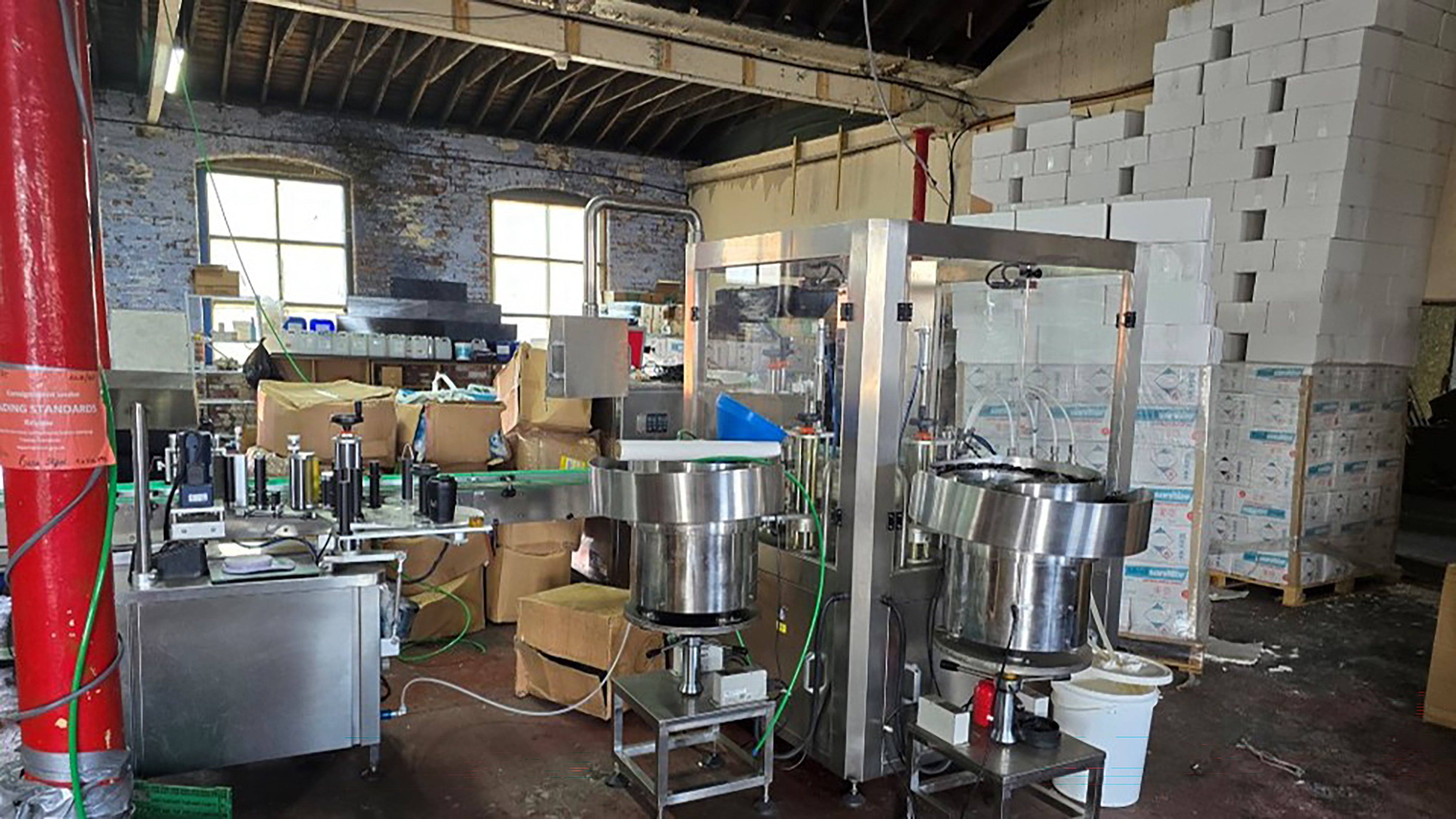
“Products can look remarkably convincing, but behind the packaging they can contain dangerous substances that have no place in the cosmetics people use every day, and can be made in appalling, unhygienic conditions.
“Counterfeiters exploit the names and reputations of brands that consumers know and trust, while bypassing the rigorous safety standards that legitimate businesses work hard to meet.
“With our latest research showing a sharp rise in counterfeit beauty buying among young adults, we want to make sure people understand the potential risks and know how to protect themselves. Our Face the Fakes campaign is giving consumers practical advice to shop more safely, including checking who is actually selling a product and choosing trusted sources.”
Dr Emma Meredith, director-general of the Cosmetic, Toiletry and Perfumery Association (CTPA), said: “There is a rigorous safety framework behind every legitimate cosmetic product sold in the UK.
“Ingredients are carefully controlled, products have to be made in clean and hygienic conditions, and they must undergo a safety assessment. Companies have clear legal responsibilities for the products they place on the market.
“A huge amount of work happens behind the scenes to make sure people can use their cosmetics with confidence. Counterfeit products can bypass those safeguards, which is why knowing who you are buying from and choosing trusted sources really matters.”
KioskNews shows a cleaned-up reading view extracted from the publisher’s page — the original always lives on their site, not ours.