Dark past of Japan’s Unit 731 buried under airport expansion
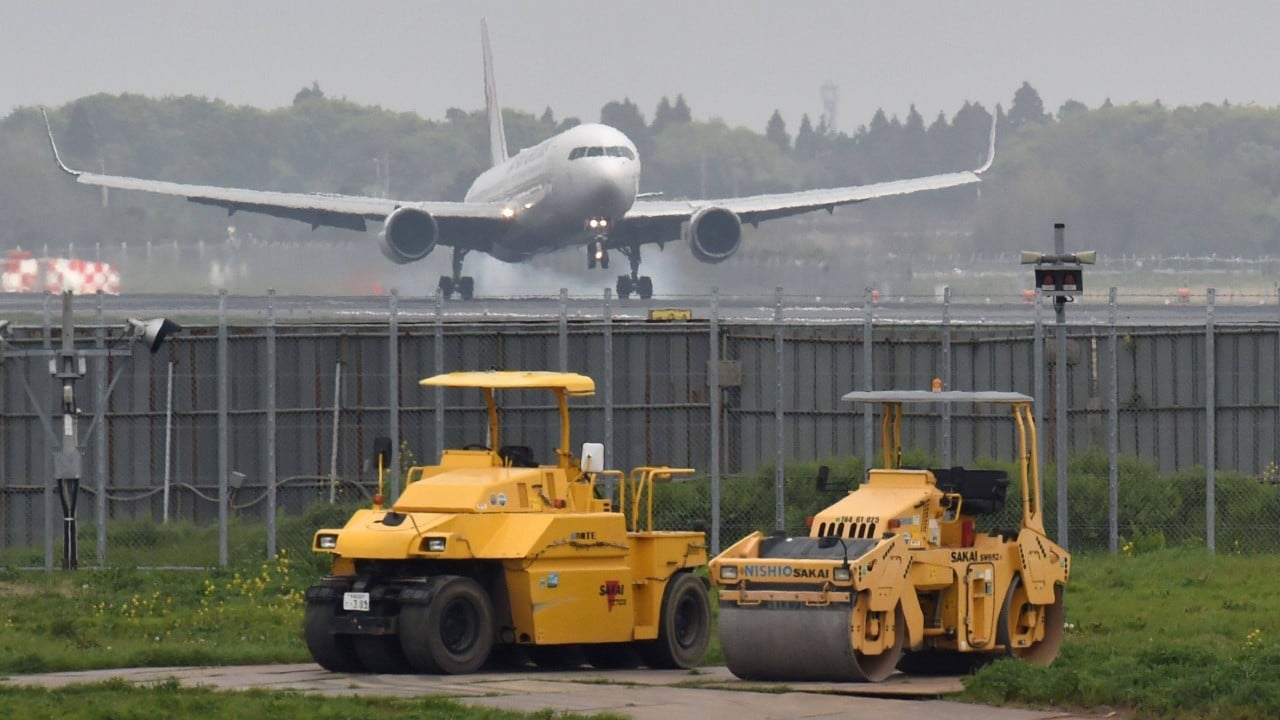
A village that sent hundreds of men to one of imperial Japan’s most notorious wartime units is being demolished to make way for a runway at Tokyo’s Narita International Airport.
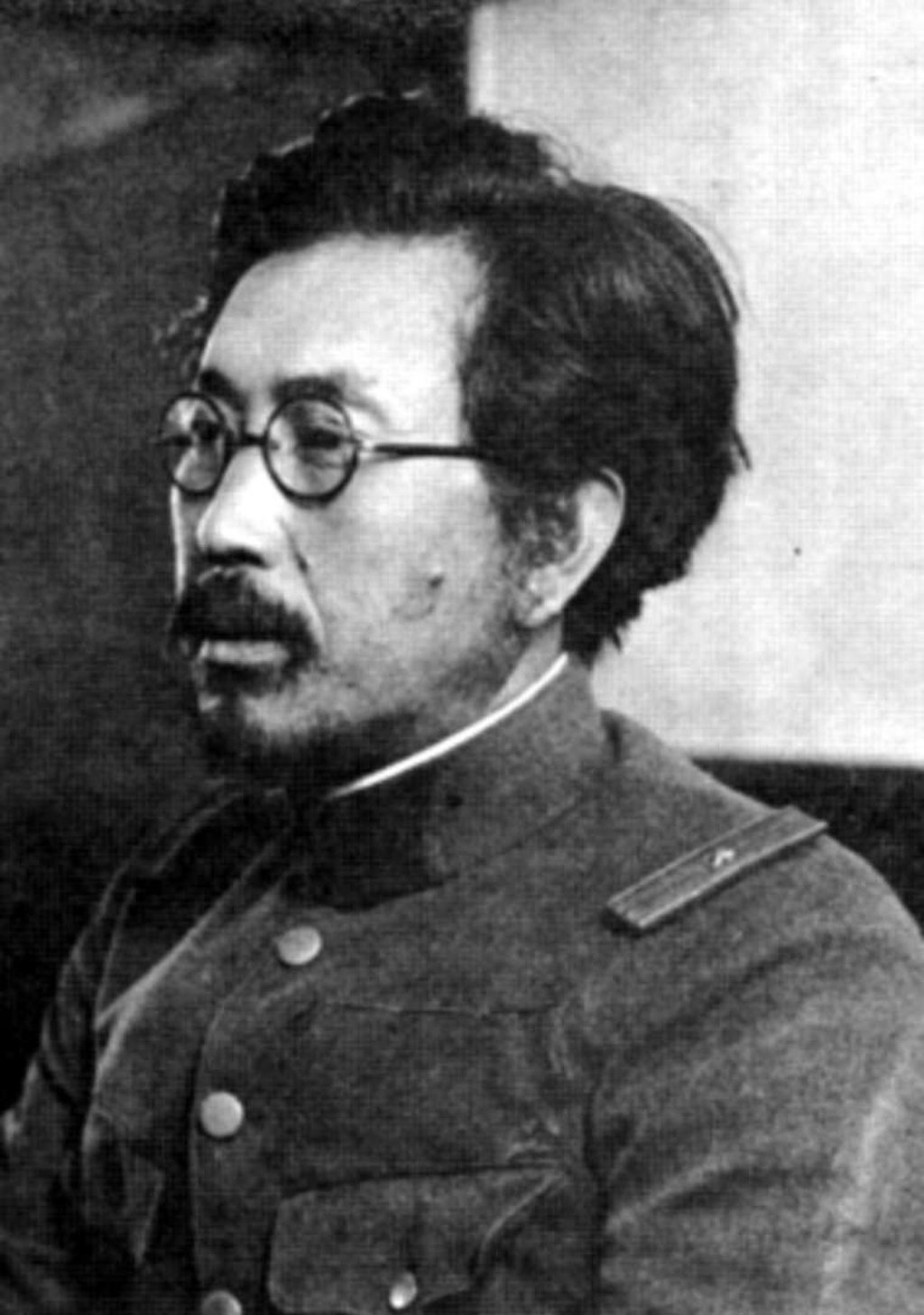
Unit 731 carried out lethal experiments on captives, many of them Chinese, to develop biological weapons during the second world war. Around 300 of its roughly 3,000 personnel came from Kamo, a neighbourhood in Shibayama town, Chiba prefecture, east of the capital. Its founder and commander, Lieutenant General Shiro Ishii, grew up there.
Demolition began in August, about 5km (three miles) from the southern perimeter fence of Narita’s main runway. Ishii’s family home is among the buildings that have already been flattened.
Around 651 hectares (1,606 acres) of the neighbourhood were compulsorily purchased for the airport expansion, town officials confirmed, with some residents moving elsewhere in Shibayama and others leaving altogether.
Among them was at least one man whose father served under Ishii, the Asahi newspaper reported on Tuesday.
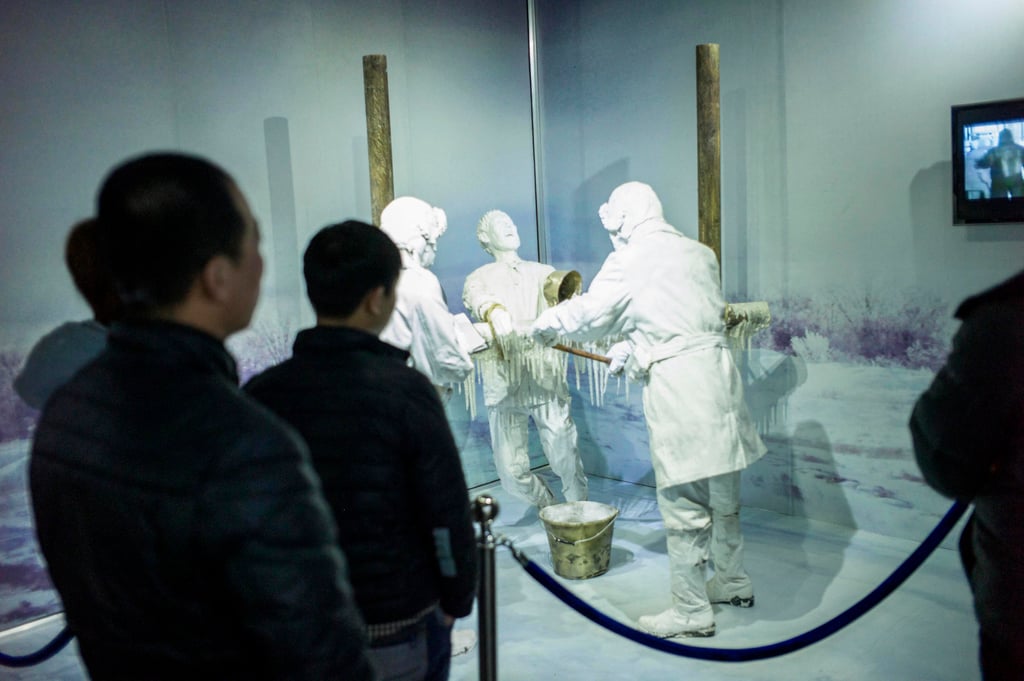
Unit 731 was supposedly tasked with “epidemic prevention and water supply”, suggesting a sanitation service for troops, but its true purpose was much darker.
From its base in Pingfang on the outskirts of Harbin, in occupied northeast China, the unit researched, developed and tested biological and chemical weapons by conducting gruesome human experiments on prisoners and civilians without their consent.
Historians estimate that as many as 3,000 died at its Harbin headquarters. Thousands more lost their lives in experiments at other sites across Asia and tens of thousands, mostly civilians, were killed by the unit’s weapons.
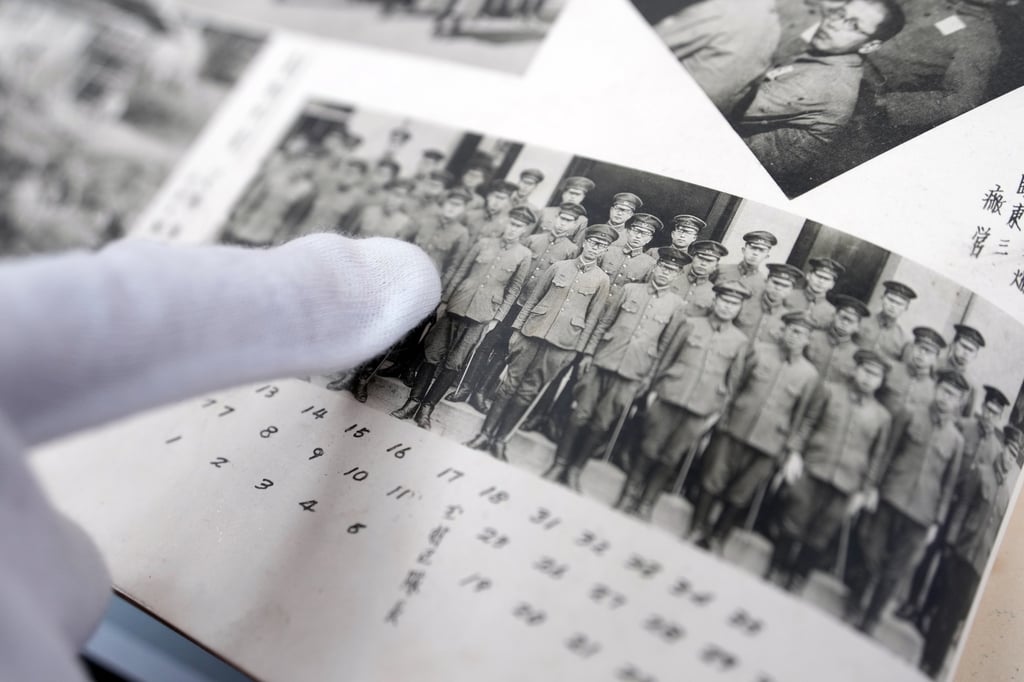
Ishii recruited heavily from Kamo, apparently in the belief that men from his own community would stay loyal to him. Historians say he was correct.
“No other single region in Japan produced such a concentrated and large number of unit members,” said Masataka Mori, a former history professor at Shizuoka University who spent many years studying the unit. “Ishii sometimes referred to Unit 731 as the ‘Kamo Unit’, after his hometown.”
Almost everyone in Shibayama knew Ishii was in command, but only unit members were aware of what the work truly involved. “The unit’s true nature was kept strictly confidential because it was engaged in human experimentation and biological warfare, acts that violated international law,” Mori said.
As Japan’s defeat drew near, Ishii and nearly all of his senior officers tried to destroy the evidence and fled back home. Ishii gave members three orders, according to Mori: never reveal you served in the unit, do not run for public office and take what happened to your grave.
Many returned to Kamo and were “placed under surveillance” to ensure they complied, he said.
Immunity and silence
American occupation forces took Ishii into custody soon after their arrival in 1945 – but went on to offer him and his senior colleagues immunity from prosecution in return for their research data, which US scientists could not have gathered legally.
The unit was consequently barely mentioned at the Tokyo War Crimes Trials, the Allied tribunal that tried Japan’s wartime leaders over a two-year period, and few of its members ever faced justice.
As a result, the public abroad and in Japan remained largely ignorant of its horrific work until 1981, when the writer Seiichi Morimura published The Devil’s Gluttony, a two-volume account of the unit’s crimes.
In Kamo, as in other small pre-war communities, many residents shared a surname and were distantly related. Among them was Shinichiro Ishii, who served in the unit. His son Junichiro told the Asahi that his father “didn’t like to talk about” his wartime experiences in occupied China.
After Morimura’s book appeared, Shinichiro reportedly shut himself in his bedroom and refused to speak with journalists, angry that other veterans had talked. Junichiro’s mother, who had lived in China with her husband, described good pay, homes with flush toilets – a luxury at the time – as well as help from Ishii in evacuating the family to Japan near the war’s end. Her husband often had nightmares, she said.
“It’s not a story I particularly want to tell, and I don’t know the whole truth myself,” Junichiro told the Asahi. He declined an interview with This Week in Asia.
A Shibayama town official confirmed there were “several historical sites” in the airport expansion area, but said there was no complete list. The town wanted to promote the project, which it expected to bring business opportunities and jobs, the official added.
Tokyo has been equally cagey about Unit 731. In a written statement to Japan’s parliament in 2003, then prime minister Junichiro Koizumi acknowledged the unit’s existence but said “no evidence” had been found that it conducted biological warfare.
The government confirmed the unit had a base at Pingfang, but said the documents describing its work there were “essentially private records”, whose contents it could not objectively verify. It said none were held in government archives and that, given the passage of time, further investigation would be “extremely difficult”.
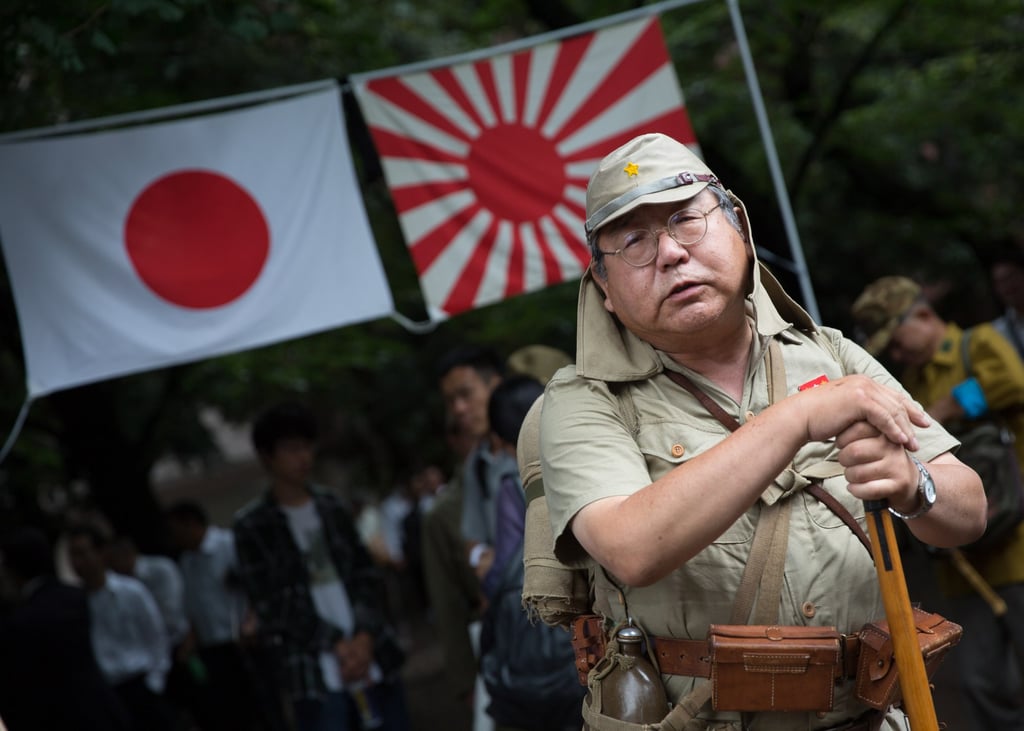
Keiko Suenaga, a history professor at Fukushima Medical University who has researched the unit, said many Japanese might “have vaguely heard of Lieutenant General Ishii” but the school curriculum did not sufficiently teach about his actions.
She said the internet was “awash with historical revisionist information” and conspiracy theories denying the unit’s crimes, including claims that it never existed or that it was “literally a unit for disease prevention and water supply”.
Such rewriting of history left people without accurate knowledge of their past, Suenaga said, with successive Japanese governments facing dwindling amounts of scrutiny as public awareness had waned.
Washington’s decision to grant immunity had also allowed many of those responsible to escape prosecution, she said, making it harder for Japan to criticise American wartime air raids or the atomic bombings.
“As a result, it can be said that those responsible for war crimes within the ruling elites of both Japan and the US entered into a ‘win-win’ relationship with one another,” Suenaga said.
Today, the site of the Ishii family home is taped off, with signs warning that construction work will begin soon. The men who came home to Kamo after the war are now largely forgotten and their community will soon lie under a thick layer of runway asphalt.
KioskNews shows a cleaned-up reading view extracted from the publisher’s page — the original always lives on their site, not ours.