How a US$110 million fishing harbour in Tanzania serves China’s food and security goals
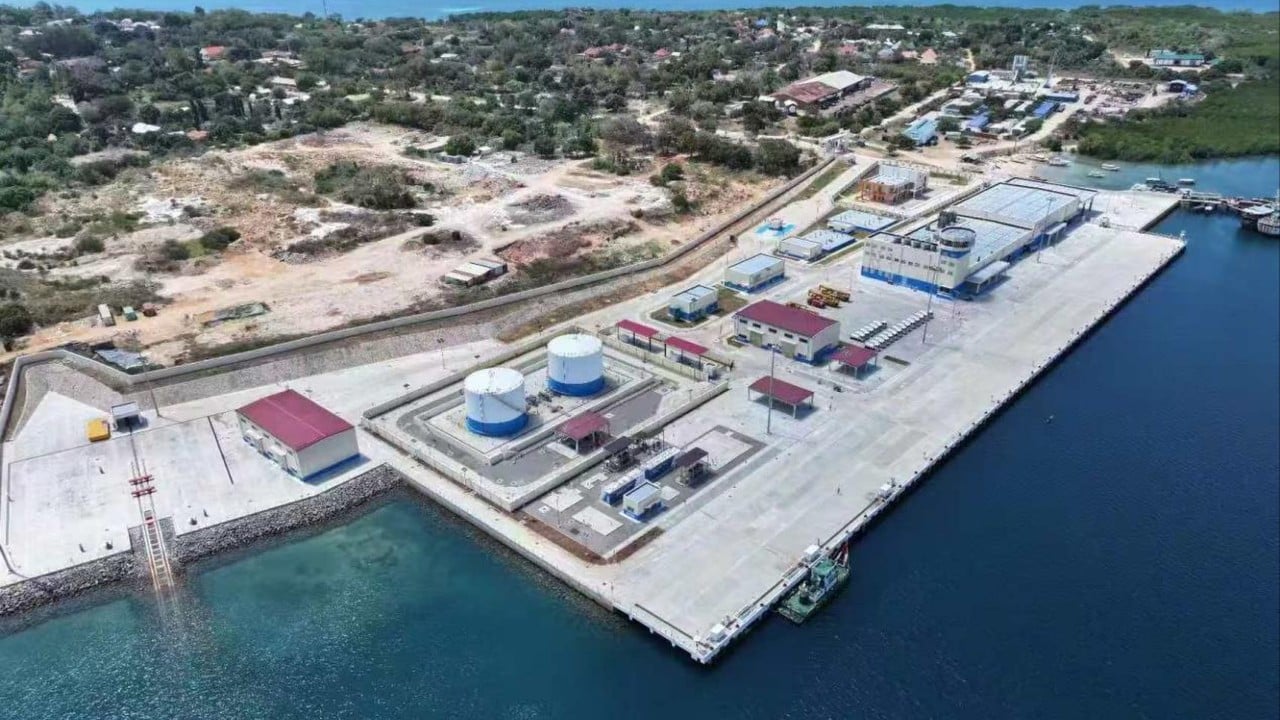
About 300km (186 miles) south of Dar es Salaam and near the ruins of Kilwa Kisiwani, the fishing town of Kilwa Masoko has a new port designed to accommodate fishing vessels far larger than the boats that have long worked this stretch of Tanzania’s coast.
The fishing port had passed its completion inspection, China’s ambassador to Tanzania Chen Mingjian said last week, while hailing it Tanzania’s first large-scale modern fishing harbour.
Designed to land 60,000 tonnes of fish a year, it aims to boost Tanzanian fish markets, cut spoilage and create jobs – Tanzania’s labour minister Deus Sangu expects about 30,000 direct and indirect jobs.
16:09
How China is reshaping its economic ties with Africa
Some of the catch could reach Chinese buyers as China’s appetite for seafood grows. In recent years, Beijing has signed agreements allowing more African countries to export fish and other aquatic products to its market.
China imports live lobster from Namibia and Comoros, and crab and dried anchovies from Kenya. It agreed to import requirements for Tanzanian wild aquatic products, while a separate protocol provides for Somali tuna, lobster and other wild seafood to enter the Chinese market.
KioskNews shows a cleaned-up reading view extracted from the publisher’s page — the original always lives on their site, not ours.