Facebook co-founder Dustin Moskovitz says the ‘top job’ is not for him
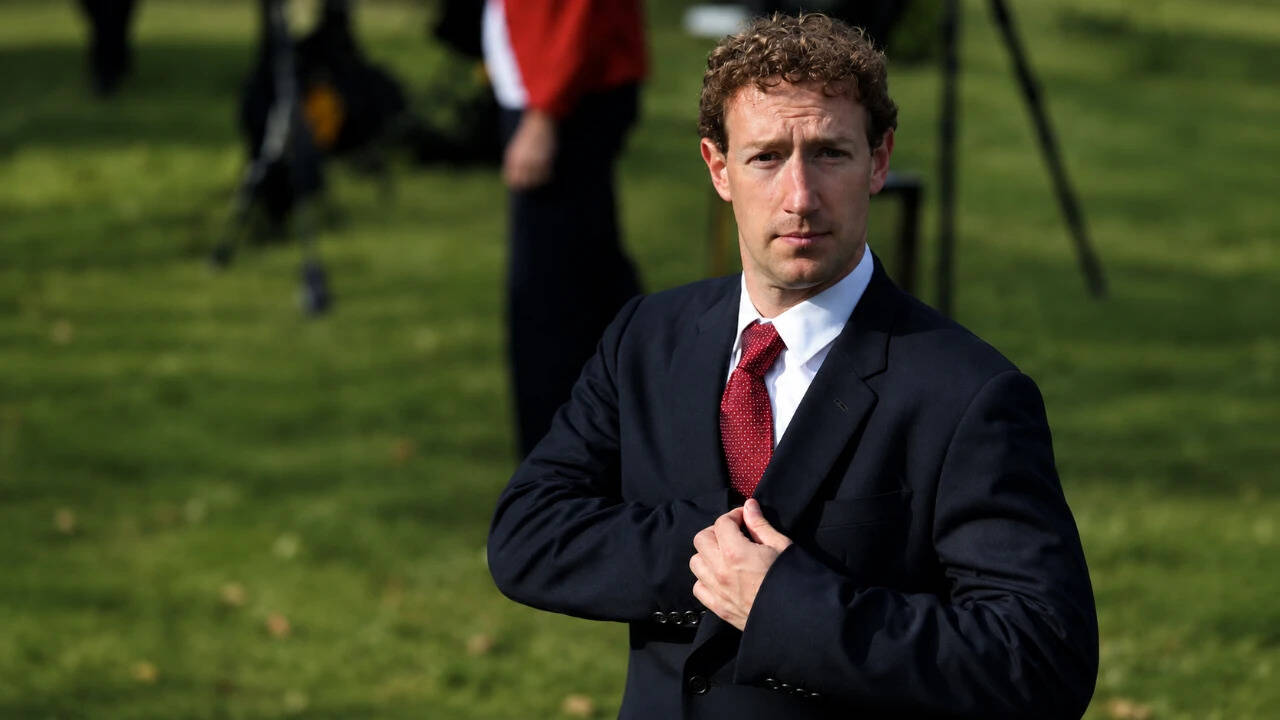
While some corporate leaders want to run boardrooms, many others end up in executive suites almost entirely by chance. Dustin Moskovitz, however, has a different view on getting the top job.
The millennial entrepreneur co-founded Facebook alongside his Harvard roommate Mark Zuckerberg, served as the social network’s very first CTO, and later departed in 2008 to launch the workplace collaboration platform Asana. Moskovitz guided Asana as its CEO for well over a decade and built it into a $3 billion enterprise before stepping down from the top role last year. Yet, looking back at his tenure, Moskovitz admitted that holding the top corporate post was never truly his calling.“I just found it quite exhausting,” Moskovitz said in an interview with Stratechery, candidly describing himself as an introvert. “I don’t like to manage teams. I’d intended to be more of an independent or head of engineering… Then one thing led to another and I was CEO for 13 years,” he confessed, explaining that managing staff had never been his goal—even after creating Asana with co-founder Justin Rosenstein.
Putting on a Mask in a ‘chaotic world’
Operating as CEO required Moskovitz to project an outward persona that went against his personal preferences, creating what he described as the daily grind of having to “put on this face day after day.”
Initially, he hoped that leading the company would become less taxing as Asana expanded, thinking that wider operational delegation would eventually let him step back and direct company strategy from behind the scenes.
In reality, the day-to-day experience moved in the opposite direction.External social and political upheaval increasingly pulled his attention away from traditional product and company development:“The world just kept getting more chaotic—the first Trump presidency and the pandemic and all the race stuff—it made it just a lot less of the company building, being a CEO is a lot more reacting to problems and doing this sort of thing,” Moskovitz explained.
The Rise of the ‘Accidental Manager’
Moskovitz's reluctance to manage mirrors an increasingly common dilemma across corporate workplaces. Fortune cited workplace studies indicating that as many as 82% of bosses fall into the category of "accidental managers." Most received zero formal management instruction and were elevated into supervisory positions simply because they excelled at the technical, functional tasks of their original roles.
Because they were strong individual performers, companies routinely promoted them to guide others, even if they had no people-management instincts or desire to lead.
KioskNews shows a cleaned-up reading view extracted from the publisher’s page — the original always lives on their site, not ours.