IDF, Defense Ministry struggle with amount of reservists seeking mental health care, experts say
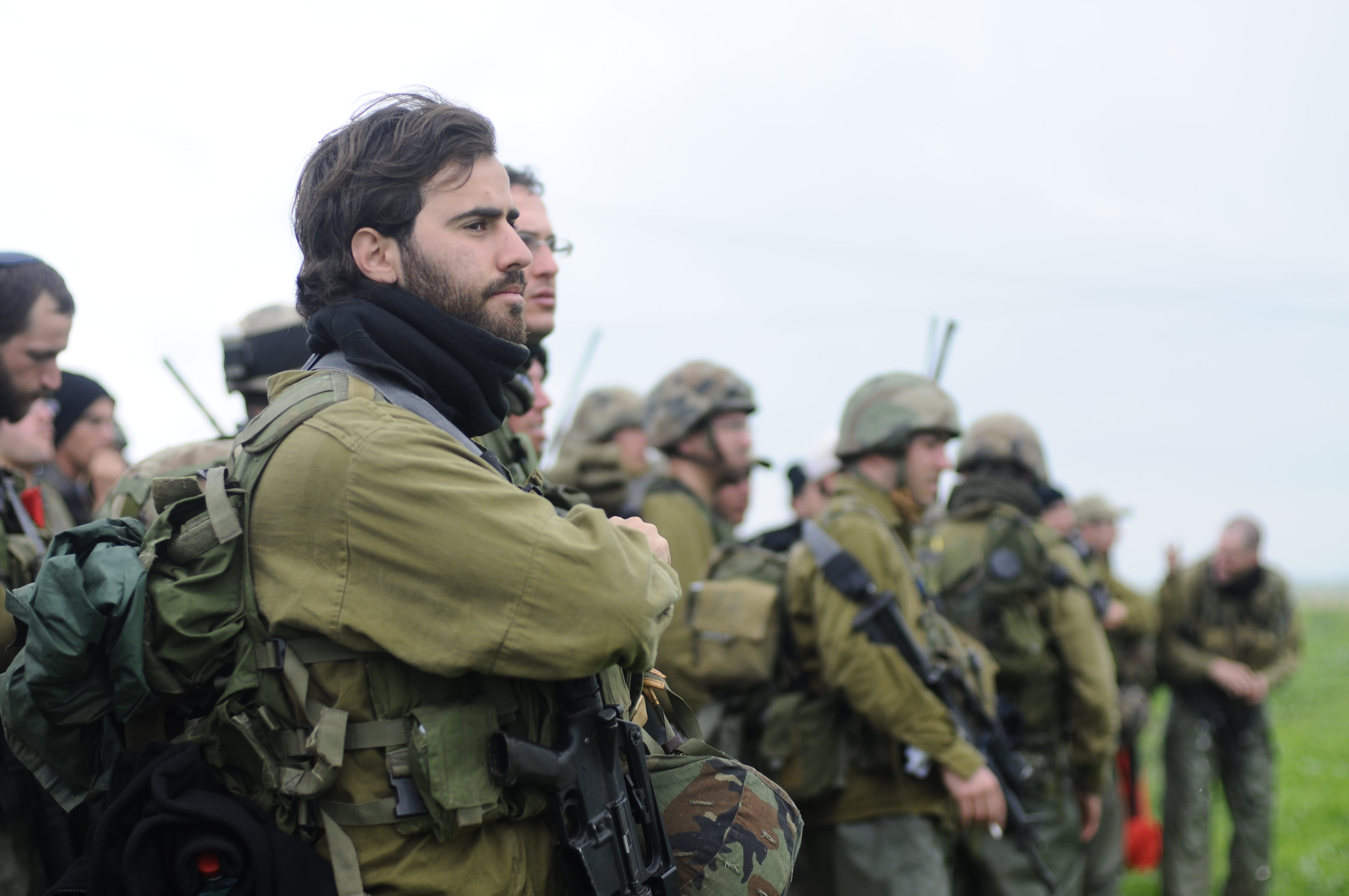
The IDF and Defense Ministry are struggling to keep pace with the growing number of reservists seeking mental health care after three years of intense fighting on multiple fronts, according to military reservists familiar with the issue.
The sources say thousands of reservists who have completed prolonged combat deployments are traveling overseas to attend workshops and receive treatment through private nonprofit organizations, seeking help coping with the psychological effects of their military service.
One source said the IDF should work more closely with these organizations to ensure consistent standards of care. "It would have been preferable for the IDF to initiate a process with the nonprofit organizations and private bodies to minimize the gaps in diagnosis, oversight, and ultimately treatment," the source said.
Reservists have also raised concerns about disparities in mental health support between active-duty soldiers and reserve personnel. While soldiers in regular service receive ongoing support, reservists typically get limited assistance toward the end of their operational deployments, and even that support isn't consistently available.
Military sources serving in the reserves claim that once reservists have "become civilians," the military considers its responsibility fulfilled, leaving them to navigate bureaucracy and limited support services on their own.
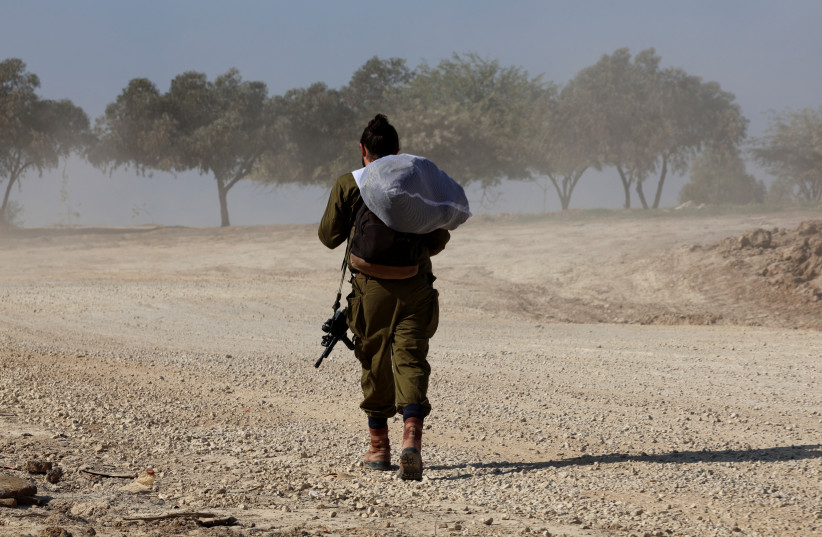
Mental health specialists in IDF reserves warn of coming PTSD crisis
Reservists specializing in mental health are warning that the IDF and Defense Ministry may be unprepared for a surge in cases of post-traumatic stress disorder (PTSD) in the coming years.
One source warned that the psychological consequences of the war could continue to emerge long after the fighting ends. "The psychological shockwaves and outbreaks of post-traumatic stress among hundreds of thousands of combat soldiers and reservists are only beginning and are expected to intensify in the coming years."
According to estimates by the IDF and the Defense Ministry's Rehabilitation Department, tens of thousands of soldiers, primarily reservists, are expected to develop PTSD as a result of the war. More than 7,000 soldiers, most of them combat troops, have already been officially recognized as having psychological disabilities stemming from their wartime service.
The IDF Medical Corps has established the Ta'atzumot Clinic and operates the Combat Stress Reaction Unit to provide mental health care. However, the sources argue that the capacity of these services has not kept pace with rising demand, particularly as fighting continues.
Reservists specializing in mental health also warned of what they described as a dangerous trend, with many combat soldiers and reservists turning directly to private providers, nonprofit organizations, and alternative treatment programs overseas rather than relying on the military's official mental health services.
These programs offer rehabilitation and support to help soldiers manage their symptoms, but the growing reliance on private providers has raised concerns among the sources about the adequacy of the military's own response.
The Ta'atzumot Clinic reports that approximately 65% of its patients return to military service after treatment. However, military sources in the reserves questioned whether that figure accurately reflects the broader challenges facing soldiers who need mental health care.
The sources questioned why so many soldiers feel abandoned after leaving military service. "Why do so many soldiers in the field still feel that the military system is quick to 'discharge them' or remove them from the statistics as soon as they take off their uniforms, and do the impressive figures reflect the full picture, or only those who managed to reach the forefront of mental health treatment?"
IDF places utmost importance on providing mental health care, military says
The IDF Spokesperson's Unit said the military places the utmost importance on providing mental health care and has significantly expanded both the capacity and quality of its services since the beginning of the war.
According to the IDF, its mental health system was prepared for increased demand and has continued to expand and improve its services throughout the fighting, adjusting based on lessons learned.
As part of those efforts, the military has opened new mental health clinics across Israel and established a 24-hour mental health hotline available seven days a week.
The IDF also emphasized that it does not simply wait for soldiers to seek assistance. Instead, it identifies those who may need support through structured processing and debriefing sessions held with teams and military units immediately after they complete operational deployments.
The Ta'atzumot Clinic, which treats soldiers currently serving in the military, has also expanded its operations and continues to adjust its services to meet changing needs.
Since the beginning of the war, the clinic has increased its staff and expanded its treatment programs, adding occupational therapy, a dedicated treatment track for career military personnel, and an intensive outpatient treatment program.
Soldiers referred to the clinic generally have complex clinical conditions and significant difficulties functioning that cannot be adequately addressed within their military units.
Treatment is intensive and tailored to the severity of each patient's condition. Its purpose is to support rehabilitation and assess whether a soldier can continue serving, not to keep personnel in the military at any cost.
The IDF stressed that the Ta'atzumot Clinic's statistics reflect only patients treated at the facility, not all soldiers experiencing post-traumatic symptoms. According to the military, about 65% of patients treated there return to service.
The Combat Stress Reaction Unit, which operates as part of the IDF's broader commitment to caring for its soldiers, also treats veterans and other discharged personnel experiencing post-traumatic symptoms after exposure to combat.
According to the IDF, the unit has treated more than 5,000 new patients, maintained short wait times, and expanded access to services in northern and southern Israel.
The unit operates in cooperation with the Defense Ministry and provides specialized psychological treatment for combat-related trauma.
In response to concerns about trust in the military's mental health services, the IDF said the Medical Corps conducts periodic patient surveys showing most patients are satisfied with the care they receive.
The military also noted that some mental health services fall under the responsibility of civilian agencies rather than the Medical Corps. These include the Health Ministry, Israel's health maintenance organizations, and the Defense Ministry's Rehabilitation Department.
Under Israeli law, the IDF is generally not authorized to provide medical treatment to civilians, except through the Combat Stress Reaction Unit, which is specifically responsible for treating discharged personnel affected by combat.
The Medical Corps also clarified that it does not oppose releasing data on IDF personnel suffering from combat stress reactions. It said figures on combat stress casualties are already being published and will continue to be made available through scientific publications and research conducted by the Medical Corps.
The IDF further stated that, after nearly three years of exceptionally intensive reserve deployments, it has developed a framework known as the "Service Cycle" to better address the changing demands of reserve duty.
The framework recognizes that reserve service is no longer limited to a defined period of mobilization followed by discharge. Instead, it can affect reservists, their families, and their military units throughout the year.
KioskNews shows a cleaned-up reading view extracted from the publisher’s page — the original always lives on their site, not ours.