EXPLAINER: What is hot meat?
Make this your preferred source to get more updates from this publisher on Google.
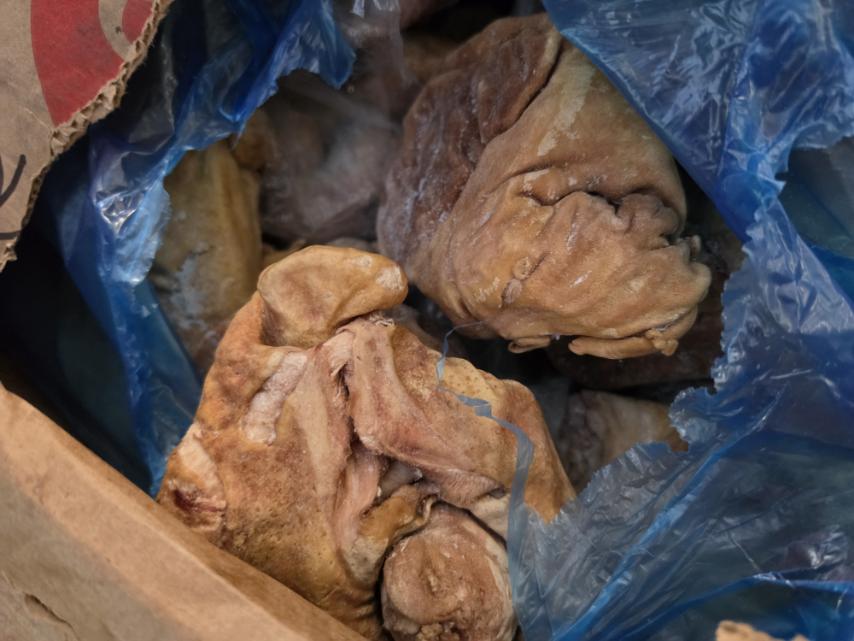
Authorities recently seized 11.5 metric tons or P5.19 million worth of Chinese meat products in Pasay City that did not undergo the proper inspection.
Meat products that were processed in unregistered facilities or illegally transported are tagged as “hot meat.”
Hot meat refers to “the carcass or parts of carcass or food animals which were slaughtered from unregistered/unaccredited meat establishments and have not undergone the required inspection,” according to Republic Act No. 9296 or the Meat Inspection Code of the Philippines.
“It also includes undocumented, illegally shipped, and unregistered carcasses, parts of carcasses, and meat products coming from other countries,” the law added.
Among the illegal meat products seized in the Pasay City operations are peking duck, whole pigeon, lamb, yellow chicken, and black chicken.
How about frog meat?
All meat products, including frog meat, meant for commercial sale or import must meet NMIS safety, inspection, and documentation standards, according to the National Bureau of Investigation (NBI) and Department of Agriculture’s National Meat Inspection Service (NMIS).
“Imported meat must come from foreign meat establishments that have undergone the required evaluation and are compliant with Philippine requirements before they are authorized to export to the country,” the NBI and NMIS said in a briefer.
Meat found unfit for human consumption is disposed of accordingly by the NMIS.
“The inspectors shall mark, stamp, tag, or label as ‘Inspected and Passed’ or ‘Inspected and Condemned’ all such products found to be unadulterated or adulterated as the case may be. Condemned meat Products shall be destroyed for food purposes,” the law stated.
Meanwhile, imported meat products that did not meet Philippine import requirements shall be refused entry and sent back to the country of origin. They can also be disposed of “at the expense of the importer or owner to protect public health and the local animal population.”
Individuals caught selling, transporting, or receiving uninspected "hot meat" or violating meat safety laws face up to 12 years in prison and fines of up to P1 million under Republic Act No. 9296.
Violators convicted by the court may also be compelled to pay restitution to affected consumers. —LDF, GMA News
KioskNews shows a cleaned-up reading view extracted from the publisher’s page — the original always lives on their site, not ours.