How Asia-Pacific property markets are drawing fresh capital despite US rate uncertainty
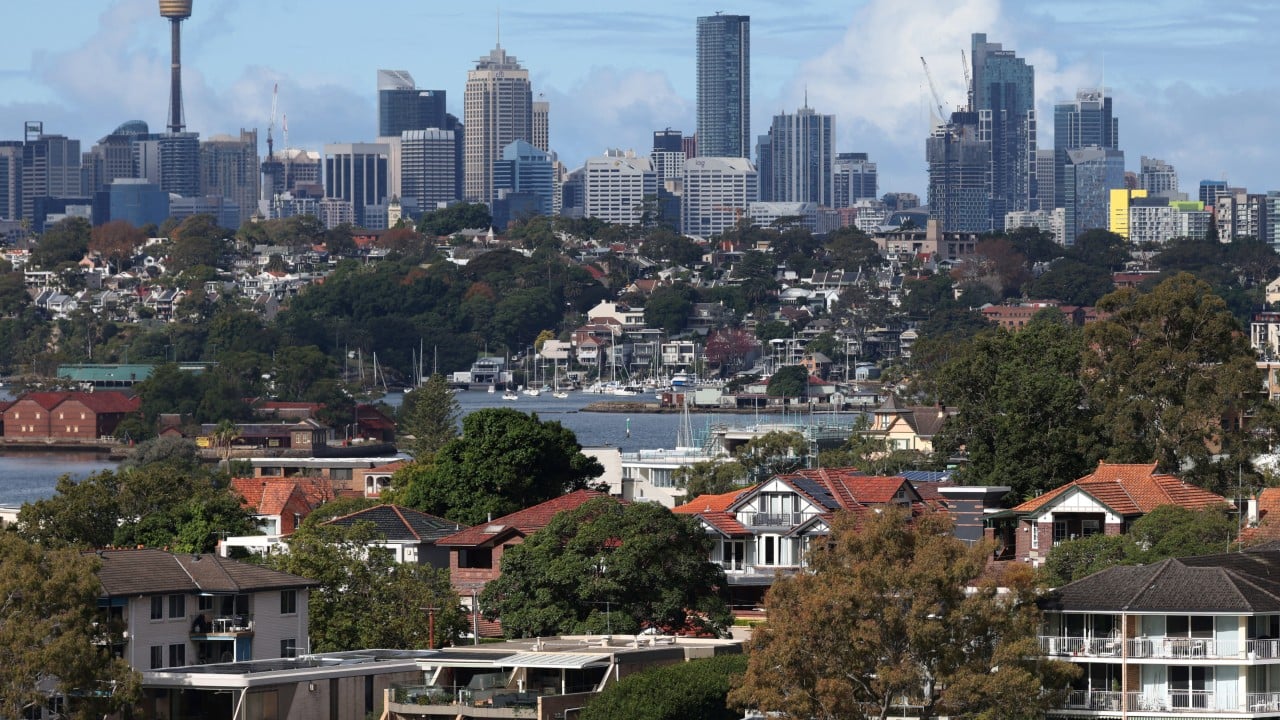
Property markets in the Asia-Pacific region are likely to remain attractive despite heightened uncertainty over monetary policy after the US Federal Reserve delivered its first interest rate increase in more than three years this month, analysts say, with several asset classes and sectors expected to draw investor interest.
“We’ve seen volumes, specifically cross-border volumes in the region, increase by around 30 per cent to date,” said Emily Fell, senior director for living sectors in Asia-Pacific capital markets at Savills.
“I think, as opposed to seeing a pullback generally, it’s more a change in strategy and a pivot in sector [focus].”
Mainland China was the region’s most active real estate market, with investment surging 154 per cent year on year to US$13 billion in the second quarter of 2026, according to financial data provider MSCI. Japan ranked second with US$9.7 billion worth of deals, followed by Australia with US$8 billion.
KioskNews shows a cleaned-up reading view extracted from the publisher’s page — the original always lives on their site, not ours.