UPLB stray animal policy draws criticism
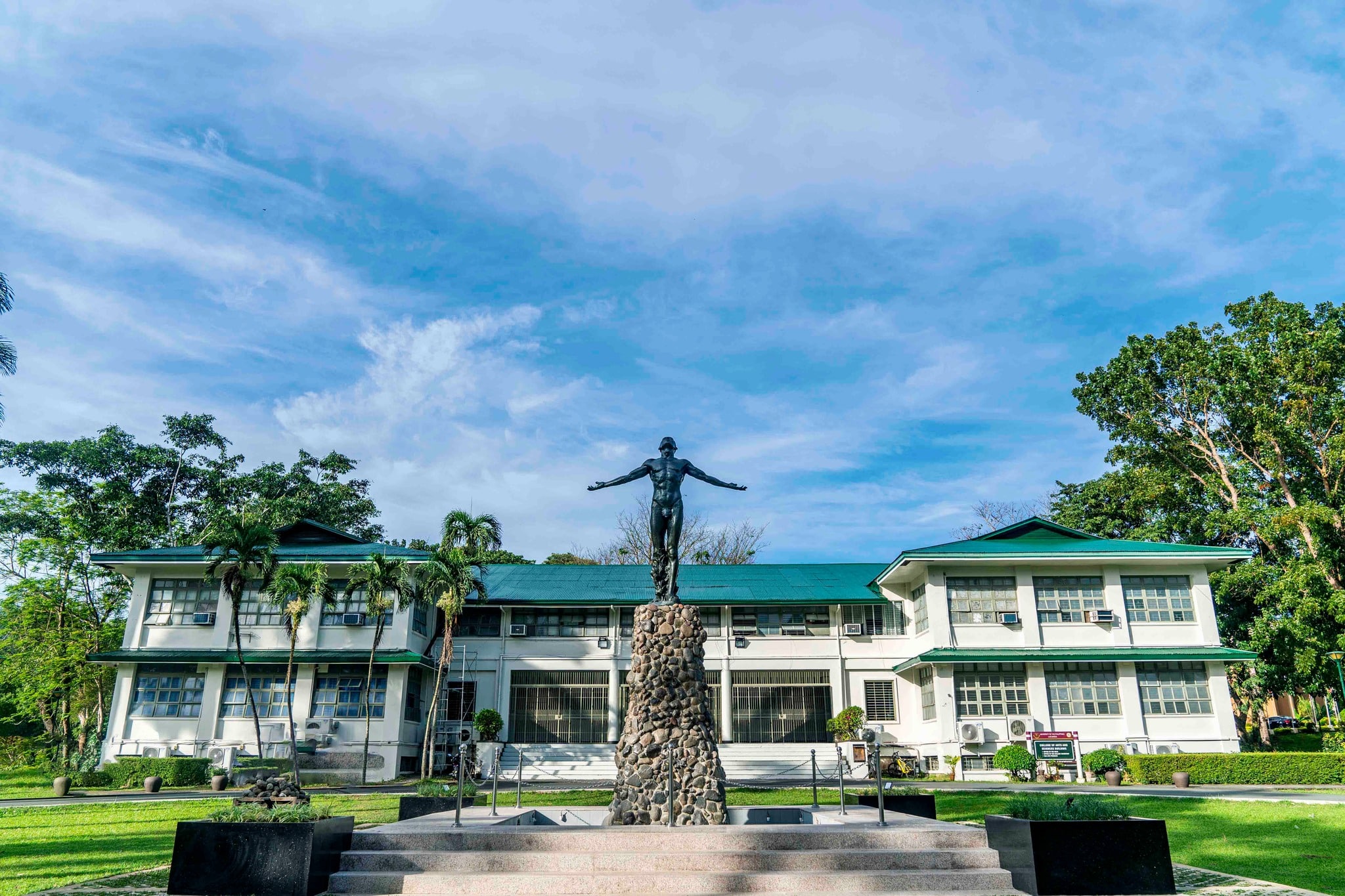

LUCENA CITY – The University of the Philippines Los Baños (UPLB) has barred security guards from feeding or sheltering stray animals, particularly dogs, and from allowing them to roam or stay inside and around university buildings.
“Internal Security Guards are assigned to ensure the security and safety of buildings, not to allow the premises under their watch to become shelters, hangout areas, or feeding grounds for stray animals,” UPLB Vice Chancellor Atty. Eric Paul Peralta said in Memorandum No. 43, Series of 2026, issued on Nov. 4.
The university’s student publication, UPLB Perspective, posted the memorandum, written in Filipino, on its Facebook.
Article continues after this advertisement
READ: Who protects the animals nobody ‘owns’?
FEATURED STORIES
NEWSINFO
NEWSINFO
NEWSINFO
Under the directive, security guards must immediately implement preventive measures to keep stray dogs from entering or staying inside university buildings.
These measures include securing building entrances, requesting the removal of food waste that could attract animals, and promptly coordinating with security officials for appropriate animal-control interventions.
The memorandum also strictly prohibits security personnel from colluding with or tolerating individuals who feed stray animals in areas where such activities are not allowed.
Guards who witness employees, students, or other individuals feeding stray animals in prohibited areas are instructed to issue a firm reminder, document the incident, and report it to the authorities.
Article continues after this advertisement
However, Peralta emphasized that all measures must be implemented safely and humanely, stressing that using force to drive away animals and their unauthorized capture are strictly prohibited.
READ: Tax incentive proposed for people who adopt stray animals
Article continues after this advertisement
The directive drew strong criticism from members of the UPLB community, with several questioning the university’s approach to managing stray animals and calling for more compassionate solutions.
“UPLB covers approximately 5,445 hectares of land—roughly 1.3 times the size of the entire City of Manila. Are you seriously telling us that you cannot provide designated feeding areas and adequate shelters for stray animals?” one commented on the UPLB Perspective Facebook post.
The commenter said that stray animals already face enough hardships in their daily lives and urged university officials to adopt a more compassionate approach.
“Your leadership, Mr. VC, should be demonstrated through compassion, responsibility, and humane action—not by making the lives of these animals even harder,” the critic said.
Another commenter argued that showing compassion to stray animals would not necessarily require additional public funds.
“Compassion to vulnerable stray animals costs nothing. Kindness requires no taxpayer funds and diverts no resources from your office,” the commenter said.
“Lest we forget, UPLB stands as the country’s premier institution for agriculture and veterinary medicine. Thus, it should be leading by example in animal welfare, not turning a blind eye,” the comment added.
READ:De Lima urges lawmakers to pass tougher animal welfare billAn animal welfare advocate said stray dogs and cats should not be blamed for their circumstances.
Your subscription could not be saved. Please try again.
Your subscription has been successful.
“It is not the fault of dogs and cats that they become strays. They were not born to suffer on the streets. They, too, deserve to be cared for, protected, and loved,” the advocate said, adding: “Perhaps they were sent into our lives to teach us compassion, yet it is heartbreaking that so many suffer because humans have forgotten how to be kind.”/coa
KioskNews shows a cleaned-up reading view extracted from the publisher’s page — the original always lives on their site, not ours.