Has Healey’s military-style budget secrecy really played out so differently to past budgets?

The public has been told repeatedly that John Healey is so concerned about budget leaks that he has set up defence-style “compartmentalisation” to prevent the Treasury’s financial secrets escaping.
The macho military analogies began in mid-August when Healey was said by the Telegraph to be “on a war footing” to stop the drip of information that he believed had beleaguered Rachel Reeves.
The Financial Times added that “military-style protocols” were being deployed, while the Spectator was excited about the use of “classified computer systems” and the i newspaper described a process where officials could sign in to only their parts of the document and could not access the sections they were not working on.
This weekend, the Observer reported that Healey was “flabbergasted” by the lack of security around financial information when he became chancellor and “it was so different to how we did things in the MoD”.
The chancellor is known to have been worried that market-sensitive leaks cost Britain billions in the run-up to the last government’s budgets. But has this time around been so different after all?
Despite the heightened “security” around Wednesday’s budget, many of its announcements have been leaked already from a clear mixture of authorised and unauthorised sources.
It emerged well in advance that there will be a higher tax on banks – a deeply market-sensitive policy – and a package of energy support for the most vulnerable.
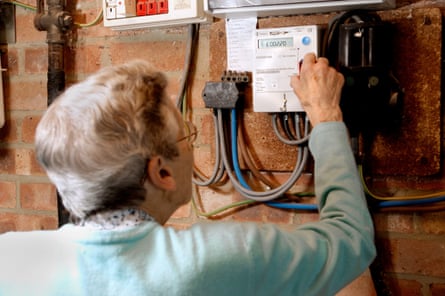
There will also be billions of pounds in extra defence spending, directed towards the British Business Bank and National Wealth Fund, as well as a £1bn crackdown on online VAT sales, with big retailers such as Amazon, eBay and Temu to be responsible for collecting what is due from smaller merchants selling on their platforms.
On top of that, there have been stories indicating the level of headroom the chancellor will be looking at – in the region of £15bn – known in the political trade as “pitch rolling” to avoid alarming the markets or the public.
The Treasury and No 10 have also undertaken their traditional stream of embargoed announcements by press release in the days before the fiscal event, such as a new £1.5bn borrowing facility for local authorities and £1bn for social housing, as they seek to build a sense of action and momentum about what the government is trying to achieve.
Former Treasury advisers believe the rigamarole around budget security is partly designed to deter civil servants and gossiping MPs from thinking they can embark on unauthorised chatter before a policy is ready.
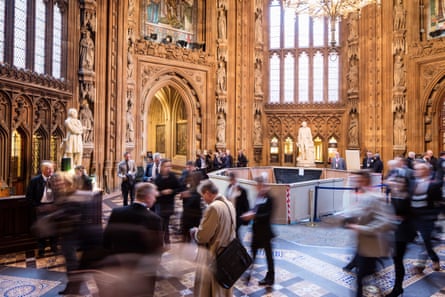
But they also say it is unhelpful for the chancellor to produce a hermetically sealed budget, which could cause a backlash over surprise measures – in the markets, the media, among the government’s own MPs and the wider public.
It is often the less-trailed policies that have tended to go wrong, from George Osborne’s pasty tax in 2012 to Philip Hammond’s surprise national insurance hike for the self-employed in 2017 that had to be abandoned within seven days after a furore among Conservative MPs about breaking their manifesto promise.
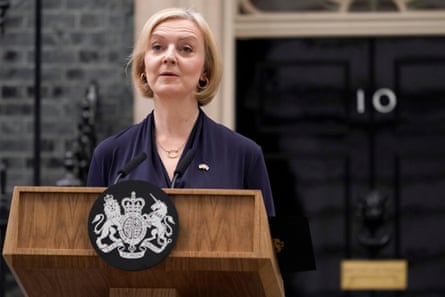
Aides say there is a balance to be struck – and it’s not always a good idea to hoard information until budget day. “If everything is kept tight, then you end up surprising people. And that’s called a Liz Truss situation,” says one former strategist from the Tory years.
Healey has been shutting down speculation about various tax rises, from higher capital gains tax on certain assets to lowering the mansion tax on properties worth more than £1.5m – showing he has begun to see the virtue in expectation management and limiting surprises on the big day.
There may still be a few fiscal “rabbits out of the hat” on the day, as Healey seeks to combine a “steady-as-she-goes” budget with some eye-catching measures designed to show the public that the government is on their side.
But if the Treasury really has aimed for military levels of secrecy around its budget, the Ministry of Defence might have something to worry about.
KioskNews shows a cleaned-up reading view extracted from the publisher’s page — the original always lives on their site, not ours.