Rodrigo Duterte appears again at ICC hearing ahead of November 30 trial
Already have Rappler+?
to listen to groundbreaking journalism.
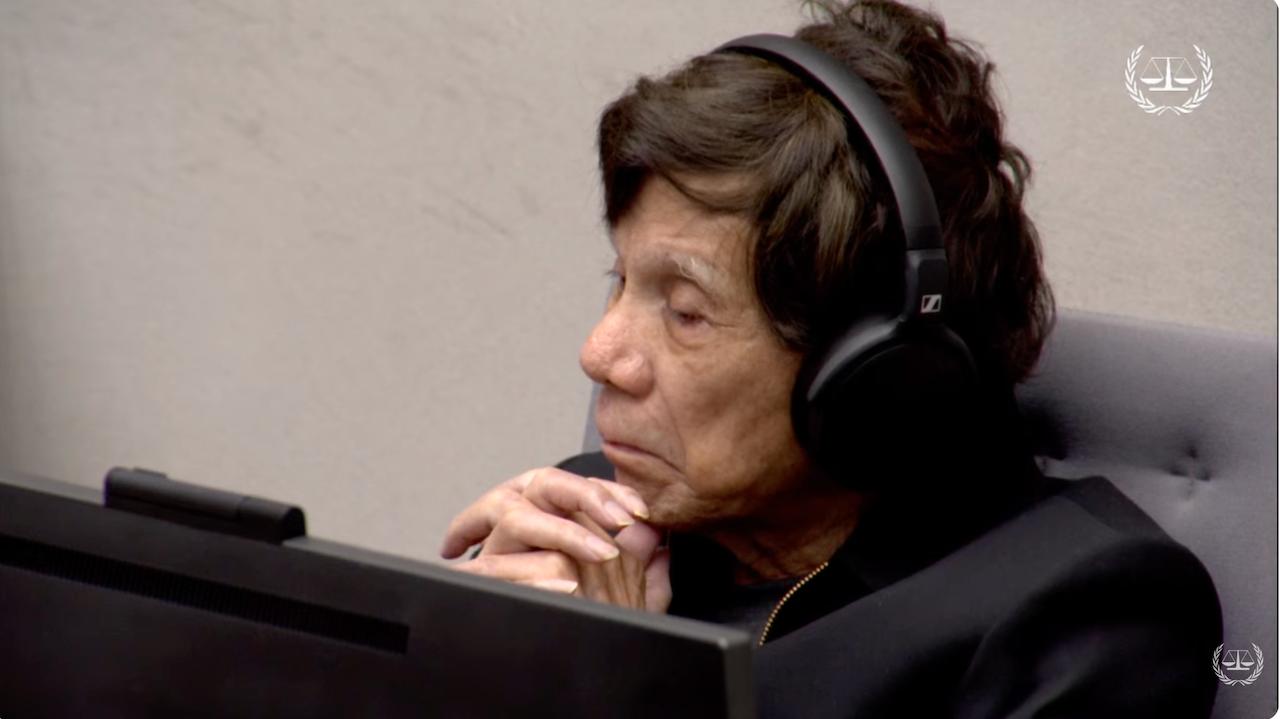
ATTENDANCE. Former Philippine president Rodrigo Duterte attends the fourth status conference of his International Criminal Court case on October 13, 2026.
International Criminal Court
This is the second time that the former Philippine president has personally appeared before the court since his arrest in March 2025
AT A GLANCE
- Former Philippine president Rodrigo Duterte appeared before the International Criminal Court for a status conference ahead of his trial starting on November 30.
- During the hearing, discussions focused on the prosecution's extensive evidence, including newspaper clippings, and the defense's complaints about the overwhelming amount of data provided, leading to a dispute over the use of artificial intelligence in evidence review.
This is AI-generated. Read the article for full context. Report any errors.
MANILA, Philippines – Former Philippine president Rodrigo Duterte has made another appearance before the International Criminal Court (ICC) ahead of his full-blown trial slated to start on November 30.
Duterte, who’s facing three counts of crimes against humanity over his war on drugs, attended the Trial Chamber III’s fourth status conference on his case on Tuesday, October 13.
This is the second time that the former president has personally appeared before the court since his arrest in March 2025. On September 16, Duterte attended the chamber’s third status conference, marking his first personal appearance before the court.
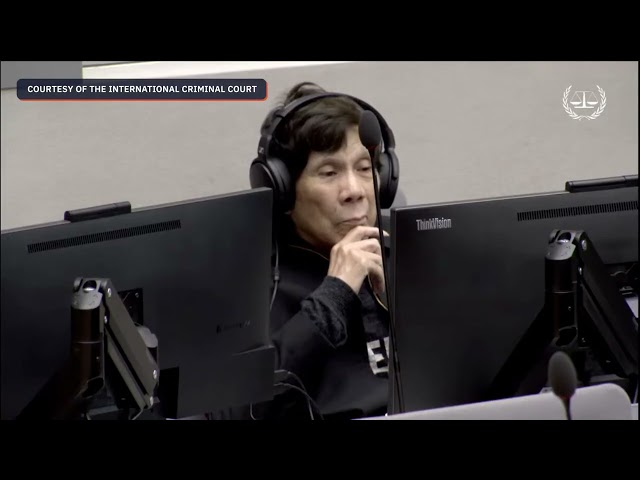
A status conference is held by the chamber to allow parties to discuss matters related to the case before proceeding to a full trial. This is done to iron out details such as the schedule and the list of witnesses and evidence, among others.
During Tuesday’s hearing, Presiding Judge Joanna Korner disclosed the schedule of Duterte’s trial:
- 10 am to 11 am
- 11:30 am to 12:30 pm
- Lunch break: 12:30 pm to 1:30 pm
- 1:30 pm to 2:30 pm
- 3 pm to 4 pm
Apart from lunch, there are 30-minute breaks between sessions, given the experts’ recommendation of no sitting for more than an hour for Duterte due to his age and condition.
Recently, the Trial Chamber III ruled that Duterte is fit to stand trial. Citing experts’ analysis, Duterte was unanimously found to be in the capacity to understand:
- instructing counsel in preparing and conducting the defense
- the charges
- the purpose and consequences of the proceedings
- following the course of the proceedings, including the nature and implications of entering a plea
- the evidence

Discussion on evidence
Once again, the prosecution’s large number of pieces of evidence was brought up during the hearing, specifically by Presiding Judge Korner. Trial prosecutor Julian Nicholls explained that they had restructured their list based on the most important ones, including the “non-negotiables.”
Korner flagged the inclusion of newspaper clippings — called by the court as secondary sources — in the prosecution’s 5,000 documents. Nicholls explained that they included them because the clippings will provide context and corroborate the allegation of killings committed during Duterte’s mayoral reign in Davao City.
Defense lawyer Peter Haynes again complained about the prosecution’s “over 18,000” datasets, saying the material had been “literally dumped” on them. Later, Korner inquired why the defense did not take up the prosecution’s offer to review the documents and spreadsheet.
At one point, the prosecution and defense also entered into an argument after the defense accused the prosecution of using artificial intelligence (AI) in reviewing the evidence.
“But the dataset, yeah, Mr. Nicholls, I think, is saying they haven’t been read by a lawyer, and certainly I haven’t read them. You will have noticed from the filings and with the artificiality that we have to deal with this by not naming anybody, there have been three institutions that have had those documents,” said Haynes.
“One of them is an institution that is very resourceful in terms of both human resources and money, and it took a team of people from that institution one year to review the dataset. That’s how big it is. And they did it humanly. The prosecution [hasn’t] done it humanly. They’ve effectively passed it through an AI machine,” Haynes added.
“I have to object. That is completely untrue. He keeps saying that. We have gone through this dataset by analysts. We’ve gone through all of it, lawyers some of it, page by page, human, manual, 100%. Keep saying that. It’s not true,” Nicholls said in response.
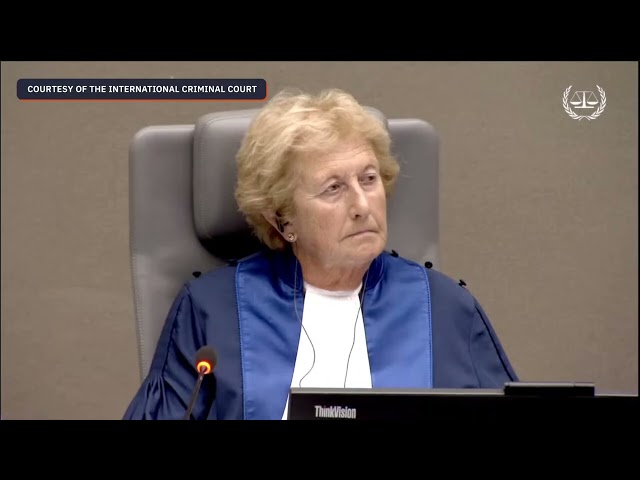
The defense also had a motion, requesting that the prosecution’s evidence should be refiled and a 10,000-document limit should be imposed. Presiding Judge Korner ruled that the motion was “at the moment refused,” explaining that an arbitrary limit could cause the prosecution to violate the disclosure obligations.
Disclosure of evidence is done in the proceedings to allow the legal counsel of the accused to prepare a proper defense.
Nicholls explained during the trial that the prosecution can stipulate or agree on the fact that the drug war deaths were around 3,400. He said that this was actually lower than the number of deaths reported by the Duterte administration itself.
There were 7,884 alleged drug suspects killed, as of August 31, 2020, based on the Philippine National Police’s count. However, several human rights groups said there could be around 27,000 to 30,000 victims if vigilante killings were to be included.
Haynes argued with Nicholls about the number, saying that the figure was not all drug-related. However, the prosecution insisted that deaths were all related to Duterte’s drug war. – Rappler.com
KioskNews shows a cleaned-up reading view extracted from the publisher’s page — the original always lives on their site, not ours.