NCRPO warns vs fraud amid No Contact Apprehension’s resumption
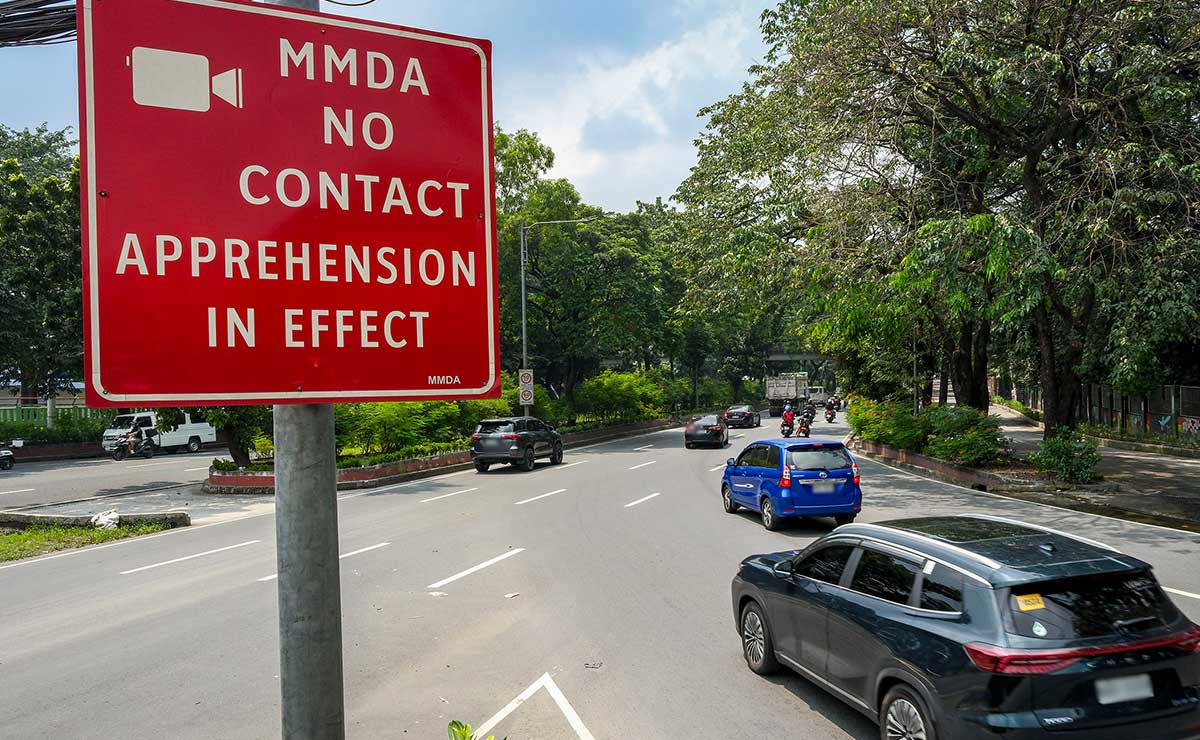
MANILA, Philippines — The National Capital Region Police Office (NCRPO) on Tuesday warned motorists against scams posing as fake law enforcement agents and conducting illegitimate collections.
Usually sent via text messages or online platforms, the fraudulent scheme, posing as traffic notices with suspicious links, directs victims to pay charges for their alleged traffic violations.
“Do not be easily deceived by individuals who use the names of government agencies to demand money,” NCRPO Officer in Charge Brig. Gen. Christopher Abrahano said in a statement.
Article continues after this advertisement
“Report suspicious transactions and preserve messages, receipts, screenshots and other evidence that can help authorities identify and investigate those responsible,” he added.
FEATURED STORIES
NEWSINFO
NEWSINFO
NEWSINFO
Three individuals posing as parking attendants were recently arrested for alleged unauthorized collecting excessive parking fees from motorists in Malate, Manila.
READ: NCAP reimplementation starts Monday in 5 Metro Manila cities
The NCRPO also reminded motorists to verify the identity and authority of anyone claiming to be a local government official, Metropolitan Manila Development Authority (MMDA) personnel, traffic enforcers, and authorized parking attendants before paying.
Likewise, the Manila Police District said that motorists should verify traffic citations and payment instructions through legitimate government channels.
Article continues after this advertisement
This alert comes amid scams related to the No Contact Apprehension Policy (NCAP) reimplementation in Metro Manila.
NCAP’s resumption in Manila, Muntinlupa, Paranaque, Quezon City and San Juan follows after the Supreme Court lifted the temporary restraining order against the system.
Article continues after this advertisement
Under this setup, closed-circuit television and other technology are used, instead of traffic enforcers to record vehicles allegedly violating traffic rules.
After manual review and verification, vehicle owners who committed violations are issued notices sent via SMS and email.
KioskNews shows a cleaned-up reading view extracted from the publisher’s page — the original always lives on their site, not ours.