Leyte gov seeks national aid for El Niño preparations
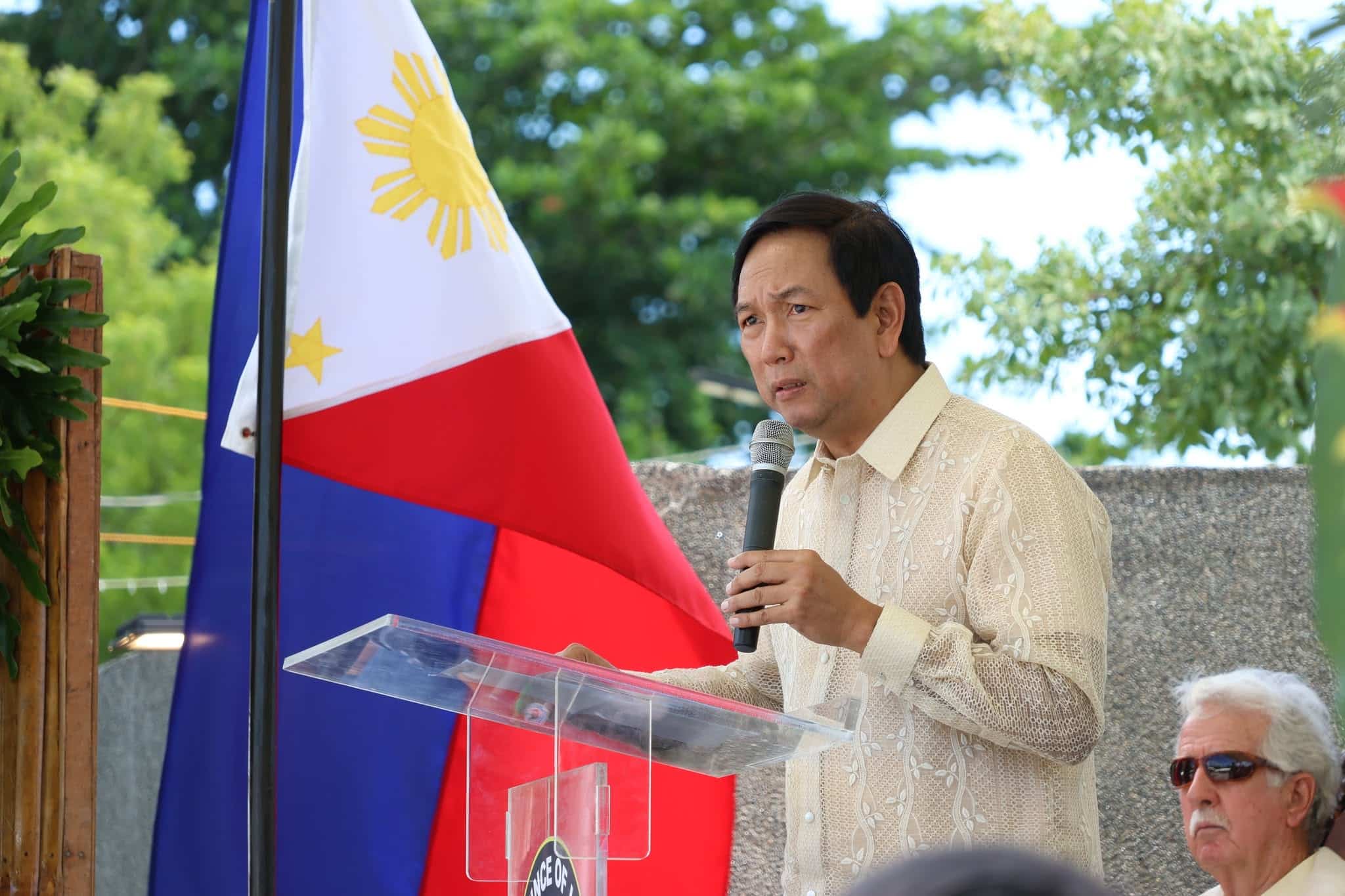

TACLOBAN CITY — Leyte Gov. Carlos Jericho Petilla is seeking assistance from the national government to prepare for the anticipated impacts of the “super El Niño” phenomenon, citing potential threats to agricultural production and electricity supply that could be costly for the province to address on its own.
Petilla said the provincial government is exploring alternative water sources to help farmers cope with prolonged dry conditions while monitoring the possible effects of rising temperatures and increasing electricity demand on the power sector.
“I’m worried with our agriculture, and I am also looking at what will happen to our electricity, our power supply. I have seen the grid, and it does not look good,” Petilla said in an interview.
READ: El Niño affecting 14 regions, agriculture sustains P6.87-B damageThe governor, who previously served as energy secretary during the administration of the late President Benigno Aquino III, said preparations would require substantial resources, prompting the provincial government to seek support from the national government.
One of the measures being considered is tapping groundwater to help sustain agricultural activities, particularly rice production, which depends heavily on an adequate water supply.
“You cannot harvest if there is no water,” Petilla said.
He said the provincial government is coordinating with the Mines and Geosciences Bureau (MGB) of the Department of Environment and Natural Resources to determine where groundwater could be extracted and how deep drilling would need to go to reach potential sources.
“If we have El Niño, the surface water is going to be gone,” Petilla said, explaining the need to identify alternative sources that could remain available when rivers, streams and other surface water sources decline or dry up.
The governor acknowledged that groundwater quality would also have to be assessed to determine whether it would be suitable for agricultural or other uses. “It may not be as clean as we want, but there is water,” he said.
Petilla also cited cloud seeding, an artificial rain-enhancement technique considered by the Marcos administration, as another possible intervention that could entail significant expenses for the provincial government.
READ: PH Air Force to aid cloud seeding amid El Niño threat
Cloud seeding involves dispersing suitable substances into existing clouds under favorable atmospheric conditions to encourage precipitation. However, its effectiveness depends on the availability of appropriate clouds and prevailing weather conditions, and it cannot produce rain in the absence of suitable clouds.
Petilla said the province would need assistance from the national government to finance such interventions and other preparations, given its limited resources and the potential scale of the effects of El Niño.
Apart from agriculture, Petilla expressed concern over the possible implications of prolonged hot and dry weather on electricity supply.
Extreme heat typically increases electricity consumption as households, offices and businesses use more air conditioners and electric fans. At the same time, high temperatures can reduce the efficiency of some power-generating facilities, while reduced water availability may affect hydroelectric generation.
These conditions could tighten electricity reserves if power generation fails to keep pace with demand. However, the actual impact would depend on the availability of generating units, fuel supplies, transmission conditions and electricity demand.
READ: ‘Very strong El Niño’ to persist in PH until early 2027 – Pagasa
El Niño is a climate phenomenon characterized by unusually warm sea surface temperatures in the central and eastern equatorial Pacific Ocean. In the Philippines, it is commonly associated with below-normal rainfall, prolonged dry spells and drought in affected areas./coa
KioskNews shows a cleaned-up reading view extracted from the publisher’s page — the original always lives on their site, not ours.