Land sales offer only temporary relief for West Kowloon arts hub, experts warn
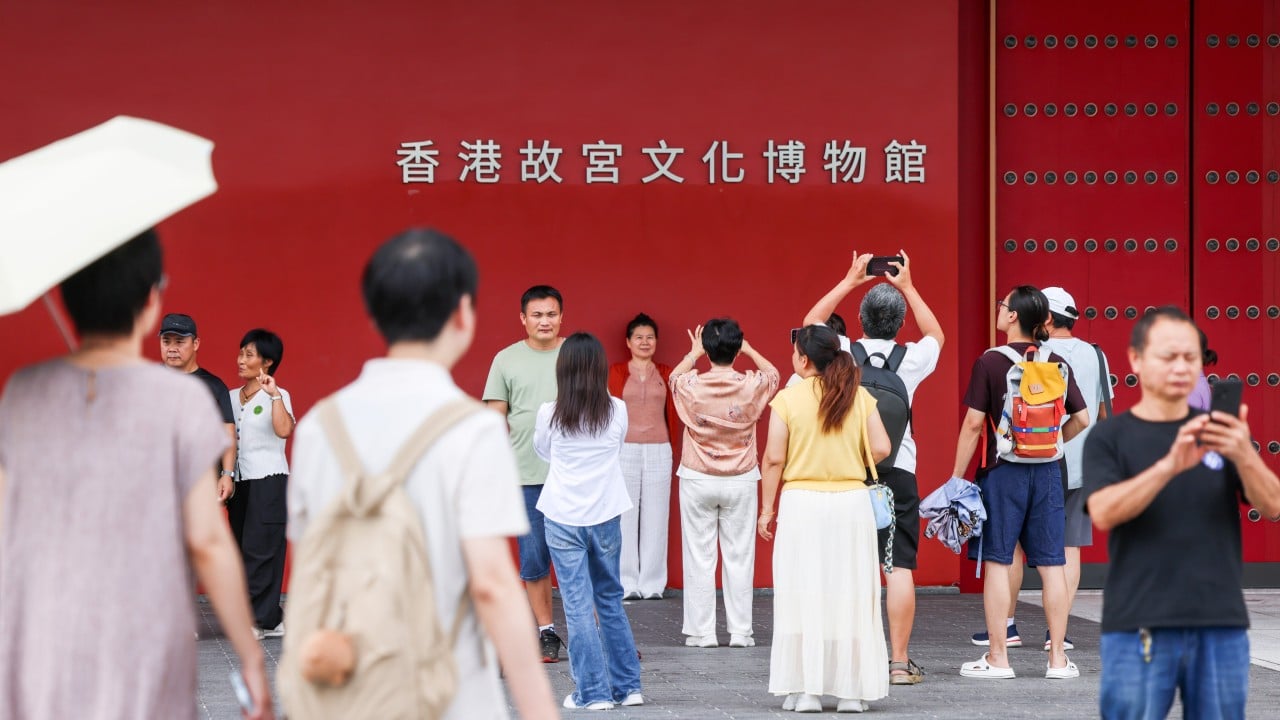
Hong Kong’s West Kowloon Cultural District is betting on property development to ease its financial pressures amid a widening operating deficit, but experts have warned that land sales will only provide temporary relief and cannot replace a sustainable long-term funding model for the arts hub.
The warning comes as the West Kowloon Cultural District Authority prepares to tender a prime residential site in the first half of next year, a potentially lucrative project that property experts expect to attract interest from major developers.
Norry Lee, a senior director at property consultancy JLL, said the site’s location and potential harbour views made it attractive, particularly for larger flats targeted at wealthier buyers.
“If you are talking about larger flats, especially those with sea views, there will definitely be demand,” Lee said, adding that the development was likely to appeal to major developers given its scale and prime location.
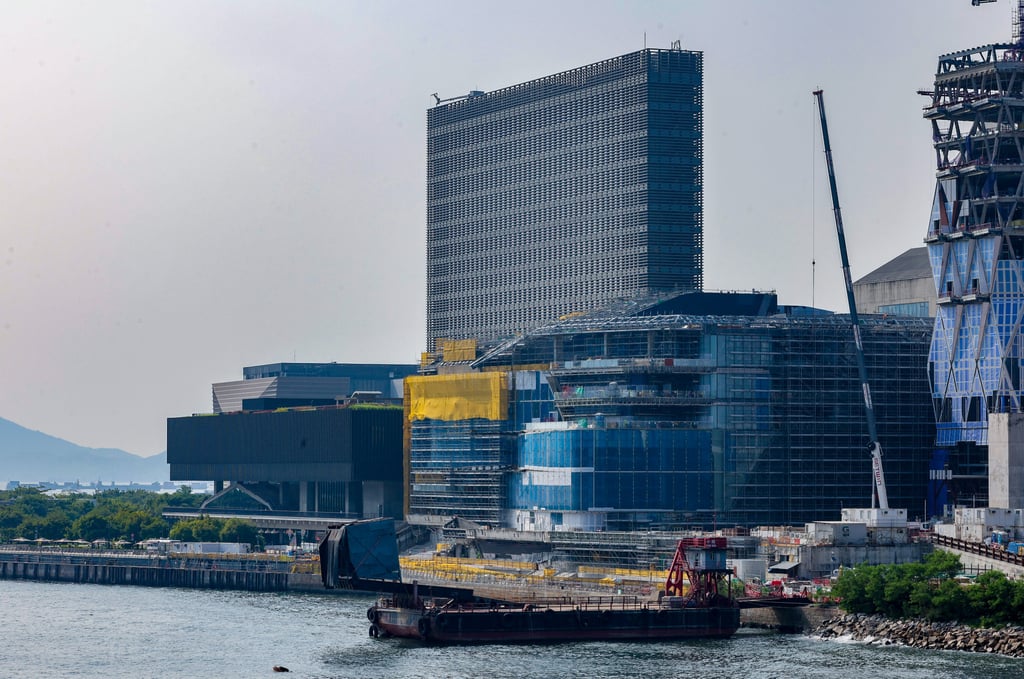
The development will have a total gross floor area of about 129,000 square metres (1.39 million square feet), including 108,000 square metres of residential space and about 20,000 square metres for retail, dining and entertainment.
Lee said the residential portion would account for most of the project’s value, with the commercial component relatively small by comparison.
He estimated the development could be worth close to HK$20 billion, based on an accommodation value of about HK$15,000 per square foot and recent transactions for nearby areas.
“If you have HK$20 billion and can generate a 5 per cent return, that is HK$1 billion a year,” he said, noting that this would roughly match the authority’s latest annual operating deficit.
But Lee said the bigger question was what the authority did with the proceeds after the development was sold.
“If it is a land sale, it is a one-off,” he said. “Once you sell it, it’s gone.”
Lee said investing the proceeds or otherwise using them to generate recurring returns could provide a more lasting source of funding for operations.
The authority recorded an underlying operating deficit of HK$998 million (US$128 million) in 2025-26, up by 30 per cent from a year earlier, even as self-generated operating income rose by 19 per cent to a record HK$768 million.
It expects to receive an upfront payment when the Zone 2B project is awarded, followed by further instalments as the development progresses.
The authority has also turned to borrowing to bridge the period before major commercial projects begin generating income, securing a HK$3 billion 10-year loan facility from ICBC (Asia) and issuing two five-year bonds totalling HK$700 million.
Lawmaker and town planner Andrew Lam Siu-lo, a former authority board member, said using property income to subsidise cultural facilities had been part of the district’s financial model from the outset.
He noted that the property market had stabilised, improving prospects for next year.
“I don’t think it is being too optimistic, because it really would be a turning point,” Lam said of the tender.
But it was important to distinguish between the district’s capital and operating needs, he added.
The district still required funding to complete the remaining facilities and related works, so proceeds from property development could first help meet capital requirements before any surplus was available to support daily operations, Lam said.
How long the proceeds could sustain the district should therefore depend on the eventual tender outcome and how the funds were managed, he noted.
“For its long-term operation, stable revenue ultimately cannot come from one-off income,” Lam said, adding that the district needed to strengthen its core revenue streams, including ticket sales, sponsorship and cultural merchandise.
He also rejected the idea that cultural institutions could realistically be expected to fully pay for themselves.
“If anyone assumed that a cultural district could be entirely self-sufficient, that was a misjudgment,” he said.
“I don’t see government museums or performing arts venues achieving a balance between revenue and expenditure. This isn’t unique to Hong Kong; it’s the same globally.”
Cultural policy advocate Ada Wong Ying-kay, who served on several committees and boards during the district’s early development, went further, saying criticism of the arts hub’s finances had been “very mean”.
Wong compared the district with museums, performing arts venues and libraries operated by the Leisure and Cultural Services Department, saying public funding of such facilities had long been accepted without an expectation they should recover their full costs.
Against that, she described the district’s overall cost recovery rate of about 40 per cent as “amazing”.
She also pointed to efforts to increase income through merchandise, venue rentals, commercial events and fundraising, describing its approach to operating cultural facilities as entrepreneurial.
“Almost all cultural institutions around the world, whether of a similar scale to West Kowloon, larger or smaller, cannot be financially sustainable on their own,” she said.
Major cultural institutions instead tended to rely on hybrid funding models combining public funding, commercial revenue, corporate support and philanthropic endowments, she added.
Wong argued that the HK$21.6 billion lump-sum funding granted by the government in 2008 should be viewed more as an infrastructure investment than an expectation that the district would thereafter operate without public support.
“Would [other world cities] say: ‘The HK$21.6 billion was more than a decade ago, and now that you’ve used it up, go and sell land’?” she added.
Wong said relying on property sales alone merely postponed the question of how the district should ultimately be funded.
“You asked whether selling land is sustainable. The answer is no,” she said. “However many sites there are, eventually you will run out of them.”
Hong Kong needed a broader discussion about how its flagship cultural institutions should be funded, particularly as the city sought to strengthen its role as an East-meets-West centre for international cultural exchange as laid out in the city’s first five-year plan, as well as by Beijing, she said.
KioskNews shows a cleaned-up reading view extracted from the publisher’s page — the original always lives on their site, not ours.