Xi By His Side, PM Modi's Note Against 'Weaponisation Of Critical Minerals'
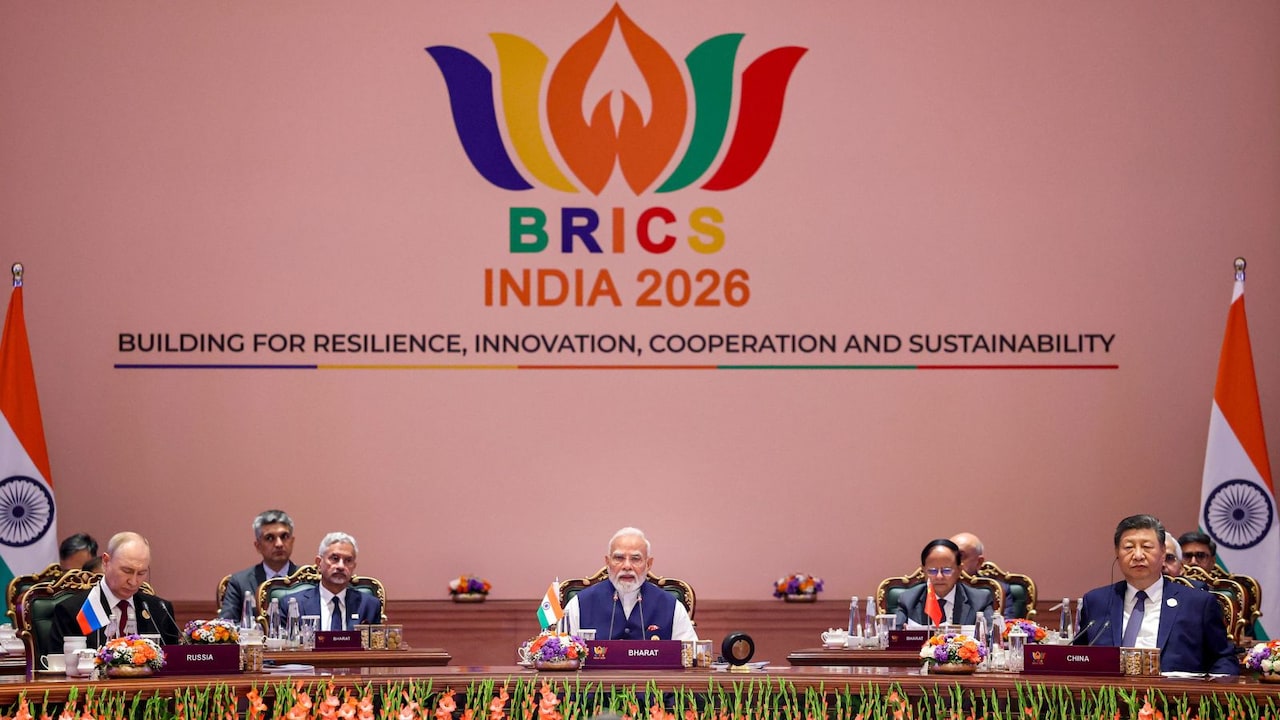
Prime Minister Narendra Modi today asked leaders of the BRICS grouping to recognise the dangers of weaponising "technology and critical minerals" which could undo all the gains the world has achieved so far on shared progress and prosperity. No crisis remains contained within a region these days, PM Modi said.
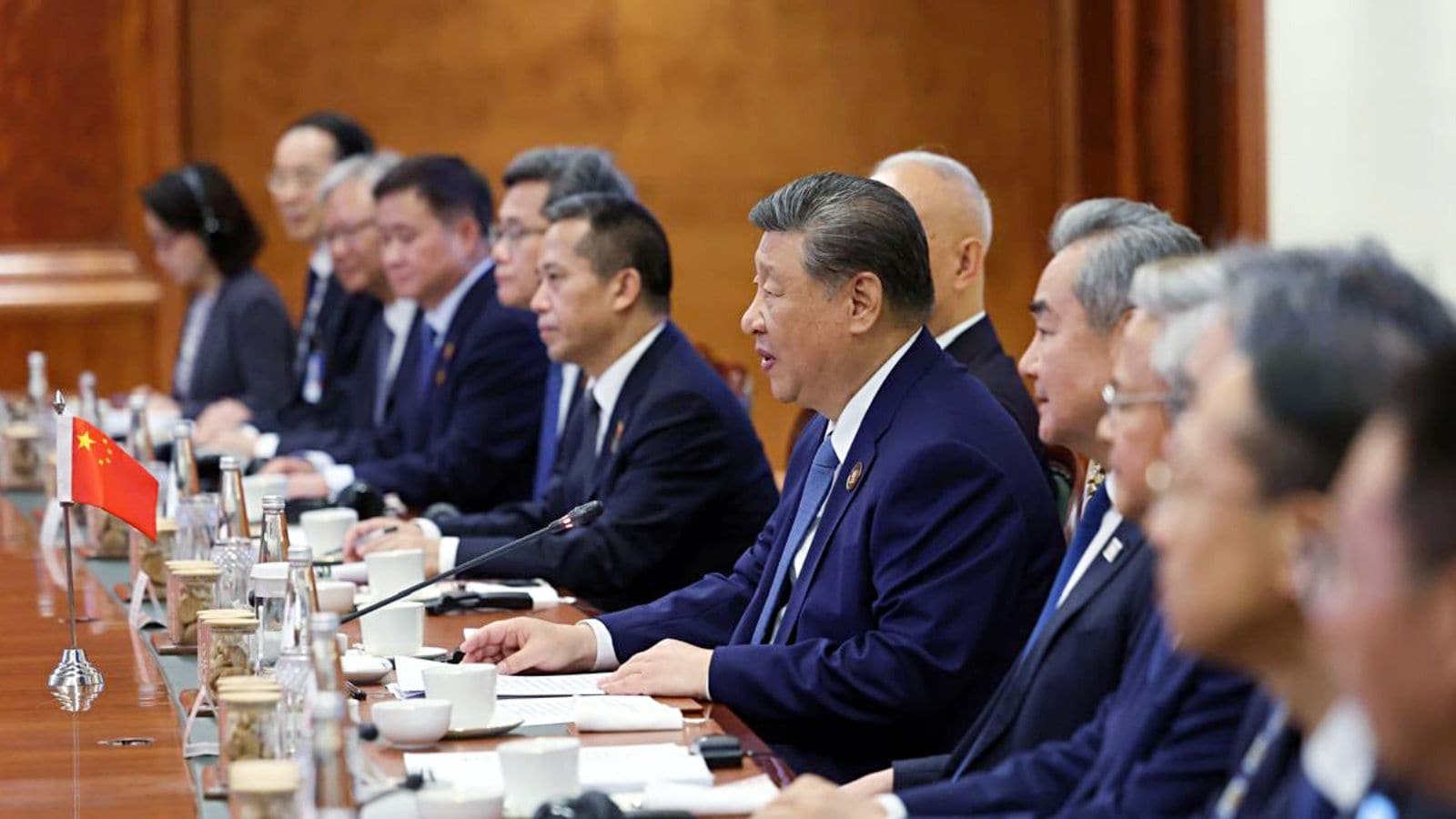
With Chinese President Xi Jinping in attendance on the second day of the BRICS Summit in Delhi this morning, PM Modi pointed out that a large number of geopolitical tensions erupting across the world are affecting all nations without exceptions.
"The world is witnessing increasing tensions, having a significant negative impact on the lives of ordinary people. Pandemics, climate disasters and supply chain disruptions have demonstrated that in today's interconnected world, no crisis remains confined to a single region," PM Modi said.
Though PM Modi did not point out specific examples, the comments come amid the global energy supply disruptions due to the US-Iran war which has paralysed the critical shipping lane, Strait of Hormuz.
His address also made a reference to the COVID-19 pandemic - said to have spread from China's Wuhan - that reached all corners of the globe eventually and killed lakhs of people.
"Therefore, we have placed special emphasis on enhancing resilience within the BRICS group. It is equally essential to identify challenges in a timely manner, remain prepared for them and take immediate action," PM Modi said.
"With this approach, a consensus has been reached on a BRICS Integrated Early Warning System for the prevention of and response to infectious diseases," he said, adding the guidelines for an early warning data integration system are ready.
Other leaders who attended the prime minister's address on the second day of the BRICS Summit included Russian President Vladimir Putin, Iranian President Masoud Pezeshkian, Malaysian Prime Minister Anwar Ibrahim and Indonesian President Prabowo Subianto.
"Under India's presidency, we have focused our efforts on four pillars: resilience, innovation, cooperation, and sustainability. I am pleased that, with your cooperation and support, we have been able to transform our shared vision into a win-win situation," PM Modi said.
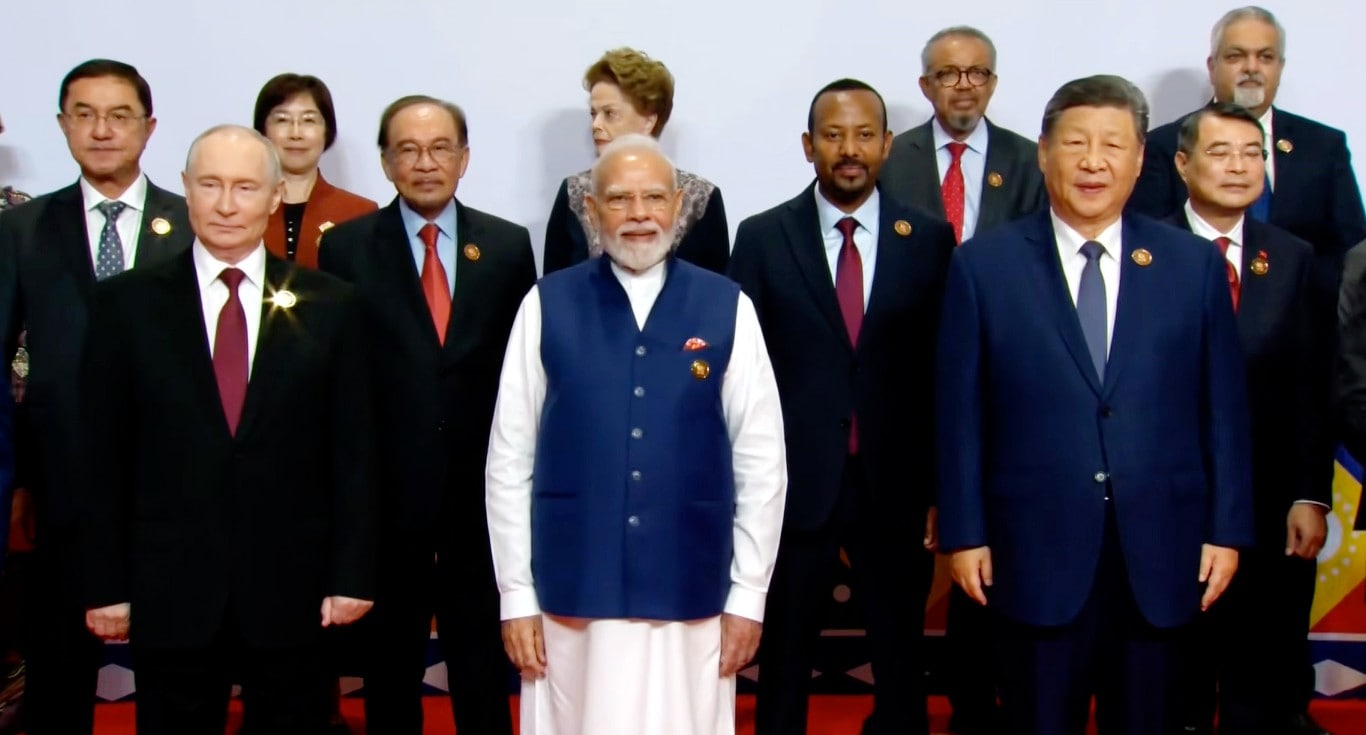
Before the address, the leaders posed for a group photo at central Delhi's Bharat Mandapam. PM Modi is scheduled to hold bilateral meetings with leaders of South Africa, Kazakhstan, the Philippines, Egypt, Burundi, Uganda and Nigeria today.
The New Delhi Declaration yesterday expressed deep concern over the continued escalation of tensions in the Middle East and called for exercising maximum restraint, as well as avoiding actions that could further aggravate the situation.
The New Delhi Declaration reaffirmed BRICS' support for a lasting two-state solution to the Israeli-Palestinian conflict, while urging deeper international institutional support for Palestine and reaffirming Israel's legal obligation to ensure the provision of humanitarian aid in Gaza.
It called for an immediate end to unilateral economic sanctions and expressed concern over rising protectionist policies, warning that arbitrary tariff hikes and green-labelled trade barriers are disrupting global supply chains and hurting emerging economies.
KioskNews shows a cleaned-up reading view extracted from the publisher’s page — the original always lives on their site, not ours.