Ghana must turn horticulture into global export powerhouse – Vice President Naana Jane
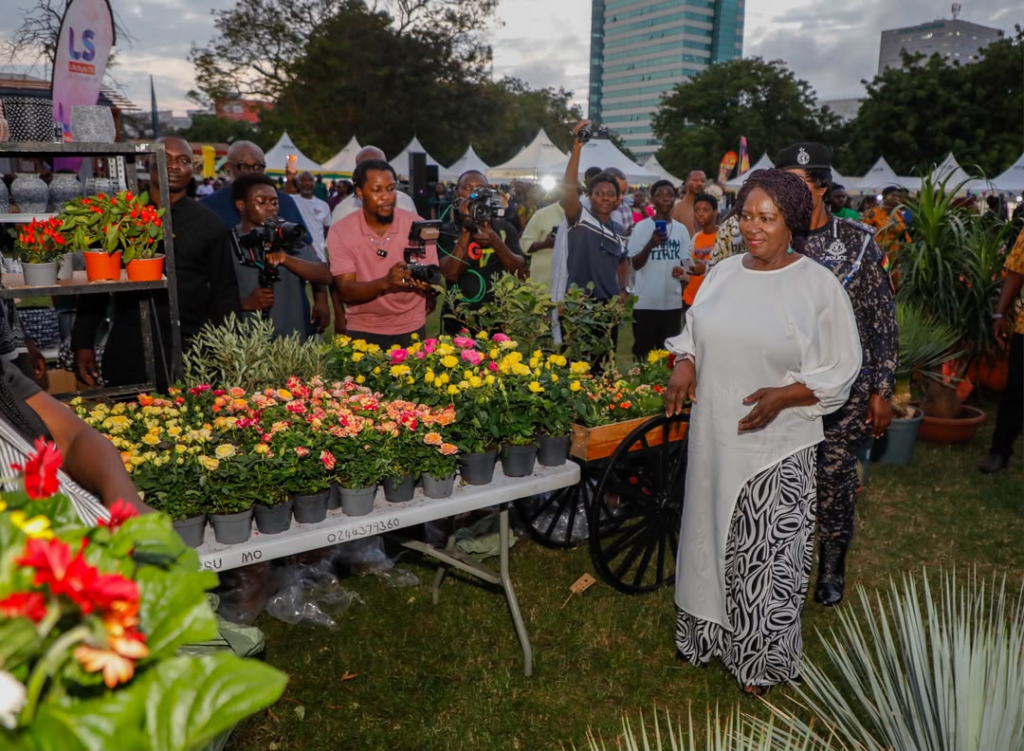
Vice President Prof Jane Naana Opoku Agyemang has challenged Ghana to build a competitive horticulture industry capable of creating jobs, expanding businesses and breaking into global markets.
She said Ghana has the capacity to replicate the success of countries such as Kenya if it develops the sector beyond the production of flowers and other horticultural products.
“Thank you very much for the references to Kenya. We know we can do same, if not more, can’t we?” she said.
Speaking on Saturday at the opening of the 14th Ghana Garden and Flower Show, Prof Naana Jane said horticulture represents a wider economic opportunity involving growers, skills, services, markets and livelihoods.
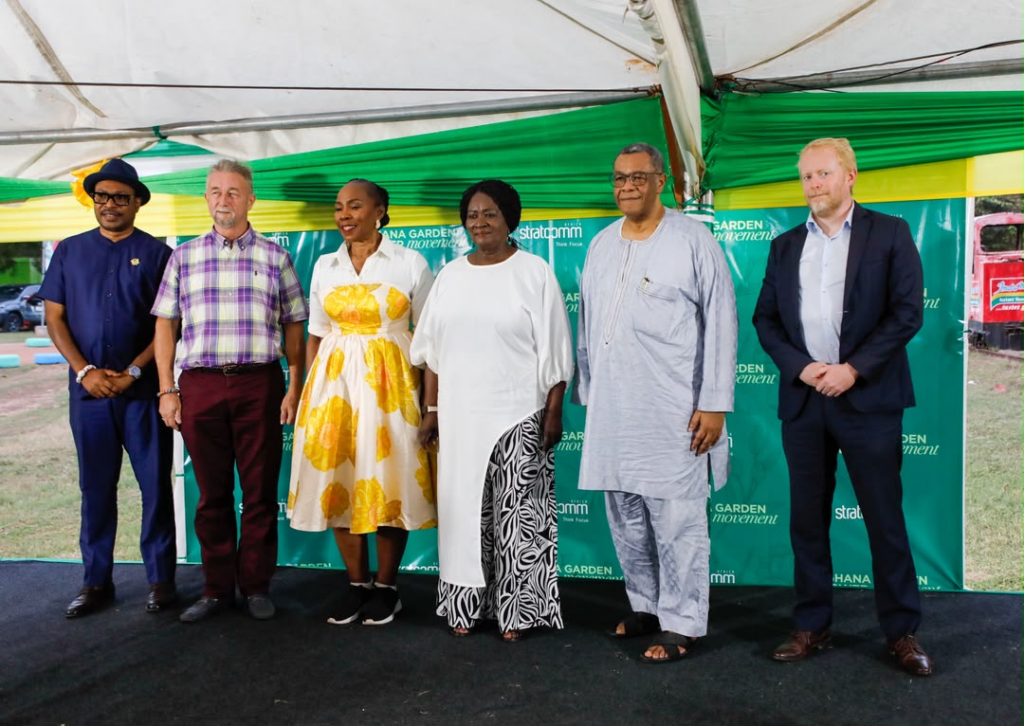
“The opportunity is to help more of these enterprises develop into sustainable businesses that can employ others, supply larger markets, and, where possible, compete beyond Ghana,” she said.
She stressed the need for Ghana to move beyond production and strengthen the entire horticultural value chain.
“Horticulture is demanding because much of what it produces sometimes is perishable. Therefore, without reliable transport, storage, quality standards, and access to markets, value may be quickly lost,” she said.
According to her, government agricultural programmes provide a foundation for expanding the industry.
“Under the Feed Ghana Program, vegetables are among priority crops, but with support for irrigation, improved inputs, greenhouse production, and better access to markets, we can do even more,” she said.
She added that farmer service centres being established across the country are expected to provide producers with export support, inputs, machinery and market linkages.
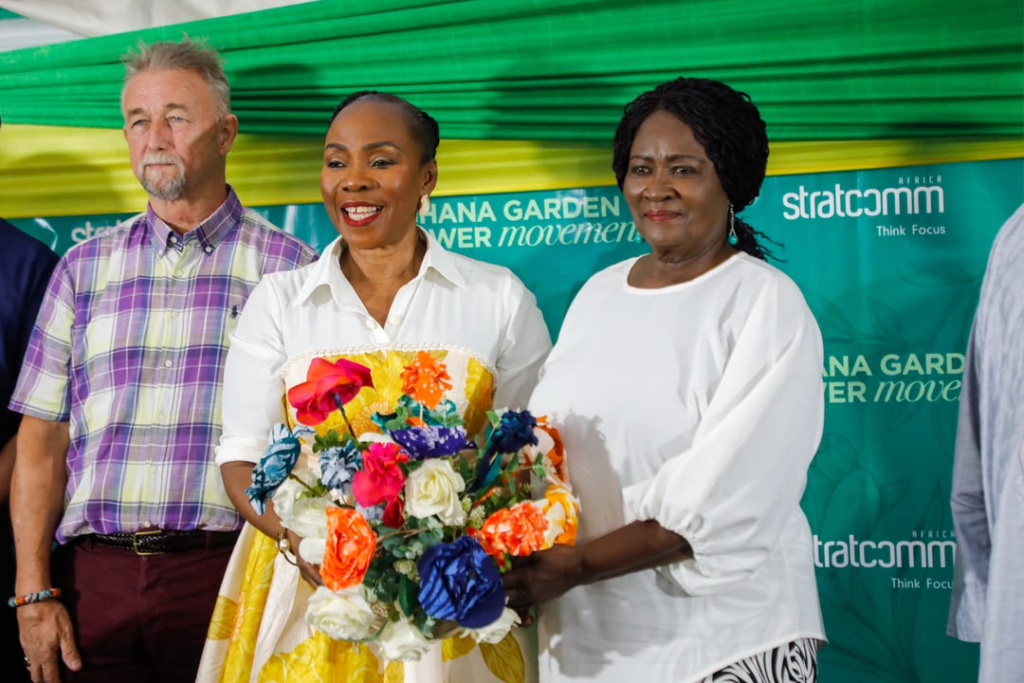
Prof Naana Jane also linked the expansion of horticulture to Ghana’s environmental agenda, saying the country must make greening an integral part of development.
“As part of the Tree for Life initiative launched by His Excellency the President, millions of seedlings are being planted, while our assemblies are being encouraged to work with parks and gardens to improve and maintain green spaces in our towns and cities,” she said.
She said young people, in particular, could benefit from opportunities created at the intersection of agriculture, technology, creativity and enterprise.
“The opportunity is not only to encourage young people to grow more, but also to help them to see the businesses they can build around their produce,” she said.
The Vice President also urged stakeholders to strengthen the standards, financing and market access required for Ghanaian horticultural businesses to compete internationally.
“We should build on these foundations,” she said.
She further called for greater collaboration among training institutions, financial institutions, the private sector and industry organisations to develop the sector.
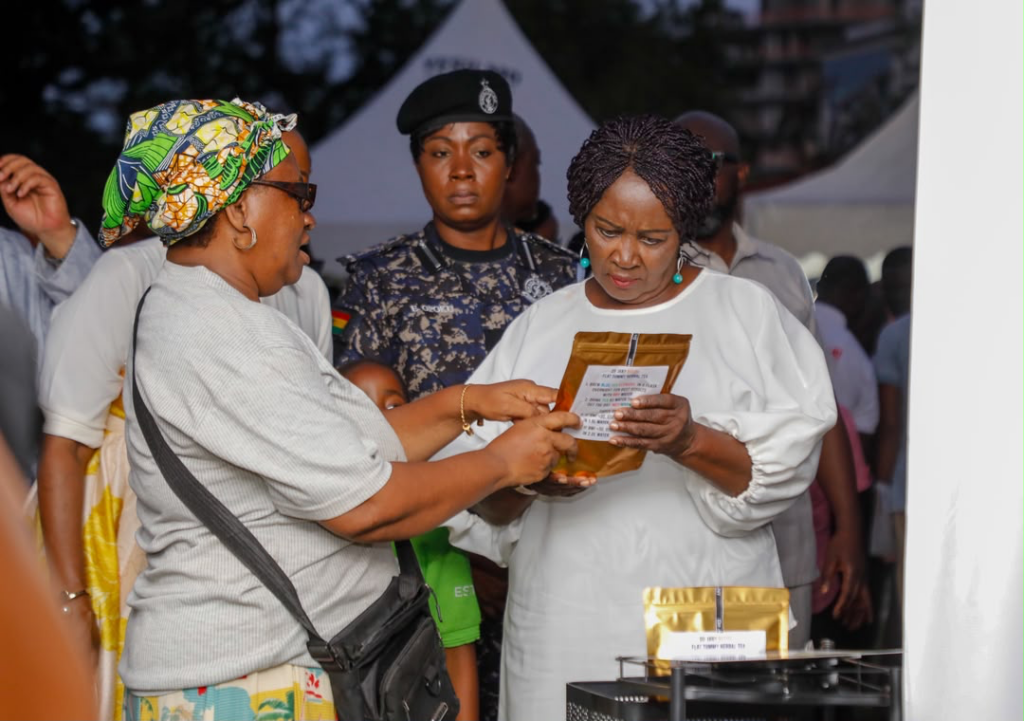
“Training institutions can develop the skills the sector needs. Financial institutions can support viable enterprises. The private sector can develop markets, and movements such as this one can continue bringing the industry together and making its possibilities visible,” she said.
Prof Naana Jane said the recent floods had reinforced the need for Ghana to take environmental protection seriously.
“Greening should therefore not be something we consider after development; greening should be part of development itself,” she said.
She congratulated Stratcomm Africa, the Ghana Garden and Flower Movement, exhibitors, and others who contributed to organising the 14th Ghana Garden and Flower Show.
DISCLAIMER: The Views, Comments, Opinions, Contributions and Statements made by Readers and Contributors on this platform do not necessarily represent the views or policy of Multimedia Group Limited.
Tags:
DISCLAIMER: The Views, Comments, Opinions, Contributions and Statements made by Readers and Contributors on this platform do not necessarily represent the views or policy of Multimedia Group Limited.
KioskNews shows a cleaned-up reading view extracted from the publisher’s page — the original always lives on their site, not ours.