SC commutes death sentence of man who raped, murdered 6-yr-old stepdaughter
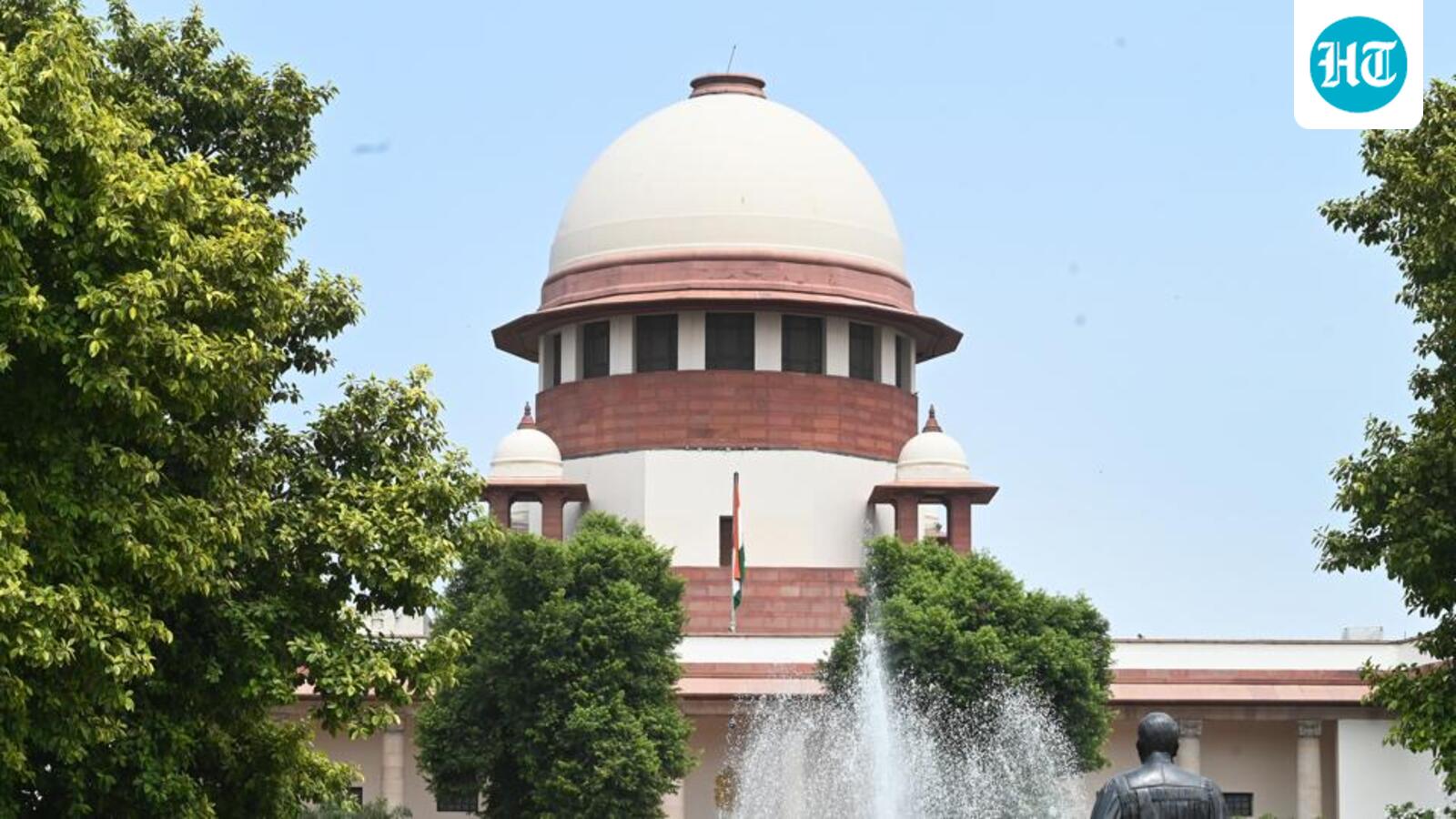
The Supreme Court on Thursday commuted death sentence of a man who raped and murdered his six-year old stepdaughter and directed him to remain in jail for the rest of his life without remission observing that when the protector turns predator, it strikes not only at the child but at the security of a family relationship.
The incident took place in Madhya Pradesh in 2018 for which the convict, Waris, was sentenced to death by the trial court and the high court. Upholding his conviction, the top court altered his death sentence after it noticed that the 56-year old man showed possibility of reform as he maintained good conduct in jail and had no criminal antecedents other than the present case.
However, what the court could not reconcile with was the helplessness of the victim and the position of the accused as a stepfather.
The bench headed by justice Vikram Nath said, “The appellant made the home the site of her violation and made himself the author of it. The betrayal of the trust reposed in a guardian, and the transformation of the protector into the predator, is an aggravating circumstance of a high order, for it strikes not only at the child but at the security of the familial relation itself, upon which the safety of every child depends.”
The child was raped for over months by the stepfather and when he suspected that she had shared this with her mother, he got infuriated and throttled her to death on April 21, 2018. Incidentally, this was the day when the Parliament introduced the Criminal Law (Amendment) Act, 2018 which introduced a new offence – section 376AB in the Indian Penal Code (IPC) which punished rape of a woman aged under 12 years with a minimum punishment of 20 years and a maximum punishment of death term. Waris was charged under this provision along with relevant provisions of Protection of Children against Sexual Offences Act (POCSO).
The bench, also comprising justices Sandeep Mehta and Vijay Bishnoi said, “The victim, silenced in life, is not silenced in law, and her voice, reaching the court through her mother and confirmed by the marks upon her body, bears witness to what was done to her.”
Besides the evidence of the girl’s mother, the court relied on the victim’s dying declaration where she disclosed to her mother the atrocities done to her by her stepfather. The court found the accused had three former wives who had left him owing to his violence.
By December 2018, the trial court sentenced him to death for the separate offences of murder under section 302 IPC and rape under section 376AB IPC. However, the top court noticed that on the same day, the trial court pronounced the order on conviction and sentence. As a result, no material relevant to the individualised assessment of the accused was made.
Before arriving at a conclusion, the top court directed a psychological evaluation of the convict and received a Mitigation Investigation Report that gave details about his troubled childhood, poor and deprived upbringing, and incidents during the eight years of incarceration he suffered as part of his death sentence. Even a medical board examined him at Central Jail, Ujjain which found him physically and mentally fit.
While the horrific crime had several aggravating circumstances, the court balanced it with the mitigating factors, primarily the fact that he had no criminal antecedents, no disciplinary record in jail and his satisfactory conduct with other prisoners.
“We accordingly commute the sentence of death imposed upon the appellant for the offences under Section 302 and Section 376AB of the IPC to a sentence of imprisonment for the remainder of his natural life, that is, imprisonment for life which shall extend to the whole of the remainder of his natural life and upon which no remission shall be granted,” the court held.
KioskNews shows a cleaned-up reading view extracted from the publisher’s page — the original always lives on their site, not ours.