Hackers already targeting UK supermarket freezers, cybersecurity chief warns
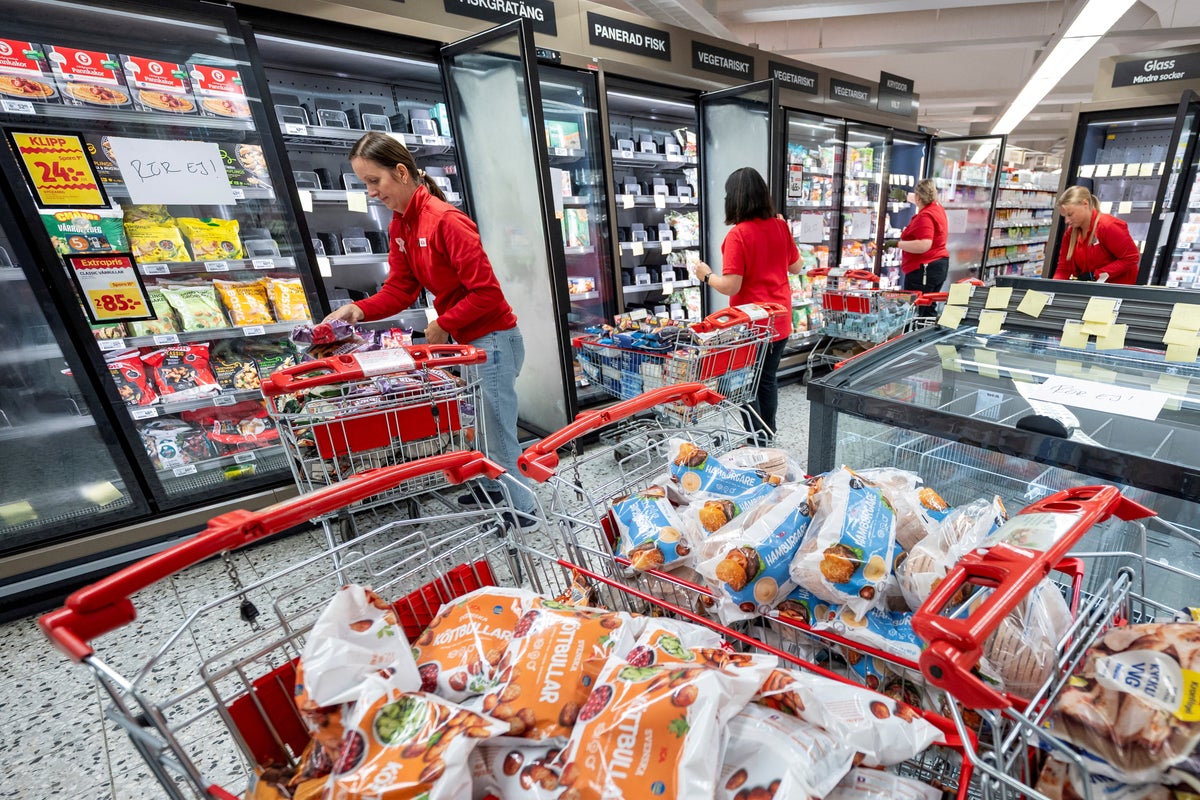
A small number of UK freezers were impacted in a suspected hack that saw fridge and freezer temperatures spike across Europe, Britain’s cybersecurity chief has said.
Dr Richard Horne, head of the National Cyber Security Centre (NCSC), said there was evidence of “a couple of impacts” within the food supply chain in the UK and that vulnerable technology had been “exploited”.
Speaking on BBC Radio 4’s Today programme, he urged businesses to ensure their technology was kept up to date and secure as he warned operational systems in the UK had “not been invested in to the extent it needs to be”.
Supermarket giants across Europe were hit by an IT incident, causing temperatures to soar in fridges and freezers across Belgium, Ireland, and Sweden. Swedish grocers ICA and Coop, as well as an Ikea superstore also reported similar temperature increases, with one store explicitly blaming a cyberattack.
“That technology base that we rely on as a society has not been invested in to the extent it needs to be,” Dr Horne said, adding that many organisations had extended systems beyond their end of life or not kept vital computer systems upgraded.
“That leaves a whole load of vulnerabilities that now AI, in the hands of our adversaries, can enable them to find with ease and exploit.”
He said it was “too early” to say who was behind the attack, and would not be drawn on whether a state or criminal groups could be responsible.
“It’s not just supermarkets, it’s through the whole food supply chain, and we’ve been working through the night alerting organisations where we can see they’ve got exposed technology that is vulnerable in this way. So there are handfuls of organisations in the UK we’ve alerted, and we’re aware of a couple of impacts we think.”
Dr Horne added we “don’t know the full impact” but that there are “a couple of instances where vulnerable technology has been exploited”.
He warned similar hacks could target energy and water supplies and urged every business to make sure its cybersecurity was up to date.
Paul Chichester, director of operations at the NCSC, also said it is aware of cyber attacks affecting the UK meat processing industry. He said that nationally the impact is minimal and the NCSC is working with the businesses affected.
It is also working with other firms “identifying existing vulnerabilities in the UK and trying to get those closed before somebody exploits them”, he said.
It comes as the NCSC warned that the country would face cyberattacks involving artificial intelligence-powered malware on its key infrastructure, including airports, hospitals, and power stations within two years.
In his annual address, Dr Horne said hostile actors are “highly likely” to use AI to increase the scale and efficiency of their cyberattack operations.
“For decades, we have collectively got away with doing tech on the cheap,” he said on Monday. “In the coming months, we face a real prospect of an unprecedented rise in the number of cyber incidents.”
Russia and China would start using AI more “routinely” in cyberattacks, the report warned, adding that Chinese cyber activity is the “most sophisticated and sustained cyber challenge facing the UK”.
“Vulnerabilities that have been tolerated for far too long can now be discovered and exploited at a scale that was once unimaginable,” Dr Horne said in a speech, ahead of the launch of NCSC’s State of the Cyber Nation report.
Defence secretary Wes Streeting has also urged UK households to keep a stockpile of food in case of power cuts, flooding, or other national emergencies.
An NCSC spokesperson said: “NCSC is supporting any UK companies that may be impacted by this incident. We continue to liaise with our international partners and the affected sectors to understand and mitigate its impact.”
A Downing Street spokesperson said the government “takes the security and resilience of the UK's critical systems extremely seriously”.
“We have strong capabilities in place to identify and respond to cyber threats, and we're investing significantly in securing the nation's cyber defences,” they added.
KioskNews shows a cleaned-up reading view extracted from the publisher’s page — the original always lives on their site, not ours.