Sri Lanka suffers nationwide electricity blackout
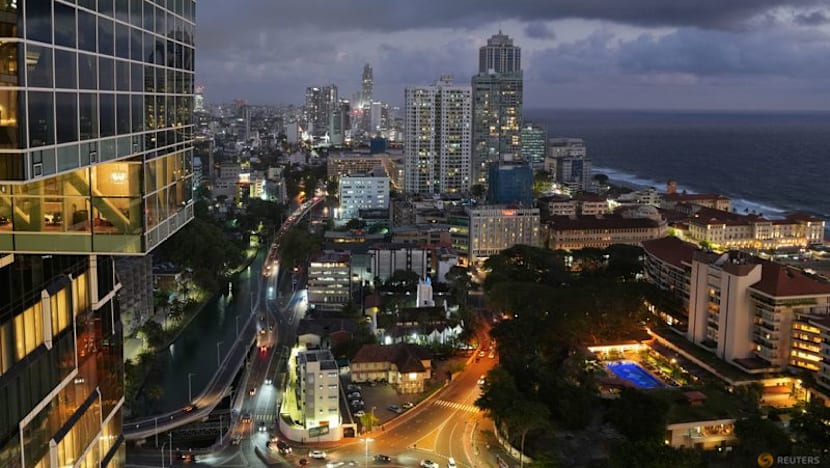
COLOMBO: Sri Lanka suffered a nationwide electricity blackout on Saturday (Oct 17) after the national grid tripped, possibly because solar power generation exceeded consumption, officials said.
The country was without grid power for more than two hours, with no clear timeline for when electricity would be restored.
State-run Electricity Distribution Lanka (EDL) said engineers were working to fix a fault affecting the entire grid, and suspected excess solar power had caused the breakdown.
Energy Minister Anura Karunathilaka said authorities hoped to restore supplies "stage by stage".
"We request rooftop solar system owners to disconnect their systems until further instructions in order to support the restoration efforts," he said in a brief statement.
The entire grid shut down in February 2025, when solar power generation exceeded consumption on a bright, sunny Sunday. It took more than six hours to restore supplies.
Sri Lanka has an installed solar power capacity of just over 3,000 megawatts, while daytime demand ranges from 2,000 to 2,500 megawatts.
Tax concessions have encouraged consumers to switch to solar and sell their surplus electricity to the grid, creating imbalances that the utility provider is struggling to manage.
The government aims to increase solar power generation capacity to nearly 4,400 megawatts within three years - a 388 per cent increase from 2024.
KioskNews shows a cleaned-up reading view extracted from the publisher’s page — the original always lives on their site, not ours.