1,827 suspects arrested over goonism, organised crime in eight months
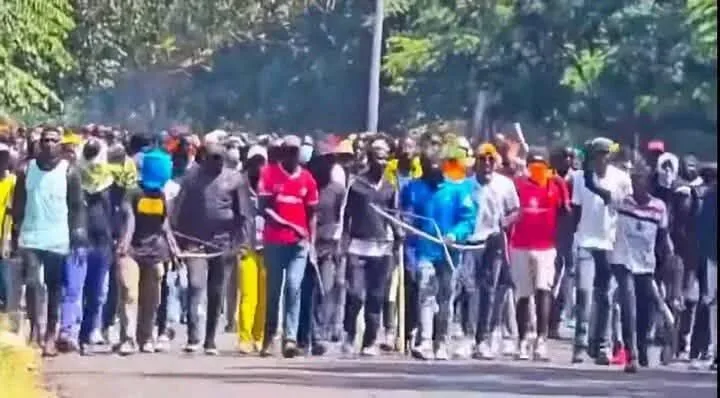
NAIROBI, Kenya, Oct 6— Security agencies have arrested and arraigned 1,827 suspects over goonism and organised criminal activity in an eight-month crackdown as the government intensifies efforts to dismantle criminal networks ahead of the 2027 General Election.
The suspects were arrested between January 1 and August 31, 2026, with Trans Nzoia recording the highest number at 491, according to Internal Security Principal Secretary Raymond Omollo.
During the same period, authorities secured 729 convictions, while 716 cases remain before the courts, indicating that the crackdown has extended beyond arrests to prosecution and convictions.
“These figures show that the response goes beyond arrests to investigation, prosecution and conviction,” Omollo said.
The crackdown comes amid growing government concern over criminal gangs and organised groups involved in violence, intimidation, extortion and other criminal activities.
The government has identified 109 organised criminal gangs and groups across the country, up from the 89 groups declared illegal in 2016.
Omollo said security agencies were changing their approach by targeting the networks that sustain organised crime rather than focusing only on individual offenders.
“Security agencies have shifted their focus from individual offenders to the networks that allow criminal activity to survive and regenerate,” he said.
Through intelligence-led policing, investigators are targeting gang leaders, recruiters and financiers while linking cases and establishing connections between seemingly separate incidents.
The government said financial investigations are also being pursued to trace proceeds from extortion, robbery, illegal businesses and other organised criminal activities.
The crackdown comes as the government raises concern over the use of organised youth groups for political intimidation, attacks and harassment ahead of the 2027 General Election.
Omollo said security agencies would remain alert to attempts to mobilise criminal gangs or organised youth groups for political violence.
“Those who recruit, finance or direct such groups will be held to account alongside those who carry out the violence,” he said.
The Inspector-General of Police has directed Regional Police Commanders to take firm, decisive and lawful action against criminal gangs and organised violence in their areas of command.
The government also warned that officers found, through due process, to have facilitated criminal activity or failed to take appropriate action would face administrative or disciplinary action.

Bruhan Makong is a Senior News Reporter for Capital FM in Nairobi, covering diplomacy, foreign policy, national security, climate, and human rights across East Africa and the wider region.
KioskNews shows a cleaned-up reading view extracted from the publisher’s page — the original always lives on their site, not ours.