Betting on AI and robotics, Dyson opens Glilot flagship store in Israel
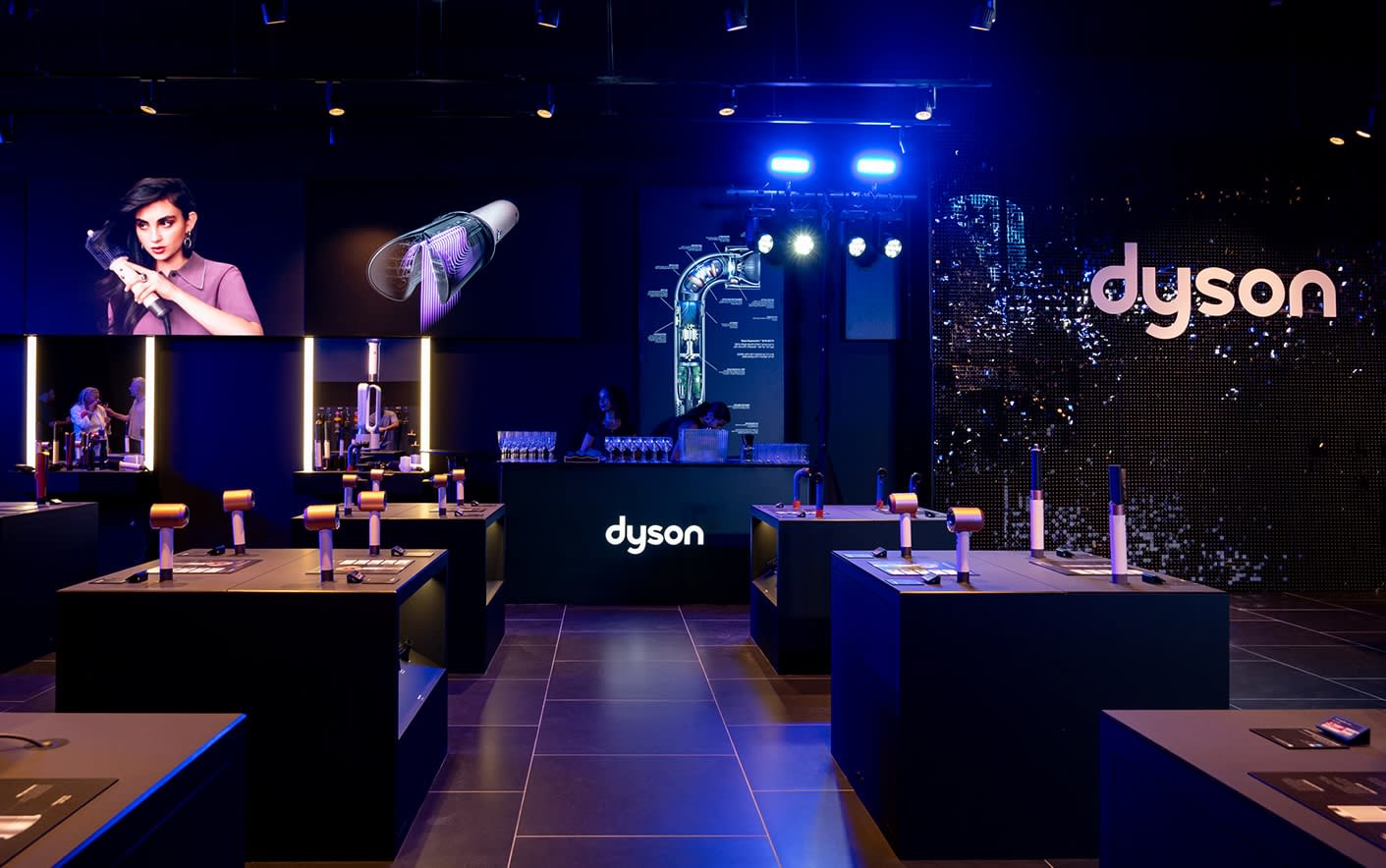
Dyson has opened a new flagship store at BIG FASHION Glilot, north of Tel Aviv, showcasing its latest developments in artificial intelligence (AI), robotics, and personal care technology as the British company looks to push household appliances beyond traditional mechanical engineering.
The store features the company’s newest products, including the Spot+Scrub AI robotic cleaner, Airwrap Co, Airsmooth hot air brush, and CameraJet electric toothbrush. The opening also provided a platform for Dyson to demonstrate how it is incorporating advanced sensing systems, computer vision, and automation into products designed to address everyday household problems.
Guy Turner, a design engineer on Dyson’s robotics team in Singapore, spoke with The Jerusalem Post about the engineering behind the company’s latest developments, describing a shift toward smart machines that can understand their surroundings and respond without requiring constant human intervention.
“We believe solving problems in the home is about sensing and perceiving what you want to clean, and creating products for problems that already exist,” Turner said.
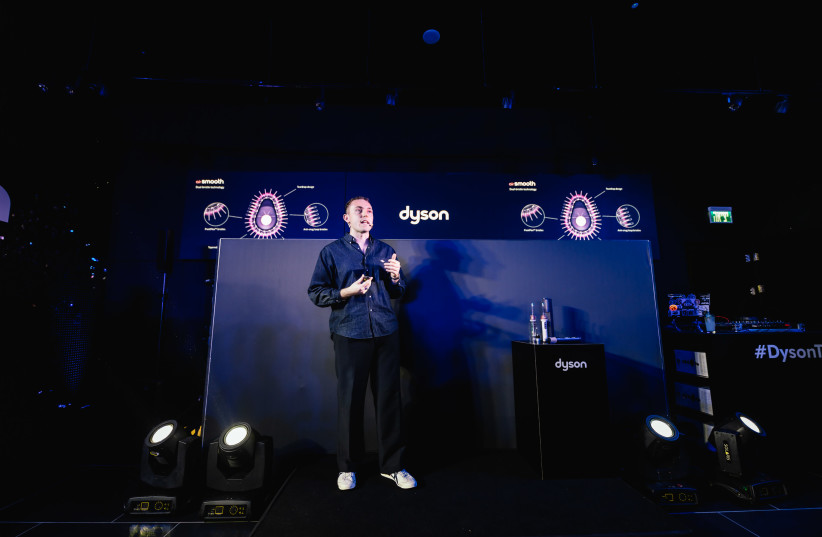
He explained that the company’s philosophy is to look for products and tasks that have not undergone significant change and find ways to rethink them.
“Dyson likes to find new ways to solve problems in products that haven’t seen change in a while,” he said. “The goal is to remove problems, not make new ones.”
That approach has defined Dyson’s development for more than three decades. Its founder, James Dyson, went through 5,126 failed prototypes before developing the company’s first bagless vacuum cleaner, a breakthrough that helped establish the company.
“Since DC01, our first bagless vacuum cleaner, Dyson has spent more than 30 years solving the problems others ignore,” Turner said. “That started with mechanical innovation: bagless cyclonic separation, high-speed digital motors, and bladeless airflow. Today, we’re increasingly combining mechanical engineering with connectivity, sensor systems, and on-product intelligence.”
Teaching robots to understand their surroundings
One of the central challenges in the company’s robotics development is enabling machines to navigate intelligently while cleaning effectively.
The Spot+Scrub AI, one of the products demonstrated at the Glilot opening, combines wet and dry cleaning with AI-powered vision systems designed to identify dirt, debris, and stains.
The robot uses an HD front-facing camera, green LED illumination, LiDAR, and dual-laser sensing to identify objects and navigate indoor environments. According to Dyson, it can recognize nearly 200 household objects, including cables and socks, and adjust its cleaning behavior accordingly. Its ability to identify stains and return to them repeatedly is particularly important. Rather than simply following a predetermined cleaning route, the robot detects dirty areas and continues scrubbing them until they are clean.
“Spot+Scrub AI detects a dirty area and does it persistently until it’s gone,” Turner explained.
Users can schedule cleaning, view home maps, and request targeted cleaning through the MyDyson app.
Bringing intelligence to personal care
Dyson’s interest in applying technology to established product categories also extends to personal care.
The company presented its new CameraJet electric toothbrush, which Turner described as an attempt to address a problem that has remained largely unchanged despite decades of developments in oral-care technology.
“The electric toothbrush has been around for about 30 years,” he said, pointing to the fact that many people still do not floss or spend enough time on dental hygiene as an opportunity for innovation.
The CameraJet combines a camera with water-jet technology, allowing users to see how they brush through a live feed on a connected app. The system is designed to provide dental hygiene guidance and help users improve their brushing technique.
Turner said the camera incorporates a macro lens capable of capturing approximately 100,000 pixels across a one-millimeter-by-one-millimeter area, allowing users to see details that would otherwise be difficult to observe. The toothbrush also has a live feed where users can watch how they brush.
The toothbrush is expected to become available in Israel during the first half of 2027.
Another product on display was the Dyson Airsmooth, a hot air brush designed to dry, smooth, and lift hair in one step, highlighting the company’s continued expansion into beauty technology.
Israel’s technology-minded consumers
Turner said Dyson sees Israel as an attractive market for its products, citing consumers’ strong interest in technology and willingness to adopt innovations.
“There’s a passion for technology in Israel. Consumers here are very tech-savvy,” he said.
Although Dyson has no engineering and development base in Israel, its international operations include its headquarters in Singapore and research and innovation activities in the UK, alongside engineering teams in other countries.
The company, founded in the UK in 1993, employs approximately 14,000 people worldwide, including 6,000 engineers, and sells products in 85 markets.
The new Glilot store is intended to give Israeli consumers an opportunity to experience the company’s latest products through interactive displays and live demonstrations, while offering a glimpse into the direction Dyson believes household technology is heading.
KioskNews shows a cleaned-up reading view extracted from the publisher’s page — the original always lives on their site, not ours.