Soaring costs in Iran could spur more diplomacy between Tehran and Washington
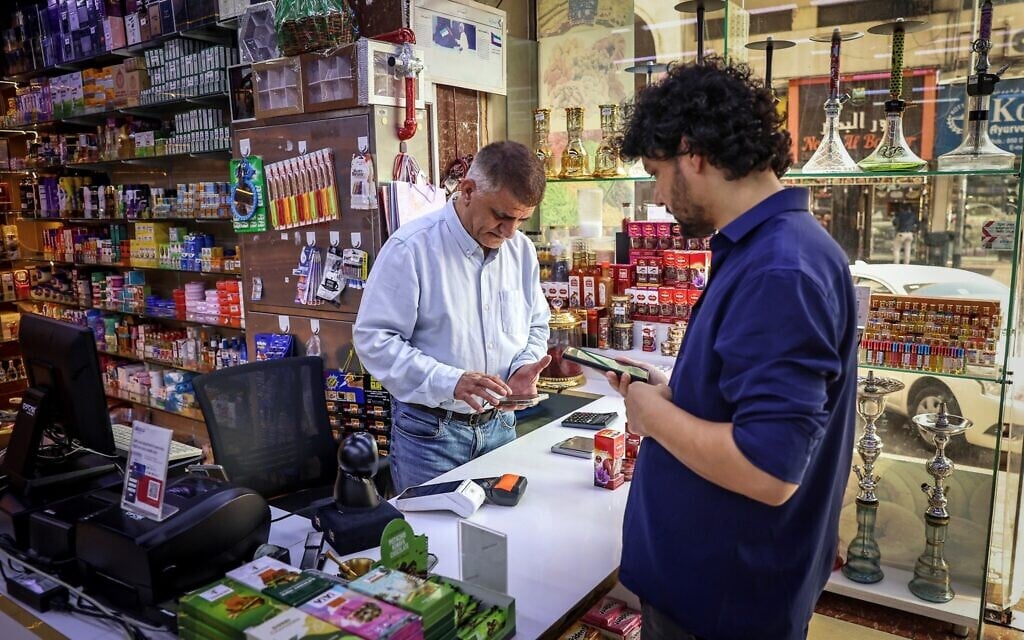
LONDON, United Kingdom (Reuters) — Iran’s leaders may radiate bullishness in their war with the United States, but life is becoming ever tougher for ordinary citizens unable to afford basic necessities or rent as a US blockade cuts the state’s financial lifeline – oil exports.
From an engineer forced out of Tehran by high rent to a woman forced to stop smoking because of the price of cigarettes and carers struggling to buy medicines, all areas of daily life are affected.
“I’m forced to sell my items with a very small and negligible profit, yet I can’t close my business because then I’d be unemployed,” said Behnam Riazi, a restaurant owner interviewed on camera in Tehran.
0:00 / 0:00
Promoted: Bridges for Peace

Riazi cannot raise his prices because his customers cannot pay more — most anyway buy only necessities now.
How far economic strains may push Iran towards diplomatic compromise is unclear, as it tightens its own stranglehold on Gulf energy exports through the Strait of Hormuz, driving up oil and gas prices in the US and around the world.
Get The Times of Israel's Daily Edition by email and never miss our top stories
By signing up, you agree to the terms
Economic misery may spur diplomacy
However, the latest burst of diplomacy was partly spurred by economic strains, US, Middle Eastern and Iranian sources said last week. Iranian officials have repeatedly expressed fears of unrest, and cracked down ruthlessly on rumblings of dissent.
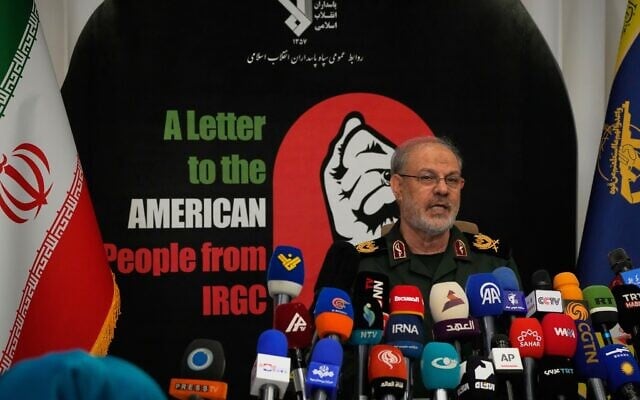
In January, over a month before the US and Israel began their war on Iran, authorities killed thousands of demonstrators exasperated by years of cumulative economic distress.
But now, all those Reuters spoke to said they had too many daily worries to think about protesting.
Hediyeh, a housewife in her 60s in northern Iran, survives on her husband’s civil service pension. She can barely afford medicine or even the adult diapers needed by her elderly mother, who has Alzheimer’s disease. She wanted to buy her grandson a new bag for his first day at school this fall, but it cost five or six times what she had expected, and in the end she could only buy him a notebook and pencils.
Like most of the Iranians Reuters interviewed by phone or messaging app, she did not want to be identified, fearing punishment for speaking to foreign media.
A.J., a teacher who asked only to be identified by his initials, also said he cannot always afford the medicine his mother needs.
He has already moved in with his mother and siblings in a northern village, leaving Tehran after schools moved online because of the war, but fears he will no longer be able to afford to return if in-person teaching resumes.
In Sanandaj, capital of Kurdistan province, 34-year-old psychotherapist Nazanin has given up smoking because of the cost after having previously found it impossible to do so, she said.
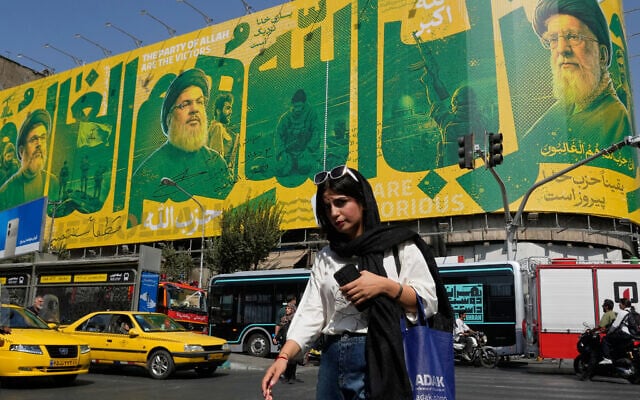
Those who can afford to bypass the usual ways of obtaining goods or services through the black market are finding it has become more pervasive, though the cost has gone up.
One man said he had paid $200 in hard currency to a surgeon to get around the bureaucratic process needed for an operation.
Another said police requests for bribes were growing more frequent, and that he had had to pay more than before after being stopped at a checkpoint without identification papers.
Jobs being cut in private sector
An architect, who only gave his initials A.A., said even wealthier Iranians were cutting back: “All of them have become poor relative to the lifestyle they used to have.”
His car had a puncture last week and he is having to drive on a spare tire for the two weeks it takes to get a cheap replacement; he can no longer afford those available immediately.
He worries that Iran is heading for fuel shortages, which could disrupt supply chains and cause wider economic havoc.
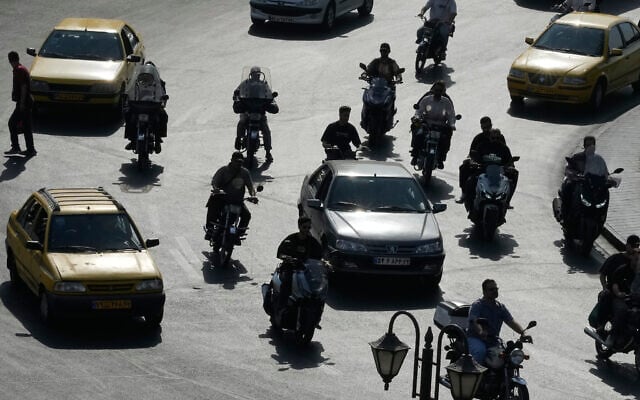
Already, the war is causing heavy job losses across the private sector.
M.H., a woman in Tehran who also asked to be identified only by her initials, said she had lost her job this month in the procurement department of a local business even though her one-year contract had only been renewed the previous day.
She now has to return the money the company had paid into Iran’s social security system for the coming year. Her family has strictly prioritized spending, with food at the top.
“Thank goodness we can still afford the internet, so we can stay connected online, maybe watch a film,” she said.
Bijan, 40, a former engineer who now offers tuition to students to make money, said he and his wife had left their Tehran flat and moved to an area he described as “half slum” outside the capital.
The couple have exhausted their savings and plan to move to another city where they hope to live more cheaply.
Shop owners see the slide in living standards better than most. Ramin Yousefnia said in an on-camera interview in Tehran that all the customers in his grocery shop had cut down.
“Something they used to buy five or 10 of, they can only buy two of now,” he said. “Don’t even get me started on savings. This is the reality.”
Help us report truthfully on social media

As a multimedia journalist, my job is to take the quality, fact-based journalism produced by The Times of Israel newsroom and make it accessible across every platform — from Instagram posts to podcasts to short-form videos.
This is how many, especially young people, consume news these days. But misinformation is rampant on social media. Our team at ToI produces accurate, responsible short-form reporting on Israel and the Jewish world.
If you believe in the importance of factual social media journalism, please consider joining our reader support group, The Times of Israel Community. Your financial support is essential to sustain responsible multimedia reporting.
— Gabriella Jacobs, multimedia journalist
Support our work Support our work Already a member? Sign in to stop seeing this
KioskNews shows a cleaned-up reading view extracted from the publisher’s page — the original always lives on their site, not ours.