A third of UK electorate may vote tactically because they are ‘terrified’ of Reform
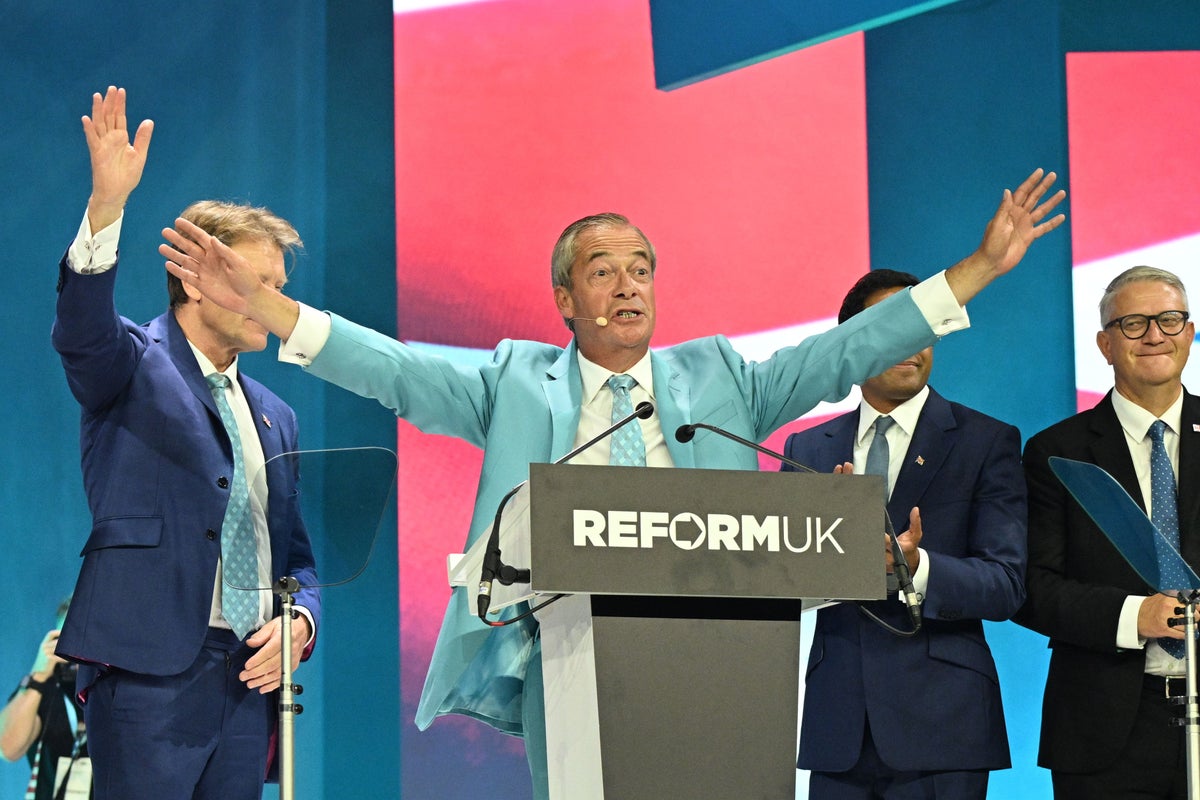
A third of British voters are now prepared to vote tactically at the next general election as fear of a Reform UK government continues to fuel British politics.
A More in Common survey on tactical voting revealed that 32 per cent of all voters would look to vote tactically.
The survey was taken before the news that Reform had received two major donations from crypto billionaires Ben Delo and Christopher Harborne totalling £72 million. However, it was conducted after Reform had faced questions over donation scandals, including an investigation by the parliamentary standards commissioner into Nigel Farage.
However, Luke Tryl, director of More in Common, noted many voters are “terrified” of a Reform government, and the results of the survey continue a growing trend of tactical voting, especially on the left.
The increase in tactical voting is set to help parties on the left as voters move to block Reform, with more than 50 per cent of supporters of Labour (51 per cent), the Lib Dems (54 per cent) and Greens (51 per cent) prepared to vote tactically.
In contrast, Conservative voters (35 per cent) and Reform voters (30 per cent) are much less likely to vote tactically.
Remarkably, the findings also show that as many as 53 per cent of Lib Dems and 49 per cent of Labour supporters would consider voting Tory, mostly to stop Reform from winning.
The prospect of a left-wing coalition government is also boosted by the fact that between 60 and 80 per cent of Labour, Liberal Democrat and Green voters are willing to vote tactically for at least one of the other progressive parties.
Mr Tryl said: “Tactical voting has begun to play a more decisive role in our politics.”
He noted it had been decisive in recent by-elections in Caerphilly, Makerfield, Gorton and Denton and even for Count Binface in Clacton, where voters got behind a “stop Reform” candidate.
He added: “We have seen ruthless tactical consolidation against Reform, with the right struggling to build tactical coalitions in the same way.
“Our research confirms this shift. Progressive voters, especially young voters and graduates, have become increasingly willing to vote tactically. Majorities of Green, Labour and Liberal Democrat voters are now willing to do so. Right-leaning and older voters are less willing to do so. Restore and Reform voters say they are the least open to voting tactically.”
He also warned the research showed a Conservative/Reform pact or merger would see their collective votes slashed.
“Our research also challenges the idea that Conservatives and Reform form one tactical right bloc, with Conservative voters more willing to tactically vote for the Liberal Democrats than Reform,” he explained.
“But interestingly, there is an asymmetry here: while fewer than half of Conservative voters would lend their vote to Reform, six in 10 Reform voters would be willing to tactically vote Conservative.”
He added: “It’s possible that tactical voting could prove a barrier to Farage’s chances of entering Number 10.
“In focus groups, we’ve heard from some progressive voters who say they are ‘terrified’ of a Reform government, and would be willing to vote for anyone to keep them out. A left willing to vote ruthlessly and tactically, and a right unwilling to unite behind Farage, could prove one of Reform’s greatest challenges at the next election.”
KioskNews shows a cleaned-up reading view extracted from the publisher’s page — the original always lives on their site, not ours.