The real value of Malaysia’s fuel subsidy — Nurul Fardini Zakaria
OCTOBER 25 — When global oil markets become volatile, Malaysian consumers face a different reality at the petrol station. For eligible recipients under the Budi Madani RON95 (BUDI95) programme, RON95 petrol remains priced at RM1.99 per litre, compared with the unsubsidised price of RM4.32 per litre for the period from October 22 to 28, 2026.
That difference is more than a figure displayed at the pump. It raises a broader question about consumer welfare: how does fuel price protection help households manage everyday expenses, and how can that support remain fair and financially sustainable?
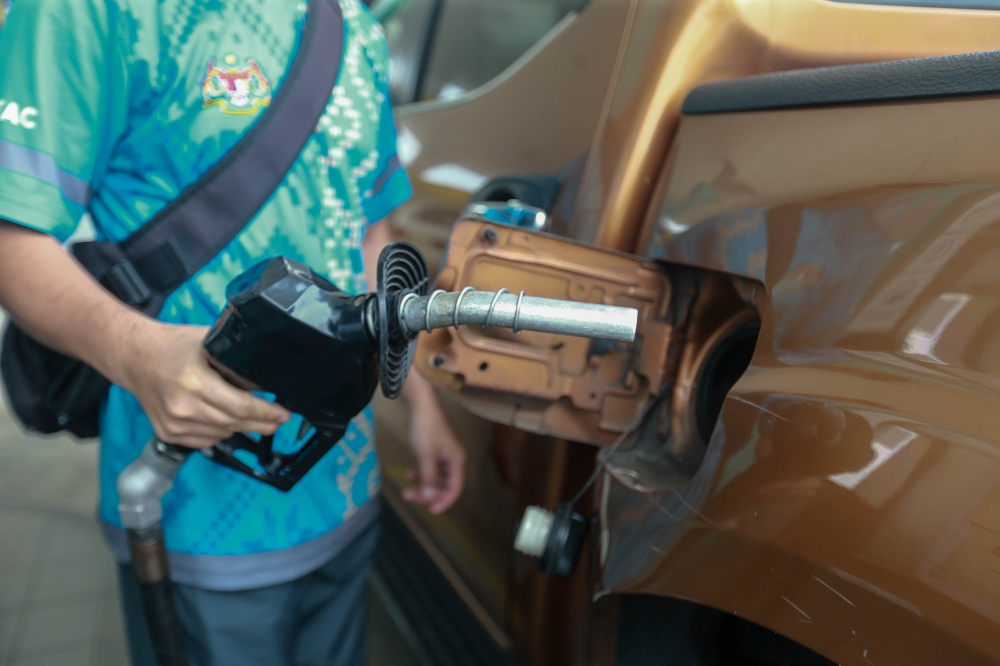
Yesterday, Prime Minister Datuk Seri Anwar Ibrahim announced a temporary adjustment to the quota for the Budi Madani RON95 (BUDI95) programme from 300 litres to 200 litres per month, effective April 1. — Picture by Sayuti Zainudin
More than a price at the pump
For many Malaysians, petrol is an essential household expense. It enables people to commute to work, take children to school, attend medical appointments and meet other daily responsibilities. For households that depend on private vehicles, a predictable fuel price can make budgeting easier and reduce uncertainty when planning other essential spending.
From a consumer behaviour perspective, this predictability matters. When people have a clearer idea of a recurring expense, they can make more informed decisions about how to allocate limited household income. A subsidy can therefore provide practical relief, particularly where affordable and reliable public transport is not readily available.
However, a stable petrol price should not be mistaken for overall price stability. The prices of food, housing and other necessities are shaped by many factors, including labour costs, exchange rates, logistics, supply conditions and competition. Fuel is one part of the cost-of-living picture, not its only driver.
Balancing consumer protection and public spending
Fuel subsidies can cushion eligible consumers from some of the immediate effects of changes in international energy markets. But this protection comes at a public cost. For the week of October 22 to 28, the difference between the unsubsidised RON95 price and the BUDI95 price is RM2.33 per litre. This illustrates the scale of support provided at the point of purchase, while also highlighting the importance of responsible public spending.
The policy challenge is not simply to decide whether subsidies are good or bad. It is to consider who benefits, whether assistance reaches those who need it, and how the government can sustain support alongside other public priorities such as healthcare, education and public transport.
Targeted assistance can help focus public resources on eligible consumers, but its effectiveness depends on clear rules, accessible implementation and transparent communication. People need to understand who qualifies, what limits apply and how the policy works. Support should also be reviewed with attention to households whose circumstances make them particularly vulnerable to increases in living costs.
Looking beyond fuel prices
Fuel subsidies are only one element of consumer protection. Businesses should provide clear and fair pricing, while policymakers should monitor market conditions and communicate changes in a way that consumers can understand. It is important not to assume that every increase in the price of fuel must lead directly to an increase in the price of every good or service. The relationship depends on the role of fuel in production and distribution, as well as on other market conditions.
Over the longer term, better public transport and greater energy efficiency can give households more choices and reduce dependence on fuel-intensive travel. These measures should complement immediate assistance, rather than leave individuals to bear the burden of adjustment on their own.
Measuring the real value of subsidies
The value of Malaysia’s fuel subsidy should not be measured solely by the price consumers pay per litre. It should also be assessed through household affordability, the fairness of assistance, the clarity of its delivery and the responsible use of public funds.
A subsidised price can offer meaningful protection in an uncertain energy market. The task is to ensure that this protection remains well targeted, transparent and sustainable. Regular evaluation can help policymakers understand whether assistance is easing pressure on household budgets and whether its benefits are reaching the people it is intended to support.
Ultimately, fuel subsidies are not merely about the price of petrol. They are part of a wider conversation about consumer welfare, economic resilience and the relationship between public policy and everyday life. The real value of a subsidy lies not only in what consumers save today, but also in whether the policy can continue to support households fairly and responsibly over time.
*Nurul Fardini Zakaria is a Senior Lecturer in Marketing at the School of Business Management, Universiti Utara Malaysia (UUM), with expertise in consumer behaviour, digital marketing, sustainable consumption and consumer welfare.
** This is the personal opinion of the writer or publication and does not necessarily represent the views of Malay Mail.
KioskNews shows a cleaned-up reading view extracted from the publisher’s page — the original always lives on their site, not ours.