PunchOndo: Police arrest suspected producer of killer herbal drinksRTP DesportoBenfica reencontra Amorim em Milão e Torreense faz estreia europeiaThe Jerusalem PostIranian nuclear chief blocked from IAEA conference in Vienna following US pressure - reportESPNTransfer rumors, news: Arsenal keeping tabs on Liverpool teen Ngumohaוואלה"הדברים הללו שקריים לחלוטין" | תגובת דובר צה"ל באנגלית לסרט "נז"א"CNN Türkİngiltere’de Hull City rüzgarı: Premier Lig'de kalıcı olacağını gösterdiInquirerPCG searches for fisherman after boat found burning off BatangasUOLPodcast trata do fim do sigilo de inquéritos do caso Master e discute novas tensões no STFHet Laatste NieuwsDaar is de zomer weer: kwik stijgt morgen naar 26 gradenIl Fatto Quotidiano“Il cielo l’abbiamo aperto noi per gli Stray Kids a Rock in Rio”: la fondazione degli sciamani anti-pioggia canta vittoria. Peccato che nessuno le abbia chiesto niente (forse)CBS NewsOil prices near 4-month high as Iran and Oman delay Strait of Hormuz talksBBC NewsMPs and Lords call for new law to address AI threat to human rights
The Daily Newsstand · Free, Always
Monday, September 14, 2026

Himalayan ‘glacier bankruptcy’ threatens water security for 2 billion in Asia
Translate

The Himalayas are approaching a tipping point as glaciers melt faster than a decade ago, threatening water security as the region approaches “peak water” by mid-century, according to a study released this month.

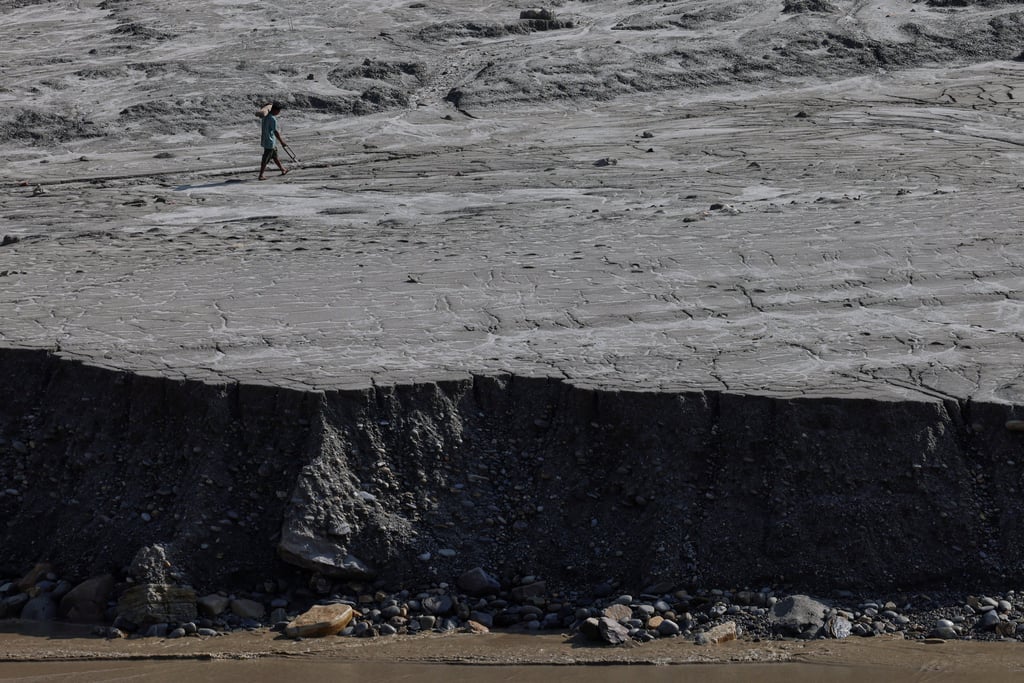
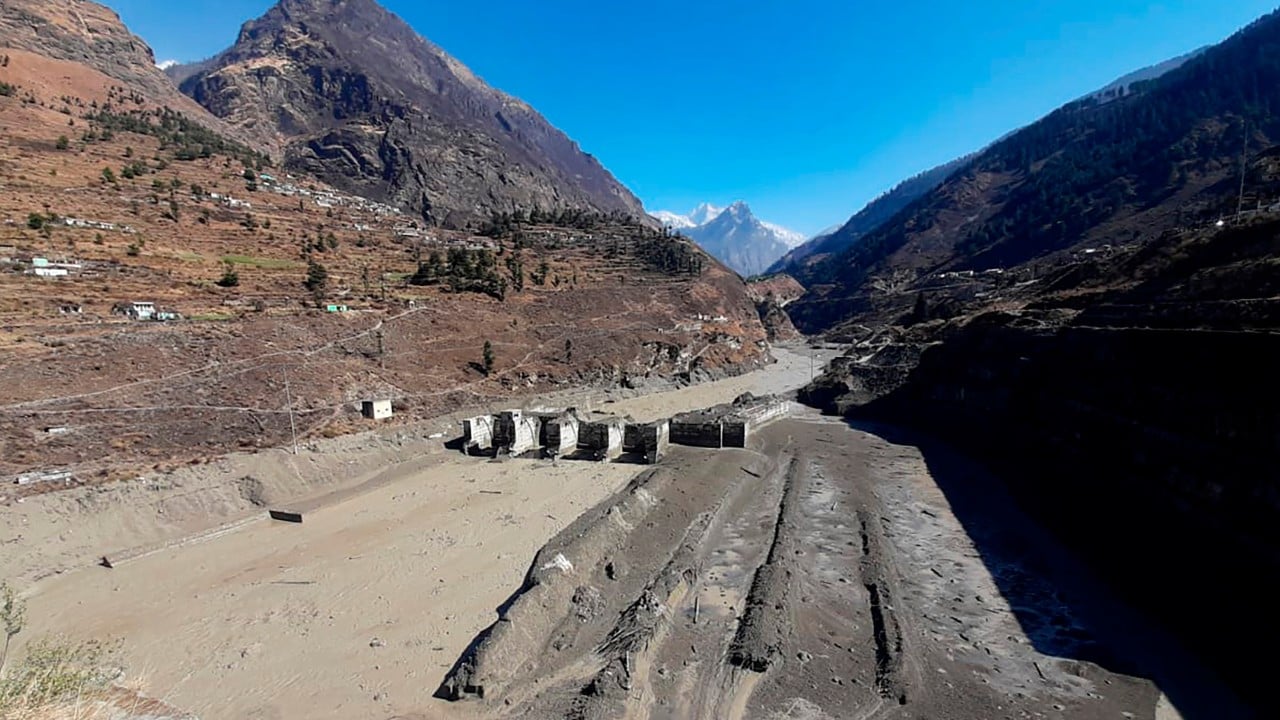
The findings come after the collapse of a Himalayan glacier in late August along the ‌Nepal-Tibet border, which caused cascading landslides and flash floods in the valleys below. At least 1,300 people have been confirmed dead and more than 5,300 are missing across Nepal and China’s Tibet region.

As glaciers retreat, they are leaving behind unstable glacial lakes held back by little ⁠more than loose rock and ice, above valleys where millions of people live, ‌the study found.

The study was produced by Systemiq, a sustainability advisory firm, together with the Integrated Mountain Initiative, the International ‌Centre for Integrated Mountain Development, and India’s G.B. Pant National Institute of ⁠Himalayan Environment.

A man walks along a mud-covered riverbank following deadly flash floods and mudslides, in Dhading district, Nepal, on Monday. Photo: Reuters

A man walks along a mud-covered riverbank following deadly flash floods and mudslides, in Dhading district, Nepal, on Monday. Photo: Reuters

Himalayan glacier mass loss has accelerated in recent decades, while only 21 glaciers were currently monitored on the ground out of an estimated 40,000 glaciers across the Hindu Kush-Himalaya region, the study found.

View the original on South China Morning Post

KioskNews shows a cleaned-up reading view extracted from the publisher’s page — the original always lives on their site, not ours.