Minister outlines three strategies to bolster customs oversight
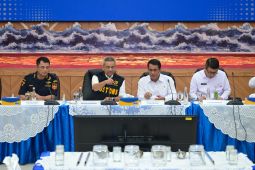
Jakarta (ANTARA) - Finance Minister Suahasil Nazara said he is preparing three steps to strengthen oversight at the Directorate General of Customs and Excise (DJBC).
"To strengthen oversight, we are using every tool we have," Nazara said at a press conference at the DJBC headquarters here on Tuesday.
The first step is strengthening human resources. According to him, one of the main ways to improve Customs and Excise's oversight capacity is through the quality and integrity of officers working in the field.
He said personnel who interact directly with customs and excise activities are an important foundation for ensuring oversight is carried out optimally.
"It is impossible to 'clean up' if the ones doing the cleaning are not clean themselves," he said.
Therefore, he called on all field oversight officers to work in an orderly and disciplined manner, continue improving their competence, and maintain their integrity.
He said he will ensure that existing systems and regulations support officers in carrying out their oversight duties.
The second step is optimizing the use of technology. The minister explained that the increased scale of oversight work means customs officials can no longer inspect every container one by one.
Technology needs to be applied so that oversight activities can run more effectively, he added.
"The personnel have integrity, but with the growing scale of oversight work, we must use technology," he added.
Nazara cited X-ray technology as an example that can be used to determine which containers require further inspection.
Technology and systems can also help detect changes in import declarations, including changes to Harmonized System (HS) codes and the type of goods, which can serve as alerts for officers to carry out inspections.
The third step is improving oversight business processes, where he stressed that oversight must continue to be carried out without hindering the flow of goods needed by the economy.
He said most imported goods are needed for production or public consumption, and customs needs to facilitate the process as long as the goods in question comply with prevailing regulations.
“Therefore, the combination of human resources, technology, and working methods that we continuously improve is key to better oversight going forward. (The one that) keeps sustaining economic growth while continuing to protect our society,” he said.
Related news: Gov't reports 7.8 pct growth in customs, excise revenue to Rp210 tln
Related news: Indonesia targets Rp2,908 trillion from tax, customs, excise in 2027
Related news: Customs foils US$3.52 mln gold smuggling attempt at Soetta Airport
Translator: Imamatul, Kenzu
Editor: Azis Kurmala
Copyright © ANTARA 2026
KioskNews shows a cleaned-up reading view extracted from the publisher’s page — the original always lives on their site, not ours.