Indonesia urges MSMEs to adopt barcodes for modern retail access
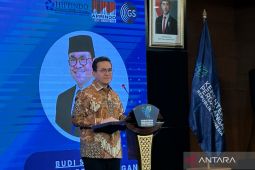
Jakarta (ANTARA) - Indonesian Trade Minister Budi Santoso urged the country's micro, small and medium enterprises (MSMEs) on Tuesday to adopt product barcodes to streamline operations and secure shelf space in modern retail networks.
Speaking at a kick-off event for barcode certification facilitation for packaged food products, Santoso said barcodes are a crucial step in the digitalization process, helping market local goods through modern retailers.
The ministry has partnered with GS1 Indonesia, the authorized issuer of internationally standardized product serial numbers, to provide barcode certification for local packaged food and beauty care products. The first phase targets 50 companies.
While barcodes are necessary to streamline storage and product distribution, Santoso emphasized that administrative compliance must be paired with high product quality.
"If a product is uncompetitive or lacks quality, it cannot enter (the market). Consumers have standards, and retail stores also have standards," Santoso said.
The use of barcodes is part of a broader government effort to boost the competitiveness of local products while expanding the domestic market reach of small businesses.
Santoso noted that Indonesia currently has more than 50,000 minimarket outlets.
"If all of these stores can be stocked with local products, it would be remarkable," he said.
"If all local products can penetrate the domestic market, it means our reliance on imports will also decrease since local products can fulfill the demand," he added.
The trade ministry plans to continuously expand the certification program to help more MSMEs meet industry standards and integrate into modern retail chains.
Related news: Local MSME products fills over 60 percent of modern retail: minister
Related news: Barantin export clinic helps Palu MSMEs navigate export markets
Translator: Maria Galuh, Uyu Liman
Editor: Rahmad Nasution
Copyright © ANTARA 2026
KioskNews shows a cleaned-up reading view extracted from the publisher’s page — the original always lives on their site, not ours.