Japan enlists royal visit, subsidies to revive tourism in quake-hit Kyushu
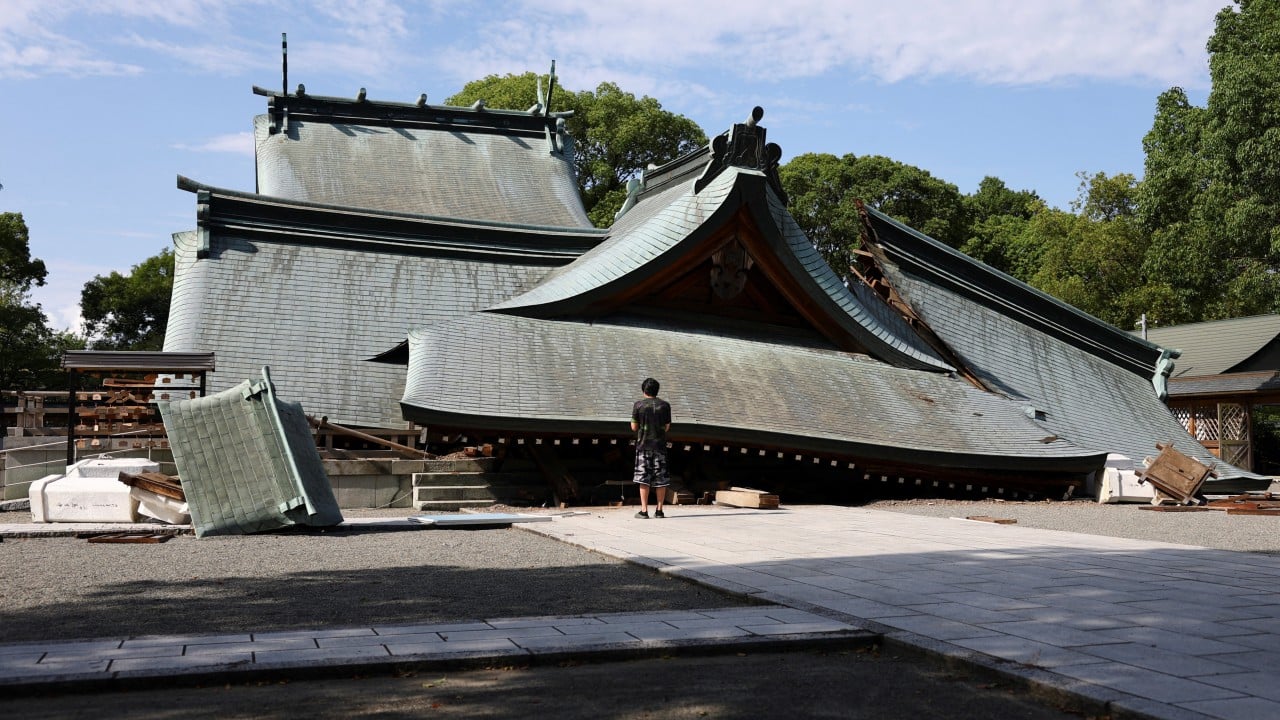
Travel companies in southern Japan are pinning their hopes on a business revival following a planned visit by Emperor Naruhito and Empress Masako to the areas hardest hit by a major earthquake this summer.
The imperial couple is scheduled to meet communities in Kumamoto prefecture on Tuesday, speaking with families who lost their homes and businesses and are currently living in temporary accommodation. The prefecture was at the epicentre of the magnitude 7.1 quake that struck Kyushu island on July 28.
Local tour operators say that the number of international and domestic visitors to Kyushu fell precipitously following the disaster. While there are signs that domestic tourism is picking up, operators are calling for a campaign to reassure tourists that the region is safe to visit again.
Oliver Richardson, a British national working for the non-profit tourism hub Michi-no-Eki Aso, was inside a Costco outlet in Kumamoto city when the earthquake struck. He said the entire building shook violently, causing pallets of goods to fall and block the exits.
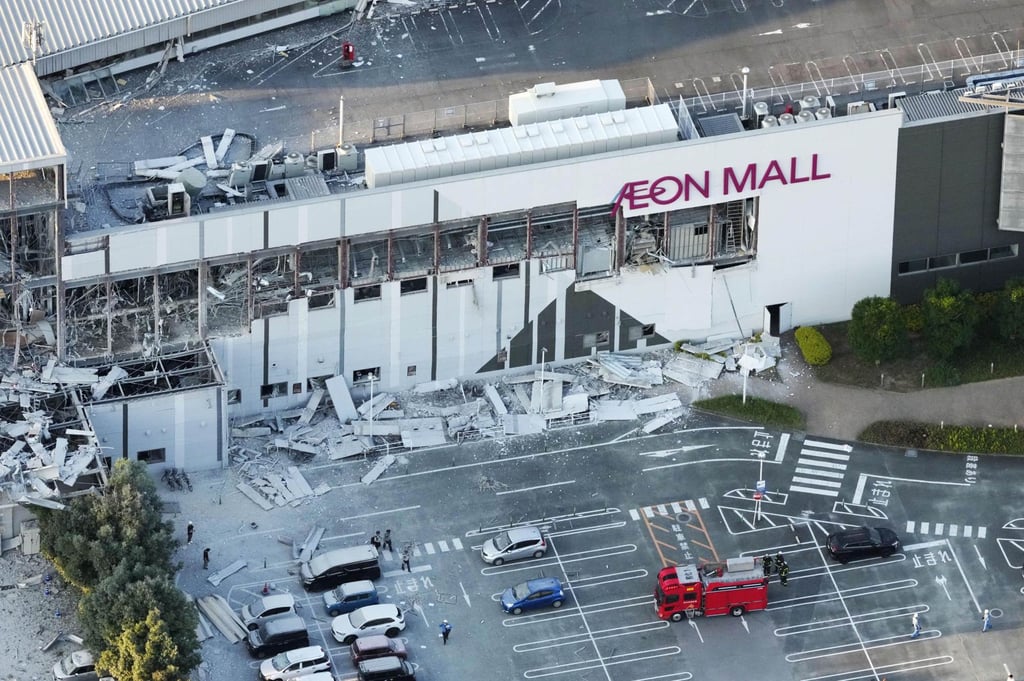
It took several hours for emergency services to free Richardson and dozens of other shoppers. Nearby, a gas explosion at Aeon Mall Kumamoto caused by the quake killed seven people.
Richardson, who is a long-term resident of Japan, went without tap water for three days after the disaster, like thousands of others in the area.
Bullet train services were halted immediately after the quake, local rail lines were severely disrupted, bridges were damaged and nearly 7,000 people across the region had to be evacuated. At least 200 people were injured and 36 deaths were reported.
Richardson said the disaster would likely affect tourism in Kumamoto and the wider Kyushu region for months to come.
“Our region typically attracts a lot of tourists from Taiwan, but everybody just immediately cancelled flights and hotels,” he said.
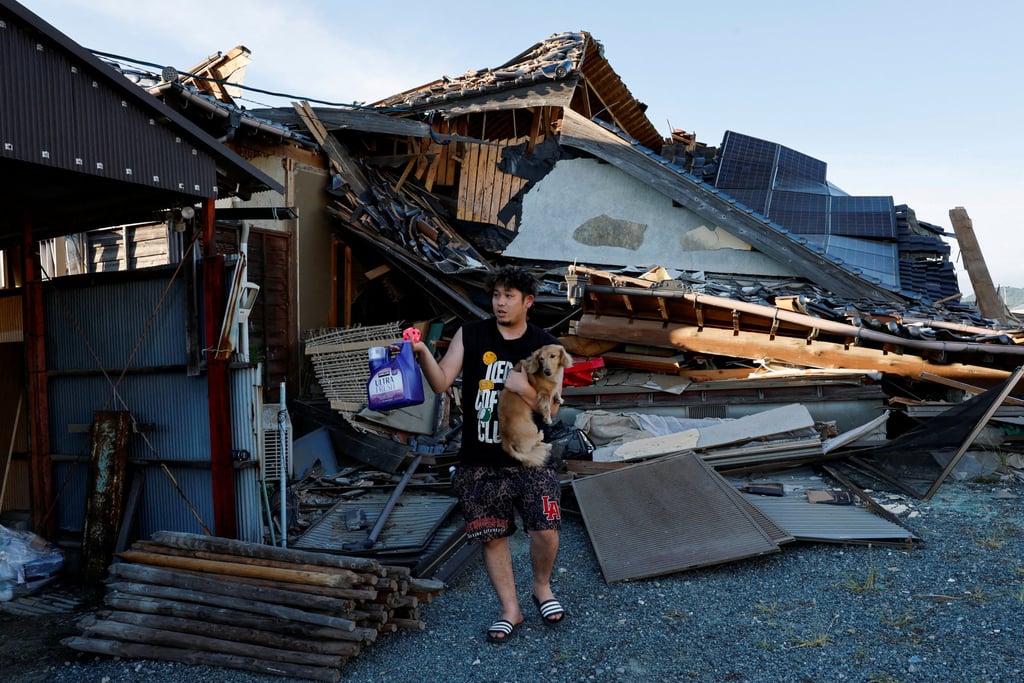
Areas of the city with older wooden buildings were particularly badly affected, he said.
“The castle was also damaged again, which is really unfortunate because they have been working on rebuilding sections that were destroyed in the last big quake in 2016,” Richardson said, recalling how powerful aftershocks had followed that earlier earthquake.
“People remember that. They were worried the same thing was going to happen again and they chose to stay away.”
On September 2, the Mainichi newspaper reported that hotels across Kyushu’s seven prefectures lost 408,500 booked nights to cancellations.
In neighbouring Kagoshima prefecture, tourists had cancelled visits despite the lack of damage, said Fuku Ito, assistant manager of the prefecture’s tourism promotion division.
“The bullet train link to Kagoshima City was halted, which obviously made it harder for people to visit, but many people cancelled trips because they were worried about the possibility of strong aftershocks,” Ito said.
“We issued statements saying there was very little damage and that Kagoshima was safe, but people were still concerned.”
Kagoshima Airport typically receives 40 domestic flights a day, alongside international services from Hong Kong, Taiwan, mainland China and Seoul. All flights were initially suspended but have since resumed. Bullet trains were similarly reinstated on September 18.
“Japanese [travellers] have been quite quick to come back, but foreign visitors have been slower,” Ito said. “We are hoping that around the New Year and Chinese New Year holidays, more people will come back.”
Japan’s central government approved a support package for the region on August 28, allocating 15.1 billion yen (US$95.7 million) to subsidise travel across Kyushu.
From Thursday, visitors to Kumamoto and Kagoshima prefectures can take advantage of 60 per cent discounts on accommodation under the scheme, and 50 per cent for the other five prefectures in Kyushu. Package tours with at least two nights in the affected region qualify for discounts of up to 35,000 yen (US$222).
“We hope people will visit Kyushu and provide support to the affected areas, both materially and emotionally,” Tourism Minister Yasushi Kaneko said when announcing the subsidies, noting “a succession of cancellations” following the earthquake.
Miyazaki prefecture, in southeastern Kyushu, escaped relatively unscathed, according to Satoshi Okumato of the prefectural tourism department.
He said the government’s promotion campaign was already bearing fruit with domestic tourists.
“Autumn is a good time to visit Kyushu because the tree leaves are changing colour and we see strong demand once again,” he said. “It has been more difficult in other parts of Kyushu, but nothing has changed in Miyazaki.”
However, convincing international travellers to return was going to be more challenging, he added.
“Places like Hong Kong do not have earthquakes, so people there do not understand what it means and they are frightened,” Okumato said. “We understand that and are trying to get the message across that it is safe to visit.”
KioskNews shows a cleaned-up reading view extracted from the publisher’s page — the original always lives on their site, not ours.