How AI powers Hong Kong Baptist University professors’ research to benefit society
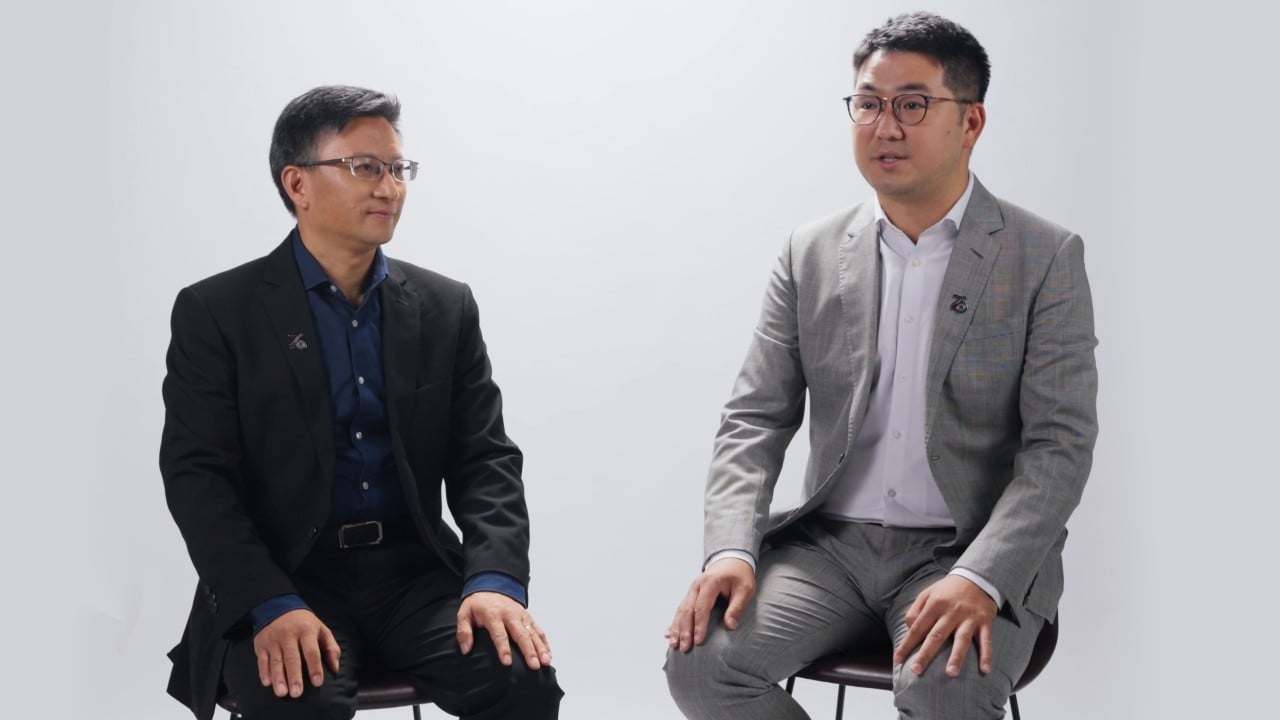
Two researchers in Hong Kong are using advanced data-driven computation and artificial intelligence (AI) alongside traditional scientific principles to better understand the mechanisms of the human brain and tackle the growing urban threat posed by extreme temperatures and air pollution.
The academics at Hong Kong Baptist University (HKBU) have been recognised by Hong Kong’s Research Grants Council (RGC), a non-statutory advisory council under the University Grants Committee responsible for providing research funding in the city.
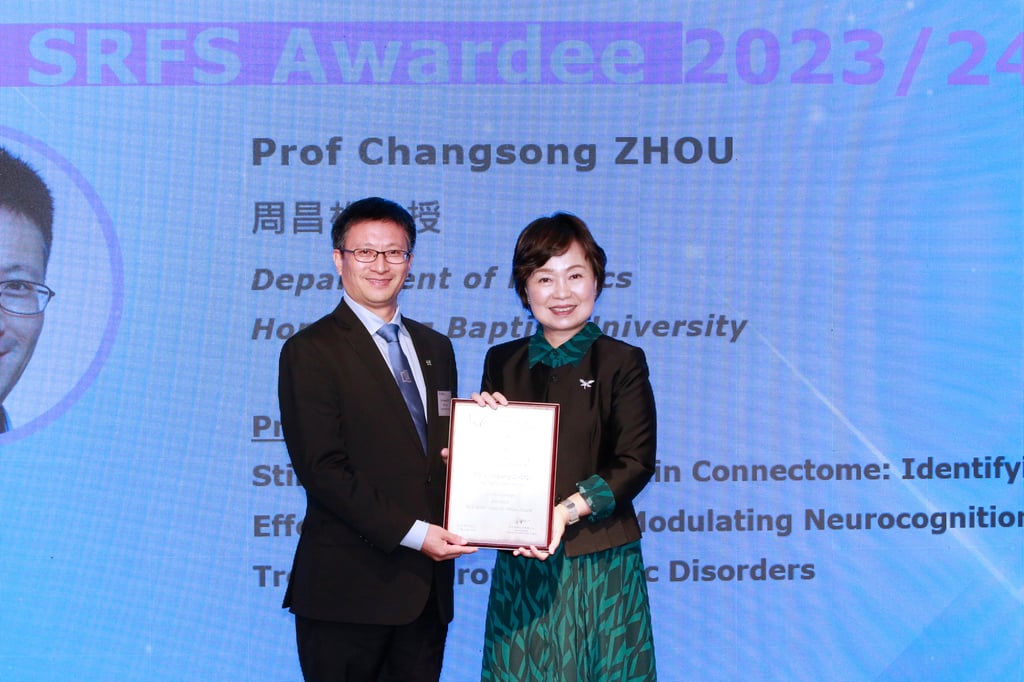
Zhou Changsong, chair professor in physics and complex systems at HKBU’s department of physics, is using AI to develop prediction models focused on dynamics-based evaluation methods as part of his neuroscience research.
These indicators can reveal how different parts of the human brain work together to support functions such as our memory, language and decision-making, and how ageing and the risk of dementia affect them.
He received a grant of about HK$7.8 million (US$993,400) over five years to fund his work from RGC’s Senior Research Fellow Scheme during its inaugural 2023-24 term.
“Mental health and neurological disorders present some of our greatest medical challenges, but current neuromodulation treatments [targeted electrical impulses or tiny pharmaceutical doses] often rely on trial and error,” he says.
“My research aims to change this by treating the brain as a highly complex interacting network. By building virtual brain models and using systems-analysis methods, we hope to pinpoint precisely which brain regions are sensitive to treatment.”
Zhou’s long-term goal is to establish sensitive early biomarkers from brain activities that can indicate abnormal ageing and neurodegenerative diseases, and to develop automated tools to help monitor the efficacy of prevention and intervention measures.
“In neuroscience, we use AI to model massive, highly non-linear brain activity that is difficult to understand,” he says. “The technology is indispensable for making predictions, since the brain is biological and always changing – AI is our lens to understand this complexity. But to make a real clinical impact, it must always be paired with biological knowledge and medical reality.
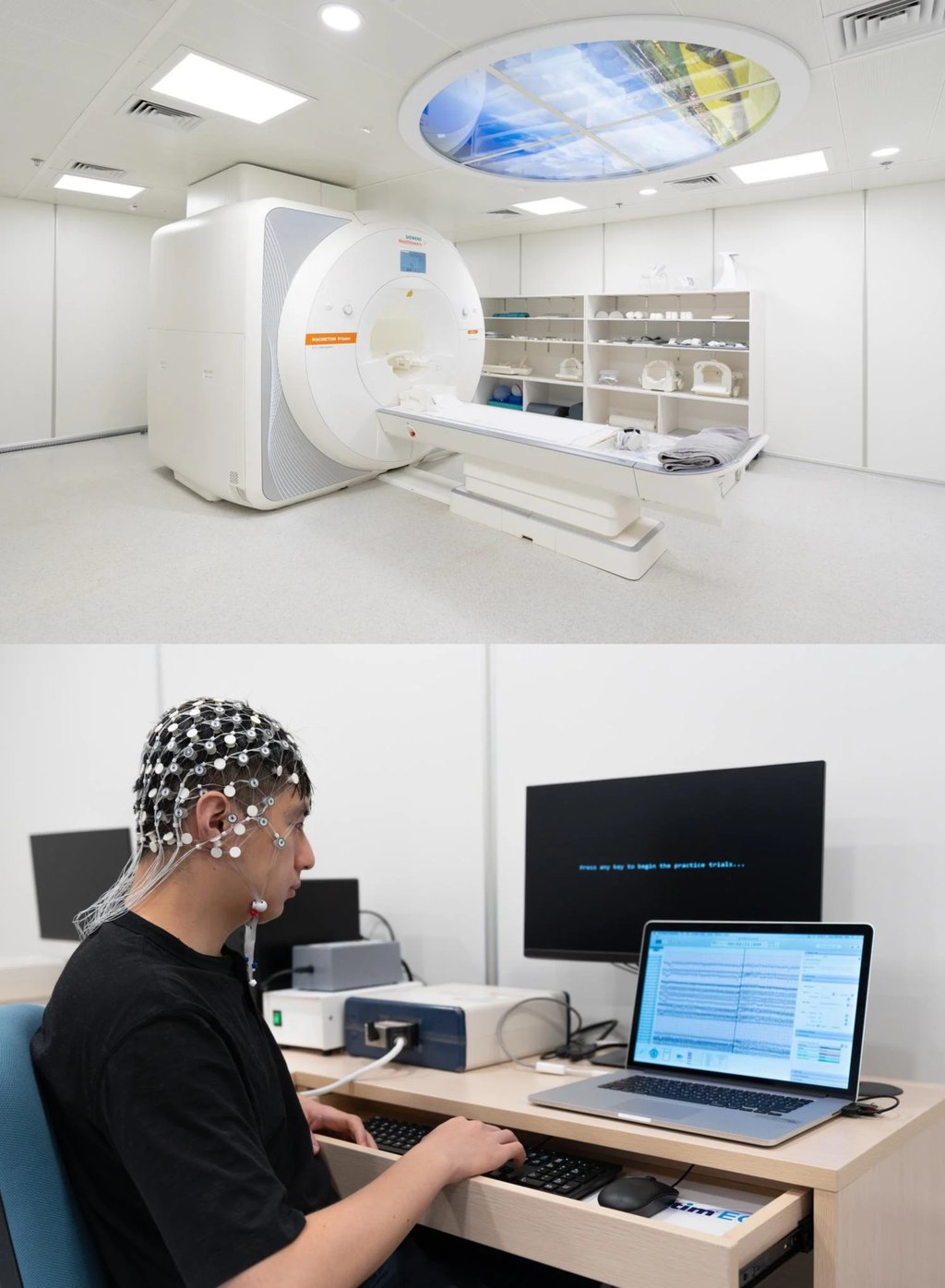
“In five years, we hope to move from personalised brain modulation based on modelling and computer simulations to potential clinical applications,” he says.
“By virtually mapping patient brains, clinicians would be able to run virtual trials for neuromodulation therapies, predict outcomes with mathematical precision and deliver targeted, highly effective treatments with minimal side effects.”
Meanwhile, Professor Gao Meng, an ecological engineer based at HKBU’s Academy of Geography, Sociology and International Studies, is using AI machine learning to analyse data and make predictions in research aimed at tackling the threats of extreme temperatures and air pollution in cities across southern China’s Greater Bay Area development zone.
He is receiving funding of about HK$8.5 million over the next five years from the RGC’s 2026-27 Senior Research Fellow Scheme.
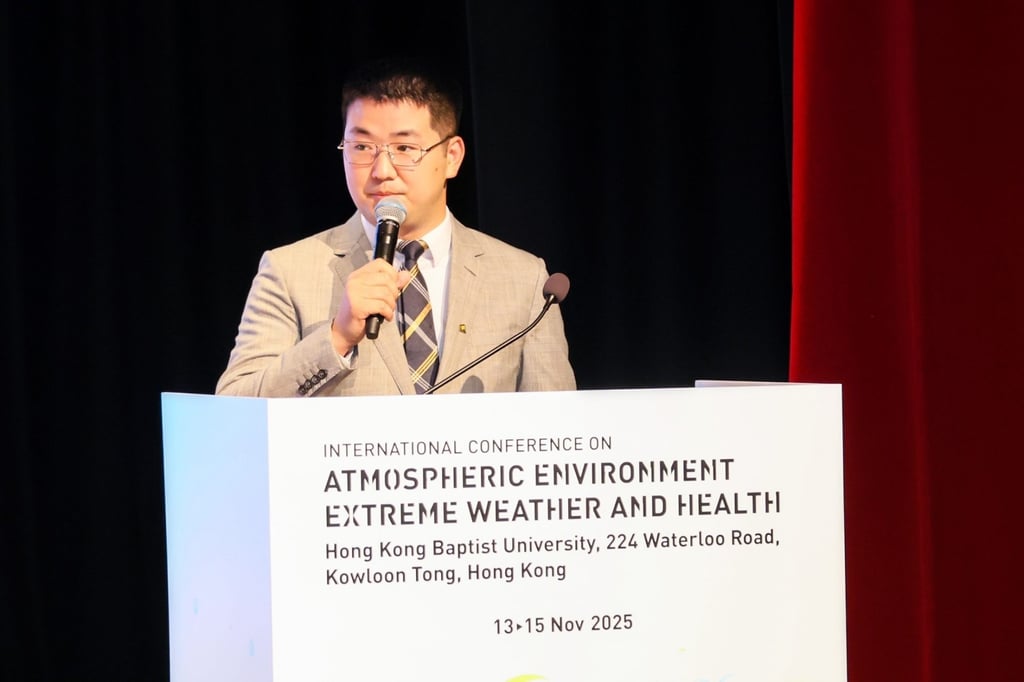
“We are building the first dynamic model for the GBA that simultaneously predicts how transport and energy changes can combat both extreme urban heat and air pollution,” he says. “It is unique because it integrates climate science with real-world urban planning, creating a direct, actionable road map for sustainable, climate-smart megacities.”
Gao says his aim is to identify strategies involving urban spatial planning and the transition to new-energy vehicles to improve urban sustainability and public health.
The use of AI has allowed his team to analyse satellite and sensor data to downscale giant global climate models into precise, neighbourhood-level heat and flood forecasts. However, relying solely on this data-centric approach is not enough, he says.
“AI is a massive game-changer, but without incorporating physical laws, it can make physically impossible predictions,” he says. “Our breakthrough comes from fusing AI with atmospheric physics, ensuring our predictions are both smart and physically accurate.”
Gao believes that HKBU’s global connections and ample resources will continue to provide him with the environment to conduct climate research that will have an impact globally.
“Interdisciplinary collaboration will become even more important in the next 10 years,” he says. “Bringing together expertise from atmospheric science, physics, computer science, engineering and social sciences will allow us to develop more comprehensive solutions for sustainable cities and society.”
Watch the video to learn more about how Hong Kong Baptist University academics are using AI in their research to benefit society.
KioskNews shows a cleaned-up reading view extracted from the publisher’s page — the original always lives on their site, not ours.