2014-15 fuel queues were ‘artificial’ – NPA boss reveals lesson driving government’s strategy
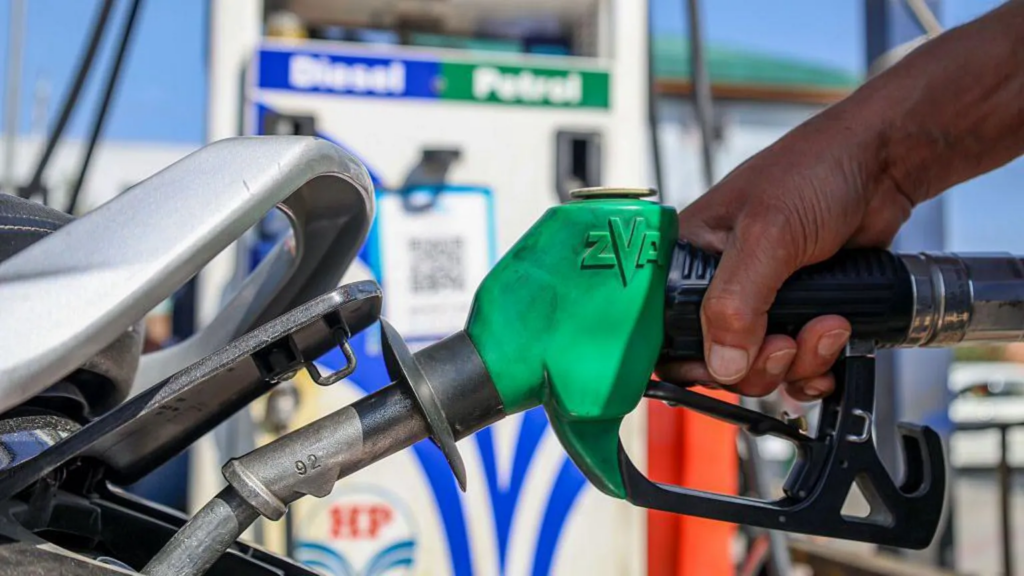
The CEO of the National Petroleum Authority (NPA), Godwin Edudzi Tamakloe, says lessons from Ghana’s 2014–15 fuel crisis are shaping the government’s strategy to protect the downstream petroleum sector.
His comments come at a time when rising international prices of crude and refined petroleum products are putting renewed pressure on Ghana’s fuel market.
The NPA increased the price floor for petrol to GH¢16 per litre and for diesel to GH¢16.77 per litre from September 16. Some Oil Marketing Companies have since raised pump prices, reflecting higher international costs.
Speaking on Joy News’ PM Express Business Edition on Thursday, Mr Tamakloe recalled discussions with President John Mahama about the fuel shortages experienced around 2014 and 2015.
He said the queues at filling stations during that period were not due to a shortage of petroleum products.
“Those queues were internally generated. It was not because there was no availability of products, but for some obvious reasons, there was an artificial shortage of products at the various pumps, and that created in itself some queue.”
According to him, the experience highlighted the strategic importance of petroleum products to Ghana’s economy and national security.
“And so, at the core of the management of the downstream is the whole idea of national security. Very strategic area.”
He described the petroleum sector as critical to the functioning of the wider economy, stressing that consumers have few alternatives when fuel becomes unavailable.
“I mean, when people don’t have light, they can adjust for 24 hours. They can adjust even 12 hours. But when they don’t have petroleum products, they have no alternative.”
Mr Tamakloe said government’s approach is therefore to manage internal risks while also preparing for external shocks.
“It’s like the nervous system of the entire economy, and so right from the beginning, the orientation is that listen, you’re going to handle an industry that is also subject to external issues, but internally, you must find a way to manage it.”
He identified three major factors that influence fuel availability and prices in Ghana.
“Let me say this: there are three principal things that usually impact on petroleum products availability and pricing: the FOB, the tax component, and most importantly, because it’s an imported product, the exchange rate.”
The comments come as Ghana continues to navigate volatility in international petroleum markets. The latest price increases have been linked to higher global crude and refined product prices, with the cedi also affecting domestic fuel costs.
DISCLAIMER: The Views, Comments, Opinions, Contributions and Statements made by Readers and Contributors on this platform do not necessarily represent the views or policy of Multimedia Group Limited.
Tags:
DISCLAIMER: The Views, Comments, Opinions, Contributions and Statements made by Readers and Contributors on this platform do not necessarily represent the views or policy of Multimedia Group Limited.
KioskNews shows a cleaned-up reading view extracted from the publisher’s page — the original always lives on their site, not ours.