New Zealand’s future unclear as initial vote count gives coalition razor-thin lead
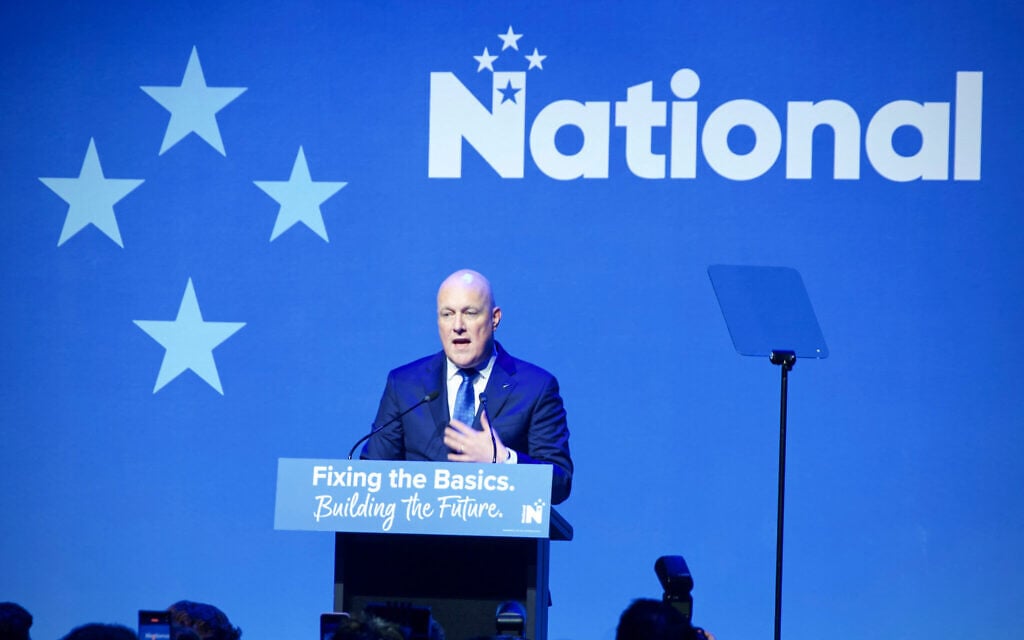
WELLINGTON, New Zealand (Reuters) — New Zealanders were unlikely to gain much clarity on Sunday over who will govern the country for the next three years, after overnight results gave the National-led coalition a slim majority, with around 14 percent of votes still to count.
Electoral Commission preliminary results showed coalition partners National, ACT and New Zealand First with 67 of the currently projected 131-seat parliament. Sixty-six seats are needed for a majority.
However, the commission said special votes, around 14% of the total vote, still need to be counted. These votes include those from overseas New Zealanders and people voting outside their electorate and have historically favoured the left. These will be released with the final count on November 27.
0:00 / 0:00
Promoted: American Technion Society

Until then, the incumbent, center-right coalition will continue to operate as a caretaker government.
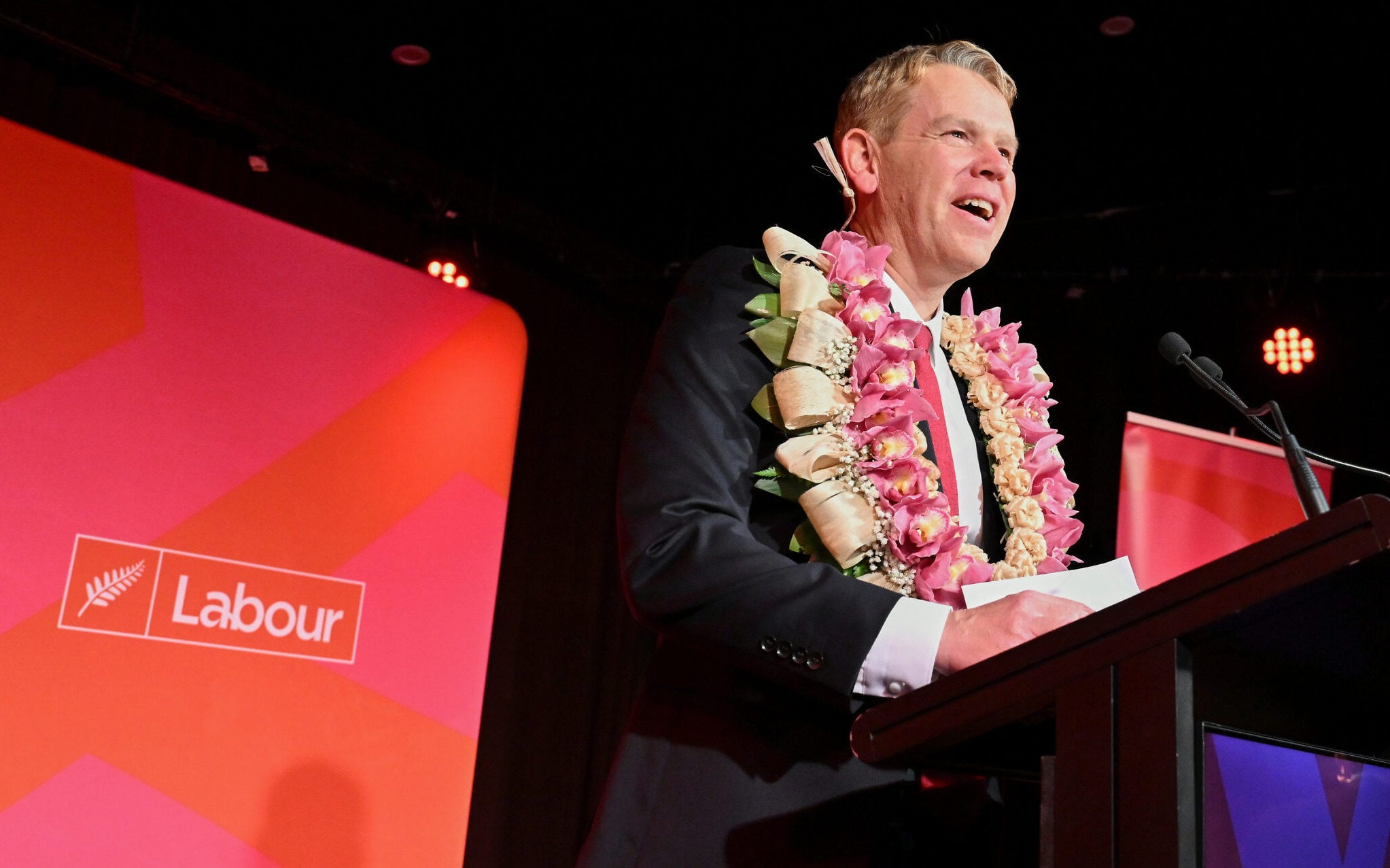
Neither current Prime Minister Christopher Luxon nor leader of the opposition Chris Hipkins claimed victory in their speeches following the election, which has been dominated by talk of a soft economy and the cost of living.
Get The Times of Israel's Daily Edition by email and never miss our top stories
By signing up, you agree to the terms
Simeon Brown, a National Party lawmaker and campaign chair, told public broadcaster TVNZ on Sunday that they were in “a strong position.”
“We feel quite confident at this stage we can form a government, a National-led government, with our coalition partners,” Brown said.
If the National-led coalition loses its majority at the official count, either it or a left-leaning coalition would require the support of the centrist Opportunity Party, which looks likely to enter parliament for the first time.
Luxon has repeatedly ruled out working with Opportunity, but Brown on Sunday did not rule out speaking with the centrist party.
Mona Krewel, a senior political science lecturer at Victoria University of Wellington, said she believed it was possible the two parties could work together.
“I actually would take them (Opportunity) for very centrist, very pragmatic, and so I do think they could make it work with National,” she said.
New Zealand’s electoral system
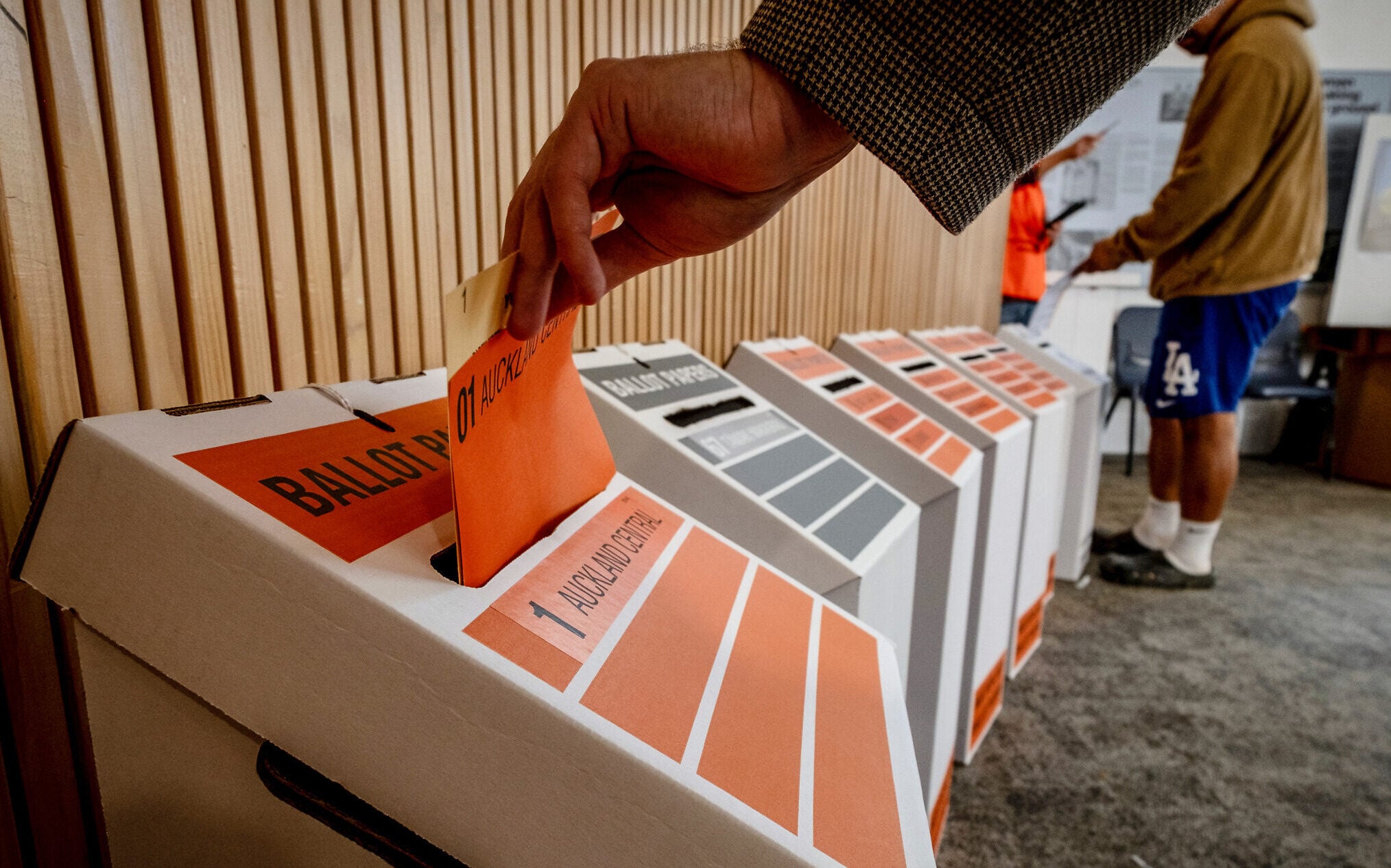
The country switched to a mixed-member proportional system (MMP) in 1996, meaning people vote for both a party and a local constituency candidate. There are 71 constituency, or “electorate,” seats and the Electoral Commission is currently projecting there will be 60 party list seats.
National and a minor party, Te Pati Maori, each won a disproportionately high share of constituency seats relative to their popular vote support due to tactical voting, reshaping the balance of seats in parliament and sparking debate about the electoral system, political commentator Ben Thomas said.
“It certainly looks as if we’re on track for the least proportional parliament that we’ve had, as a result of the vagaries of the rules around how electorate seats interact with the parliament as a whole,” Thomas said.
National, Labour support hits low
The combined support for National and Labour is at its lowest levels since the introduction of MMP, with both parties’ popular vote sitting below 30%. National’s low popular vote means the party is set to lose several senior lawmakers in the next parliament, including Finance Minister Nicola Willis.
Brown said the party had lost some significant people, making the result “bittersweet.”
Your next read: ToI Editors' Picks

LIMITED TIME OFFER: Join The Times of Israel Community today and you'll receive a physical book of your choice, carefully curated by our editors.
Choose between two must-reads: When We See You Again by Rachel Goldberg-Polin, a searing portrait of a mother’s grief and strength following unthinkable tragedy;
Or Out of the Sky: Heroism and Rebirth in Nazi Europe by Matti Friedman, the gripping and surprising tale of a forgotten moment during World War II.
As a Community member, you’ll also enjoy our DocuNation series of outstanding Israeli documentary films, an ad-free experience of our site and podcasts, commenting privileges, and more.
CHOOSE YOUR BOOK CHOOSE YOUR BOOK Already a member? Sign in to stop seeing this
KioskNews shows a cleaned-up reading view extracted from the publisher’s page — the original always lives on their site, not ours.