The Jerusalem PostJerusalem Orchestra East & West youth division to perform at UNוואלה164 קמ"ש במקום 60: נהגת חדשה בת 18 נתפסה במהירות קיצונית בלב חיפהRTP DesportoPresidente do V. Guimarães agastado com início de época "frustrante"Daily MaverickStudent opens fire outside school in Turkey, eight pupils wounded, NTV reportsThe South AfricanBombshell: Springboks may play Malcolm Marx in new positionStraits Times SportLa Liga president hits out at Real Madrid refereeing ‘conspiracy’ claimsХабрИИ режет не рутину, а расходы. Поэтому подушка теперь базовый минимумOnetPolski "Niedźwiedź" pokazał się światu. Żołnierze powinni być zachwyceniIl Fatto QuotidianoMorto Grigory Ponomarev: l’addio improvviso a 31 anni di “Grizzly”, ex lottatore MMA. L’ipotesi di un legame con l’infortunio del 2023CNN بالعربيةأستراليا تؤكد تحويل أجزاء من مقاتلات F-35 الأمريكية إلى هونغ كونغ بالخطأSportstarLIVE India vs Sri Lanka, Asian Games 2026 hockey: IND 10 - 0 SL, Abhishek, Jugraj score two eachVilaWebLa UE tanca la discussió sobre l’oficialitat del català en set minuts i sense adoptar cap decisió
The Daily Newsstand · Free, Always
Tuesday, September 22, 2026

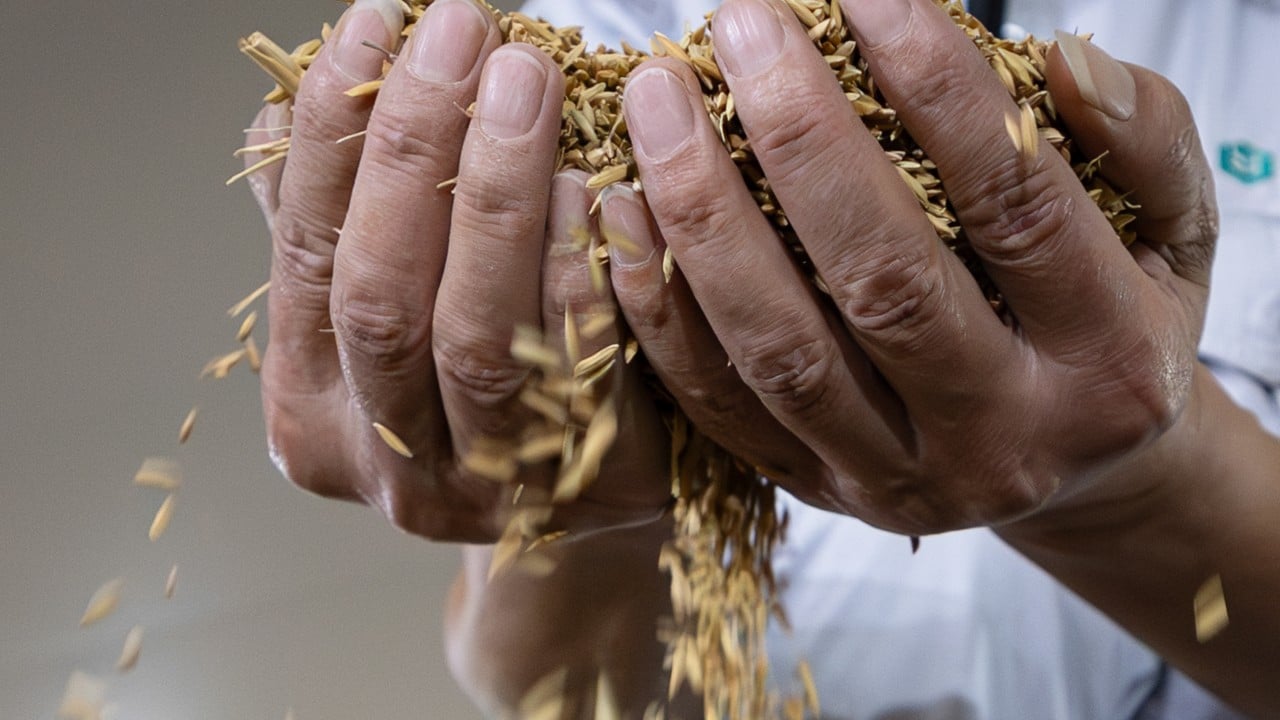
Can China’s grain reserves protect food security against El Nino?
Translate

Amid mounting global concern over food security risks posed by the El Nino weather pattern, Chinese officials have moved to reassure the public that national grain reserves remain well above international safety thresholds.

“China has a solid foundation and sufficient capacity to withstand risks and challenges such as El Nino,” said Li Chao, an official from the National Development and Reform Commission, at a press conference on Tuesday.

The remarks followed comments on Monday by Liu Huanxin, head of the National Food and Strategic Reserves Administration, who said the domestic grain market had held steady despite volatility in global food markets.

Liu noted that China operated a multi-tiered reserve system covering central and local government stockpiles alongside private sector inventories. He stressed that the nation’s stock-to-consumption ratio – the share of stored grain relative to demand – remained “significantly above” the 17 to 18 per cent benchmark recommended by international agencies.

View the original on South China Morning Post

KioskNews shows a cleaned-up reading view extracted from the publisher’s page — the original always lives on their site, not ours.