South Korea’s Seoul wants to put brakes on taxi overcharging
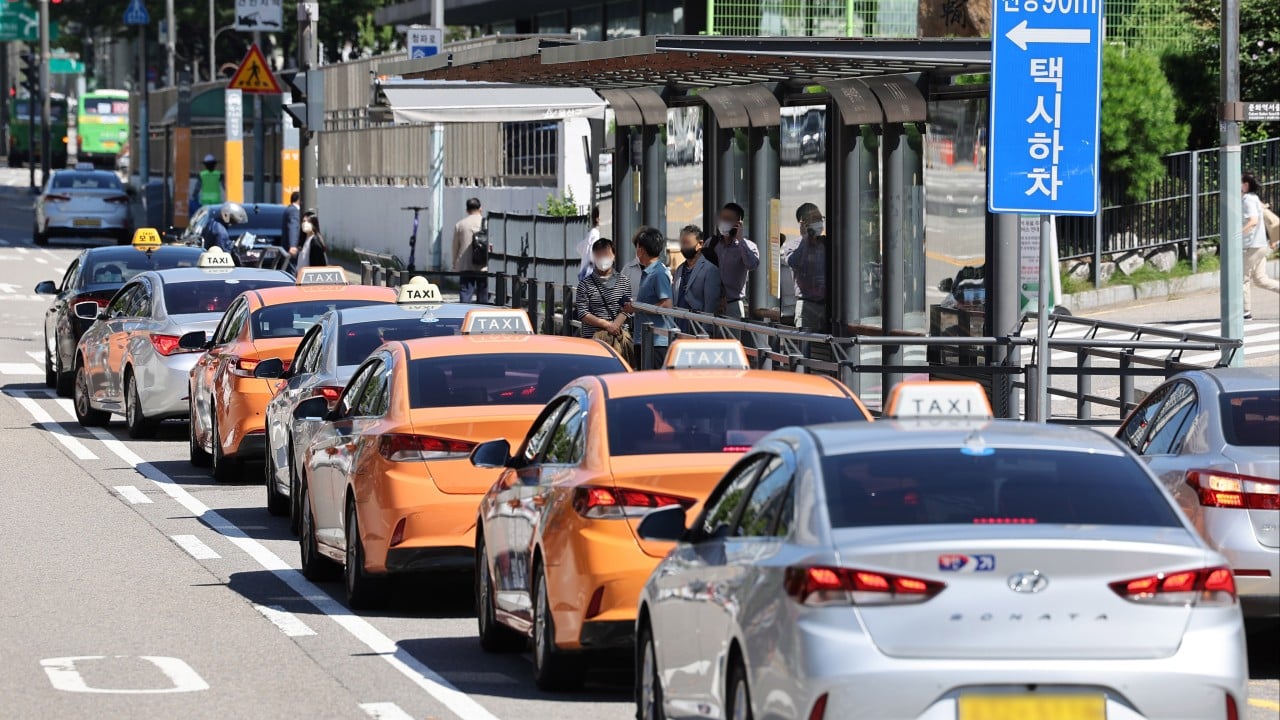
As South Korea seeks to attract more visitors to tap into the global popularity of K-pop, a lawmaker has warned that taxi overcharging of foreign tourists could tarnish the country’s image, with official figures pointing to a perceived lack of punishment against offenders.
Democratic Party of Korea lawmaker Mo Gyeong-jong cited Seoul city government data on Sunday showing only 204 of 6,481 complaints of taxi overcharging involving foreign tourists between 2021 and August this year resulted in administrative measures.
Mo told reporters that a city scheme offering a reward to people whose overcharging complaints led to penalties against errant taxi drivers has yet to pay a single cent.
The problem came under scrutiny in June when a Taiwanese tourist sparked an online controversy after alleging that he had been charged nearly 10 times the expected fare for a taxi ride from eastern Seoul to Incheon International Airport.
After returning home, the tourist said on the social media platform Threads that the driver had charged him 690,800 won (US$520) for a trip initially estimated to cost 70,800 won.
Posting a photograph of the receipt, he said: “At that price, it would be like travelling all the way from South Korea to North Korea.” He warned others against taking taxis in South Korea unless they were prepared to pay exorbitant fares.
Officials at the Seoul Metropolitan Government told This Week in Asia that the tourist was subsequently refunded, but they declined to disclose the disciplinary measures imposed on the 79-year-old driver who ferried the tourist. The driver claimed he had accidentally entered an extra zero when manually processing the fare.
In another case reported in June, an Australian tourist said a taxi driver demanded 75,000 won for a trip from the Busan Port International Passenger Terminal to a hotel in Yeongdo-gu.
Deeming the fare excessive, the tourist got out and took another taxi, paying just 9,000 won for the journey.
Last year, Seoul received 898 complaints from foreign tourists, a 67 per cent increase from the previous year, including 309 related to taxis, according to the city government.
Park Hee-jin, an assistant director in Seoul’s taxi administration division, said persistent complaints of taxi overcharging had prompted the city government to introduce tougher penalties, along with a public awareness campaign targeting foreign visitors.
“Repeat offenders were suspended in the past following an initial warning for the first offence. But starting from last month, they will be suspended for up to 30 days for the very first offence and subject to tougher punishments if they repeat,” she said.
The city has also introduced a QR-code-based reporting channel, with cards distributed at Incheon and Gimpo international airports since June linking to surveys in English, Chinese and Japanese that allow tourists to report suspected overcharging, unmetered rides and refusals by taxi drivers to take passengers.
Upon receiving such reports, officials cross-check submissions against vehicle records and fare details to establish whether a violation has occurred, while tourists can also call Seoul’s 120 helpline to lodge complaints.
“Keeping the receipt or other material evidence is important to get refunded,” Park said.

An official at the Seoul Taxi Association advised foreign visitors to check estimated fares using Naver Map, a popular navigation service in South Korea, to reduce the risk of overcharging.
However, questions remain over whether the city’s measures are leading to effective enforcement.
Mo said 67.4 per cent of the 6,481 complaints received between 2021 and August this year had been closed without administrative action, citing official data. The most common reasons included complainants withdrawing their reports, mistaken complaints, failure to meet reporting requirements and investigators unable to establish that a violation had occurred.
Kim Hyung-joon, an aide to the lawmaker, said: “Lawmaker Mo is especially concerned that overcharging of taxi fares for foreigners unfamiliar with standard fares would deal a blow to the country’s reputation as the home of K-pop.”
The city’s award scheme over such cases has also failed to gain traction.
Under an ordinance revised in 2013, Seoul can award 500,000 won to people whose complaints about taxi overcharging involving foreign tourists lead to administrative penalties. Foreign tourists who have been overcharged are also eligible if they file a complaint.
No one has applied for or received a reward despite the 204 cases resulting in administrative measures between 2021 and August this year, according to the data.
03:33
Can you read your dog’s mind? South Korea’s pet owners turn to tarot
Under the rules, anonymous reports are ineligible, and applicants must provide their names, addresses and telephone numbers. Payments are made only after the period for appealing against a penalty has expired, and the application has been reviewed.
However, the rules do not specify how short-term foreign visitors can apply for and receive rewards after leaving South Korea.
Mo said the reward scheme was introduced with “good intentions”, but it had not taken off because foreign tourists were unaware of it.
“Procedures must be put in place to protect both complainants and taxi drivers, so that the vast majority of drivers who work honestly are not unfairly viewed with suspicion,” he added.
KioskNews shows a cleaned-up reading view extracted from the publisher’s page — the original always lives on their site, not ours.