Singapore, Hong Kong take different paths in race for stablecoin dominance. Who will win?
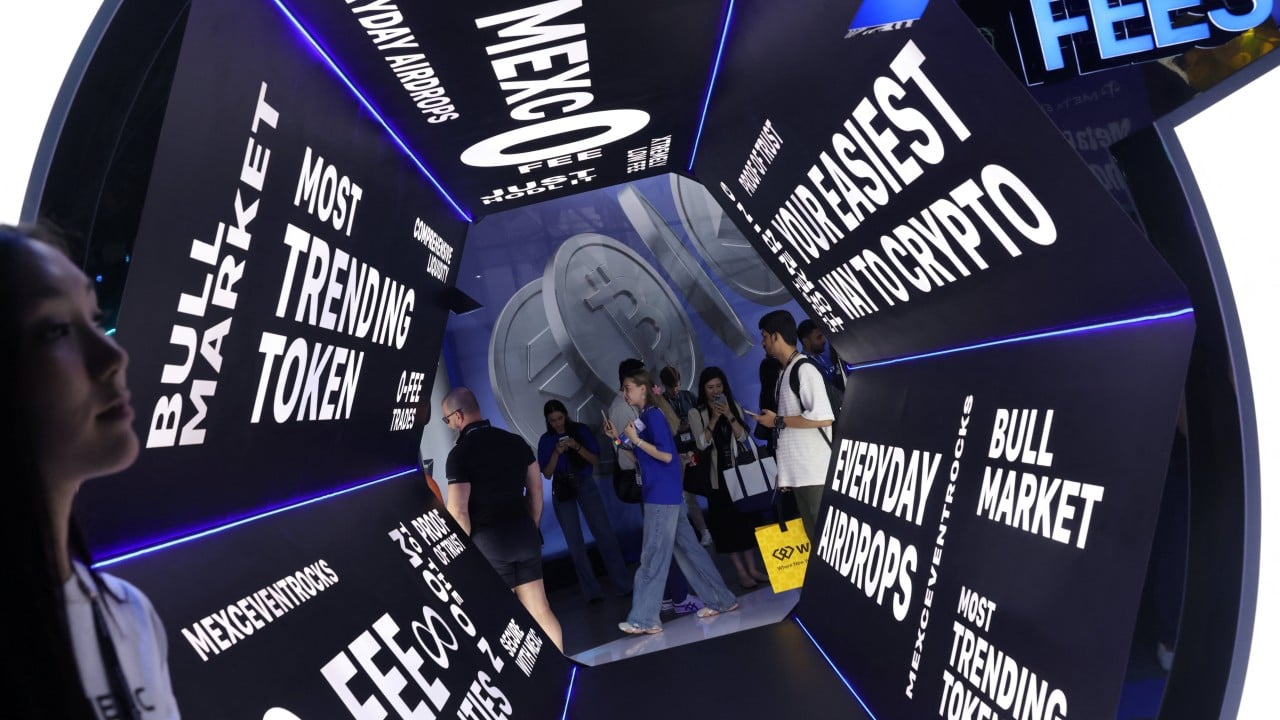
While Hong Kong is betting on its established banking network to bring stablecoins into mainstream finance, Singapore is seeking to make regulated digital currencies easier to use.
Both approaches reflect different priorities in the race to build global cryptocurrency centres: Hong Kong is linking stablecoins to its existing financial system, while Singapore is looking to strengthen the infrastructure for circulating and settling tokenised assets.
Analysts said the ultimate test would be whether either regulatory framework could support practical, commercially viable uses.
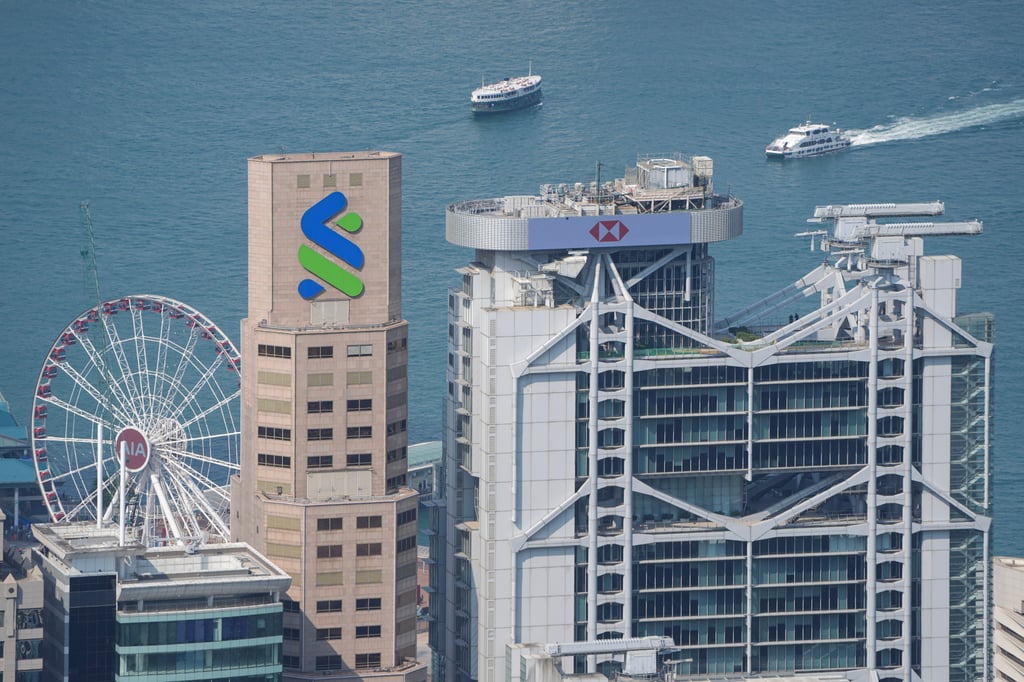
HSBC, one of Hong Kong’s largest banks, revealed the name of its stablecoin, RedCoin, last month. The Hong Kong dollar-pegged token is expected to launch in the second half of this year and be integrated into the bank’s mobile banking platforms.
Ramkishen Rajan, an economics professor at the National University of Singapore’s Lee Kuan Yew School of Public Policy, said both frameworks favoured cautious expansion.

“One concrete difference concerns banks. Hong Kong has licensed HSBC itself, while Singapore proposes that banks issue MAS-regulated stablecoins through separately licensed non-bank entities,” he said, referring to the Monetary Authority of Singapore.
Stablecoins are a type of cryptocurrency token designed to maintain a steady value by being pegged to a reference asset, typically a fiat currency such as the US dollar. They have become more prevalent as traders use them to hedge against major price swings and businesses adopt them for cross-border payments.
In April last year, the Hong Kong Monetary Authority granted stablecoin issuer licences to HSBC and Anchorpoint Financial, a joint venture led by Standard Chartered, reflecting the territory’s stringent requirements and bank-centred financial ecosystem, observers said.
MAS suggested legislative changes last month that would distinguish between regulated and non-regulated stablecoins, and introduce safeguards to protect customers. The proposed amendments to the Payment Services Act 2019, which establishes the regulatory framework for payment services and stablecoins in Singapore, would also allow multi-jurisdictional issuance and the recognition of a limited number of foreign stablecoins.
As tokenisation gains traction, a framework with clear guardrails and high standards of value stability and governance is crucial, according to MAS deputy managing director Ho Hern Shin. “Trusted and well-regulated stablecoins can serve as a credible settlement asset in tokenised financial markets, while mitigating risks to users and the broader financial system,” she said.
09:07
Hong Kong charts new phase as digital asset hub with policy blueprint, says FSTB chief Chris Hui
Competition among financial hubs had increasingly extended beyond traditional markets into digital and tokenised finance in recent years, said Tsang Cheng-Yun, an associate professor of law at Monash University, adding that both systems allowed the issuance of fiat-referenced stablecoins and emphasised financial stability.
“The line between Hong Kong and Singapore is not sharp and is not mutually exclusive,” he said. “Nevertheless, their institutional contexts and emerging commercial priorities suggest somewhat different pathways to developing digital financial infrastructure.”
Singapore’s proposed amendments could be interpreted as an effort to strengthen its position as a global hub for the circulation and settlement of digital assets, Tsang said.
As Hong Kong stood to benefit from its established banking network and position as a gateway between mainland China and international markets, “its framework makes it easier to bring trusted settlement assets into the existing financial system”, he added.
David Lam, an associate fellow with the regional economic studies programme at the ISEAS-Yusof Ishak Institute, said Hong Kong had taken a more stringent approach, laying the foundation for channelling digital asset use towards appropriate applications. Its monetary authority does not allow retail investors to trade non-licensed stablecoins – such as Tether, a leading US dollar-backed token.
Front runner?
The different approaches do not necessarily make one hub a clear winner, observers say.
Hong Kong appeared to be further along in putting its rules into practice with the licensing of HSBC and Anchorpoint, Rajan said, but “it is too early to judge either framework superior for growth”.
Singapore’s proposal to recognise foreign-issued stablecoins had particular merit for cross-border businesses, provided all parties could cooperate effectively during a crisis, he added.
Tsang cautioned against using quantities to gauge the success of either framework. “I would not judge either framework simply by the number of licences granted, the volume of stablecoins issued or the speed of market adoption,” he said.
According to the experts, success in scaling stablecoins would ultimately depend on how regulatory credibility translated into commercial use – including whether businesses could make payments more cost-efficiently and reliably.
Lam said risks such as speculation and illicit finance needed to be appropriately mitigated for stablecoins to be channelled towards productive uses, such as wholesale payments and tokenised real-world assets. Hong Kong, for example, restricts stablecoin transfers to verified blockchain accounts unless issuers can demonstrate that they can effectively prevent money laundering.
While stringent requirements could bolster business confidence, costly compliance obligations could dampen competitiveness and make services uneconomic, Rajan said. “It’s a balancing act.”
Regulators must also look beyond the activities and risks of individual issuers, according to Tsang. “In the end, I think financial centres will increasingly compete on who can build trusted, liquid and interoperable settlement infrastructure for the next generation of financial markets.”
KioskNews shows a cleaned-up reading view extracted from the publisher’s page — the original always lives on their site, not ours.