Denisovan fossils in China reveal an ancient ‘hunting paradise’
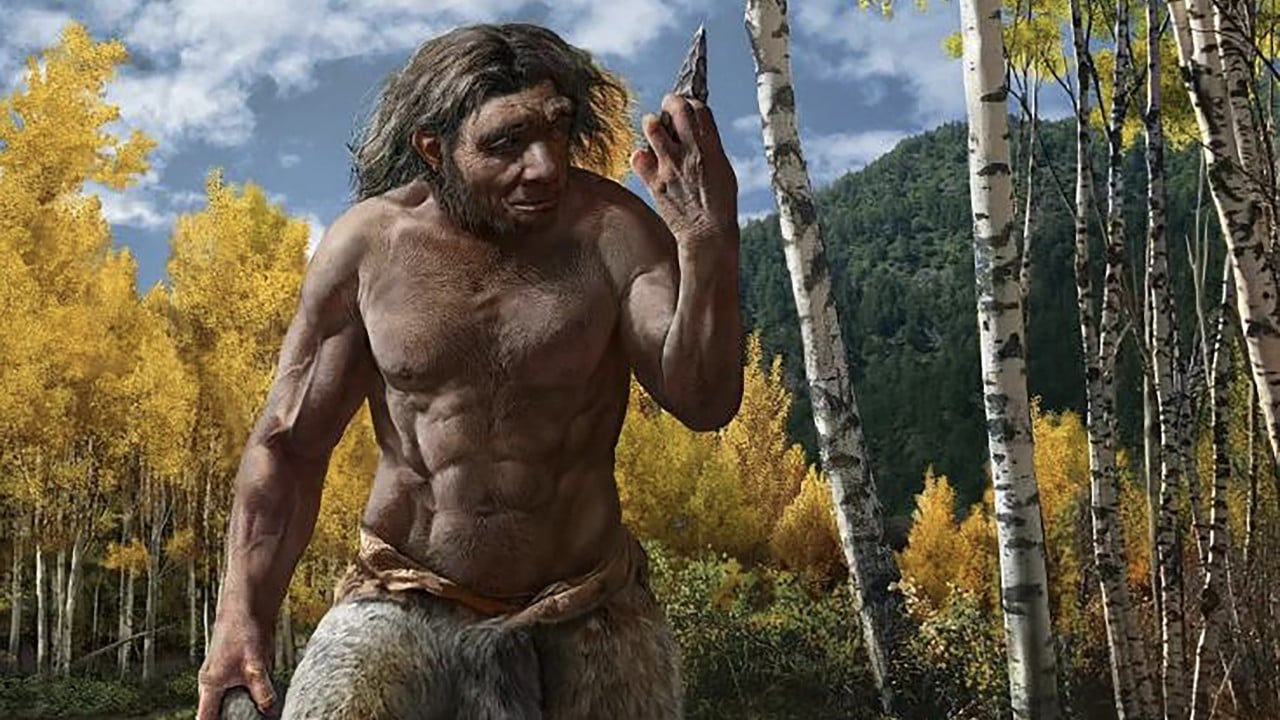
Denisovan remains discovered in southwestern China reveal that Yunnan province’s warm, biodiverse plateau was a “hunting paradise” for the hominins during a global glacial period, according to new research published in the journal Nature.
Within the region’s coniferous forests and forest-steppe environments, this archaic human group established a stable subsistence pattern highly adapted to local resources through specialised hunting and the intensive exploitation of animals.
The extinct Denisovans once roamed Eurasia, having diverged from modern humans (Homo sapiens) and Neanderthals several hundred thousand years ago.
Southern China’s biggest natural history museum opens in Shenzhen
Since Denisovans were first identified in 2010, research has yielded only a handful of molecularly identified remains, leaving scientists with a limited understanding of the species.
On September 9, two papers co-authored by researchers from institutions including the Chinese Academy of Sciences (CAS) and the Yunnan Provincial Institute of Cultural Relics and Archaeology were published simultaneously in Nature. The two papers overlap in their study focus and some of the researchers are cited as authors on both papers.
The studies detail Denisovan fossils, associated artefacts and subsistence strategies discovered in Bianfu Cave in Yunnan, shedding new light on the appearance, evolution and behaviour of this elusive human group.
One paper, titled “Ancient proteins identify various Denisovan remains from southwest China”, said the findings “establish Bianfu Cave as a Denisovan locality yielding the most abundant remains of this hominin group outside Denisova Cave in Siberia”.
KioskNews shows a cleaned-up reading view extracted from the publisher’s page — the original always lives on their site, not ours.