Burnt-out Chinese youth wear laid-back emperor’s robe to resist overtime
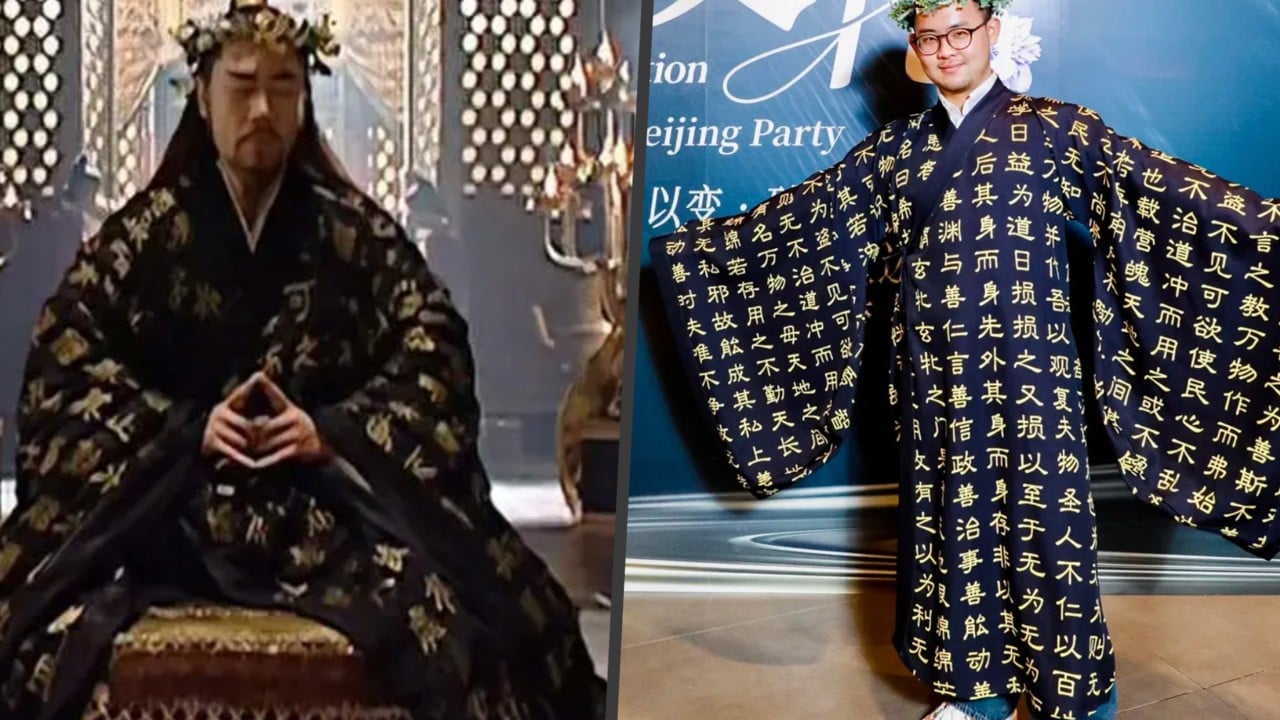
Burnt out by the relentless grind, some young people in China have rallied around an unlikely patron saint: a famously indolent Ming dynasty (1368–1644) emperor.
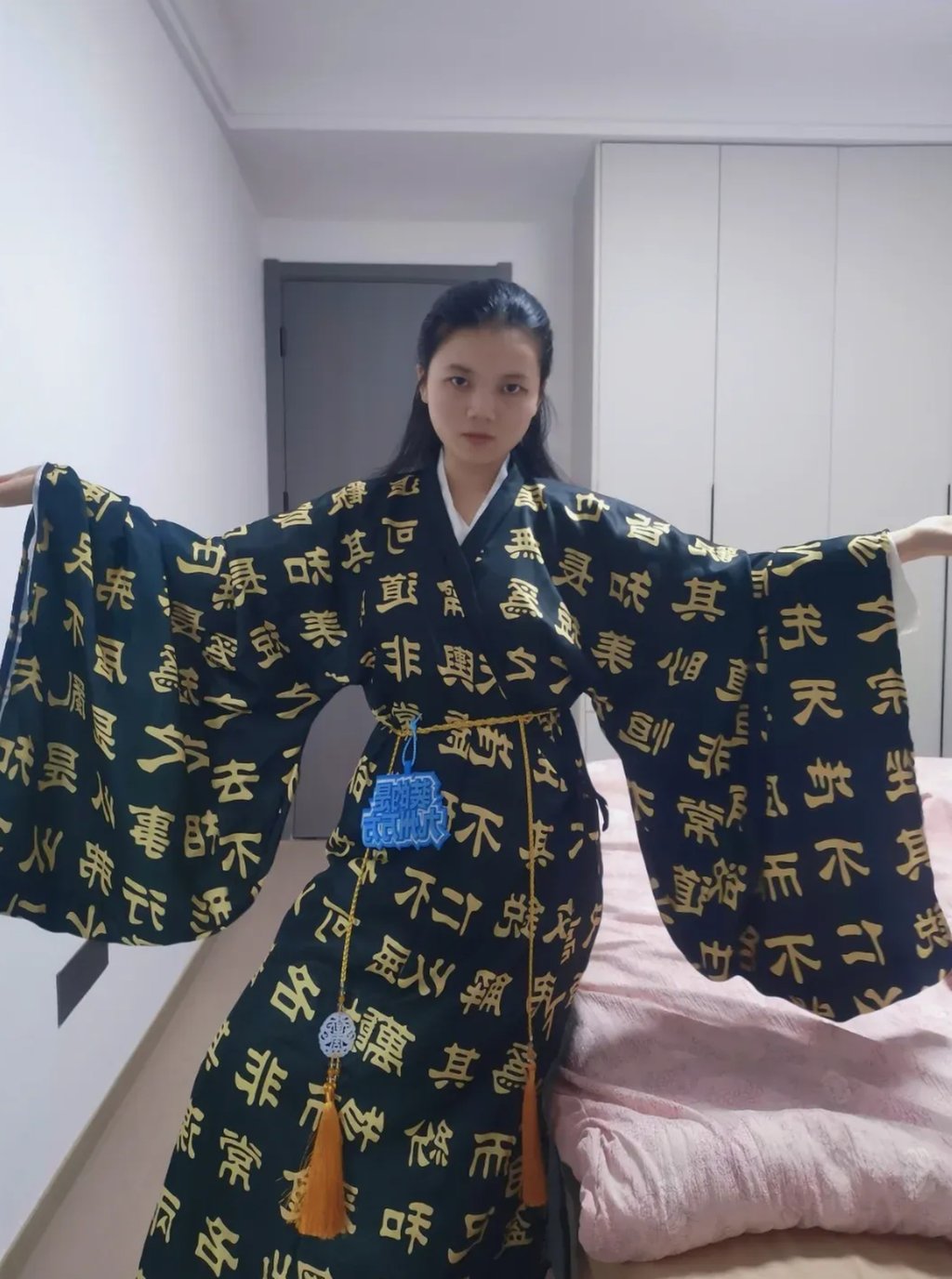
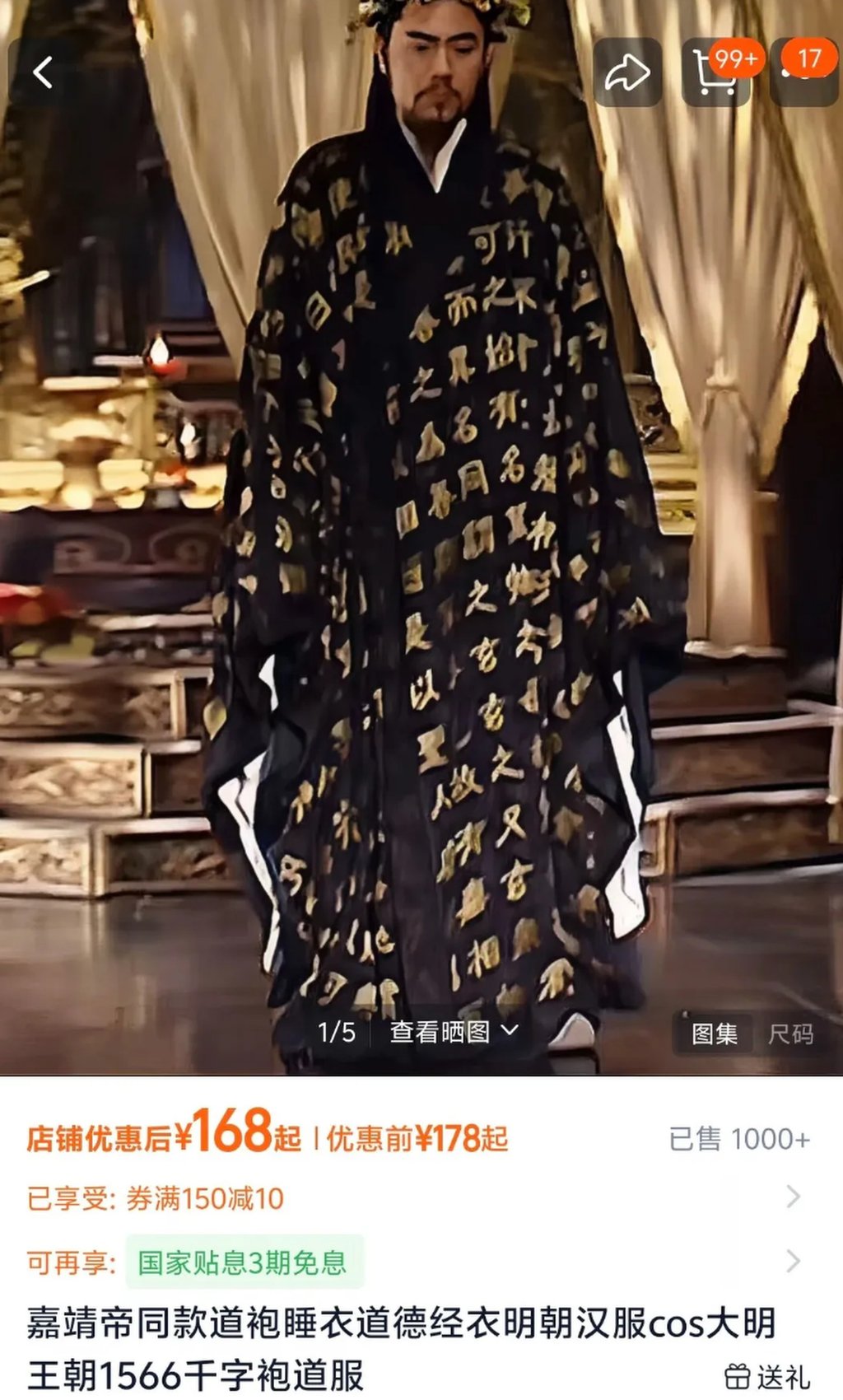
This autumn, across office towers, universities, and streets in China’s tier-one cities, young people have begun sporting black Taoist robes modelled on the garment worn by the Jiajing Emperor in the classic historical drama Ming Dynasty in 1566.
In the drama, actor Chen Baoguo portrays the Jiajing Emperor as an unkempt, robe-clad sovereign notorious for neglecting his duties.
Rather than attend meetings, the emperor eavesdropped from behind a wall, ringing a bronze bell to signal approval or remaining silent to keep his ministers guessing.
History tells a similar story. The Ming ruler initially fortified the borders and streamlined the bureaucracy, but in his later years he became preoccupied with Taoist alchemy and his beloved cats.
For more than two decades, the Jiajing Emperor refused to hold court, communicating instead through burnt-paper prayers and cryptic notes as corrupt officials filled the power vacuum.
He eventually died at 60, widely believed to have been poisoned by mercury-laden longevity elixirs.
Centuries later, young workers rebelling against toxic hustle culture have embraced this famously detached sovereign.
One online user wryly observed that while modern workers drown in endless pings and emails, the Jiajing Emperor managed an entire empire’s targets simply by meditating and concocting elixirs.
To some history enthusiasts, that makes the Jiajing Emperor “humanity’s earliest and most radical pioneer of remote work and flat management.”

Replicas of the emperor’s robes, along with matching blankets, have become runaway hits on mainland Chinese e-commerce platforms, selling for around 160 yuan (US$24).
“If I cannot be an emperor in real life, I might as well dress like one,” quipped one buyer.
Another wrote: “The robe helps me tune out the office drama. An emperor does not stoop to arguing with eunuchs.”
Beyond the psychological comfort, the roomy Ming-style robe has become a celebrity in its own right, hailed as “China’s magic cloak” for its practicality.
On RedNote, young workers post photos of themselves lounging cross-legged in their chairs, using the voluminous fabric to conceal a full lunch belly or ward off frigid office air conditioning.
For many, the robe also projects an aura of calculated aloofness rooted in the Taoist concept of wu wei, or “non-action.”
“It is a daily reminder to reject pointless burnout and anxiety,” one worker commented.
Another was more blunt: “It also tells my boss you get what you pay for. On a 5,000-yuan (US$750) salary, do not expect me to deliver 50,000-yuan results.”
Crushed by gruelling overtime and relentless targets, many young Chinese workers have pushed back in successive waves of quiet rebellion.
Many practice mo yu, or “touching fish,” by stretching out bathroom visits, browsing web novels, or shopping online during work hours.
Others embrace the philosophies of tang ping, meaning “lying flat,” or bai lan, meaning “let it rot.” Both of them mean doing the bare minimum at their core.
KioskNews shows a cleaned-up reading view extracted from the publisher’s page — the original always lives on their site, not ours.