IDF's pursuit of Deif disctracted from warning signs Hamas was planning October 7 attack
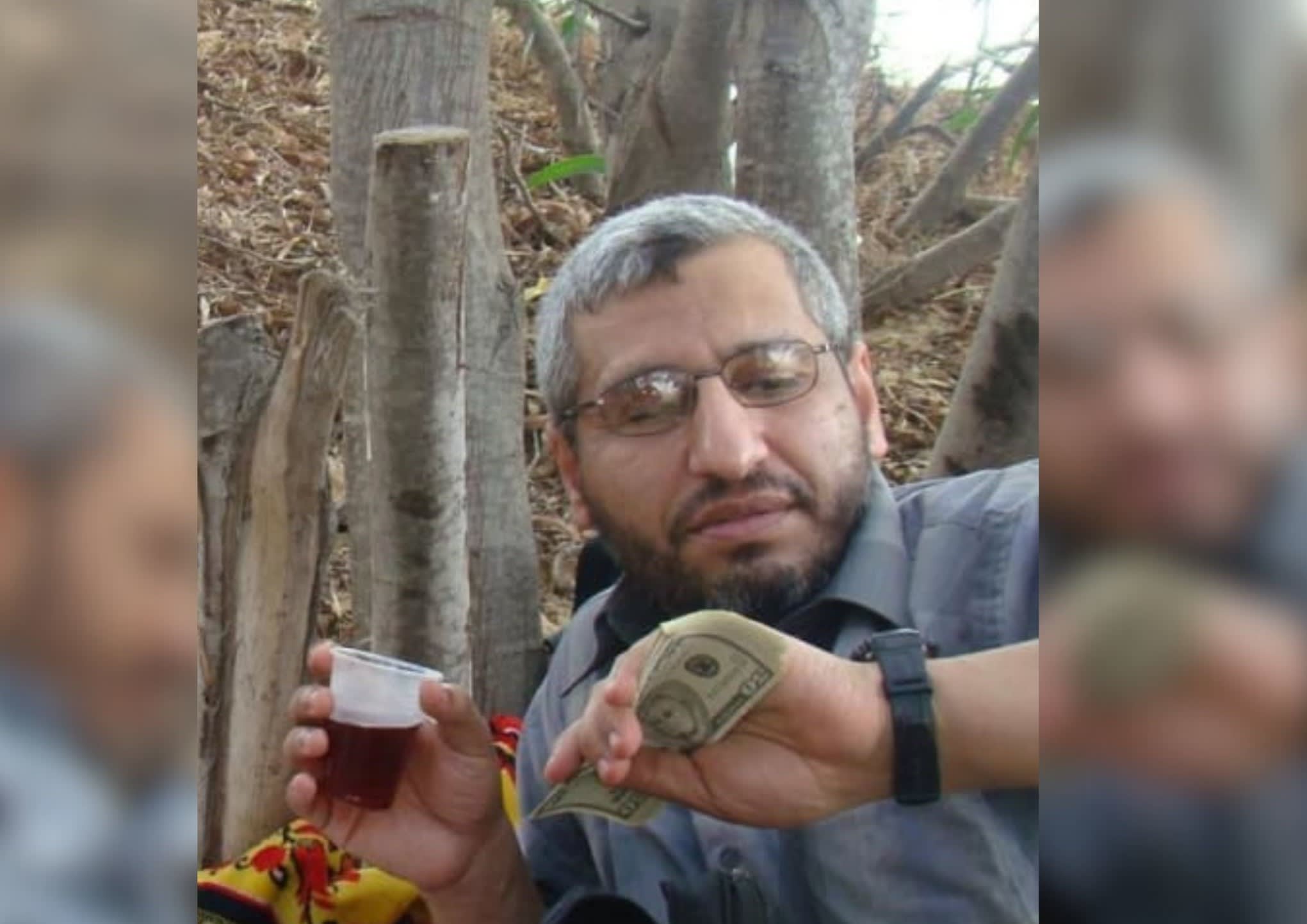
There were many reasons that the air force and the IDF Southern Command each failed to prevent major aspects of Hamas’s October 7, 2023 invasion, but one reason that emerged from the IDF’s probes and was finally belatedly approved for publication was potential attempts to assassinate Hamas military chief Mohammed Deif.
It turns out that in the early morning of October 7, while IDF Chief of Staff Lt.-Gen. Herzi Halevi, IDF Southern Command Chief Maj, Gen. Yaron Finkleman, and others were trying to understand if Hamas was planning some kind of an attack (a small attack in between two to eight locations, not a massive penetration in 114 spots), Air Force Chief Maj. Gen. Tomer Bar spent hours probing if there was a chance to assassinate Deif.
In fact, Bar and the IDF had tracked Deif leaving his house and entering Hamas's underground network on his way to the underground command center. The focus of assets to further such an assassination plan might have been used to better understand Hamas’s intentions.
Bar was not the only one.
Resources invested in tracking Deif
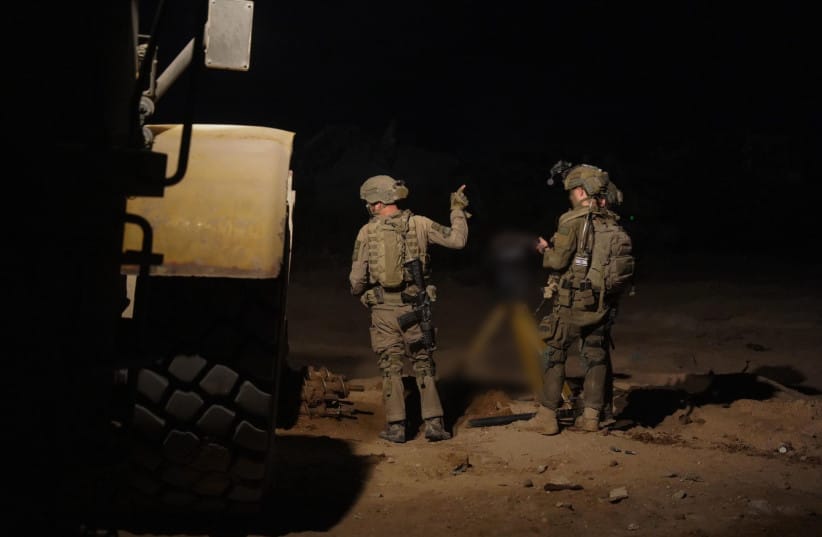
Finkleman was also investing significant resources in understanding where Deif was located and how he and other top Hamas officials were acting to decipher whether they were planning an invasion.
All of this may sound strange knowing, after-the-fact, that Israel was facing the most dangerous invasion in fifty years.
But at the time, Bar, Finkleman, and essentially all of the other top Israeli security officials did not view a major surprise attack as even remotely likely.
In contrast, they had tried to assassinate Deif many times over a decade, two times even wounding him, but had always failed to finish him off.
Also, prior to October 7, many still viewed Deif as more important and dangerous than Hamas’s Gaza Chief Yahya Sinwar.
On the morning of October 7, at 7:58 a.m., it was Deif who notified all of Gaza and the world about the invasion and called on all Gazans and other members of the Iranian axis to join forces to try to overwhelm Israel.
Sinwar identified as architect of invasion later
Eventually, Sinwar was recognized as the ideological architect of a major invasion, even if Deif managed the military planning, and he became viewed as Israel’s top target.
Deif was finally killed in July 2024 and Sinwar in October 2024 after initially failing to catch or kill either of them in the invasions of northern Gaza, Khan Yunis, and Rafah.
Belatedly, it has also been approved for publication that an IDF drone observed Gazan terrorists removing coverings from rockets aimed at Israel, which could have signaled greater readiness for a wider attack.
Despite this sign and other signs, no top IDF officer had the full picture of what was going on, and those who did believed the worst-case scenario was a small attempt to breach into one or two villages in Israel.
KioskNews shows a cleaned-up reading view extracted from the publisher’s page — the original always lives on their site, not ours.