Air traffic control outage that caused flight chaos cost UK economy £33 million, new report finds
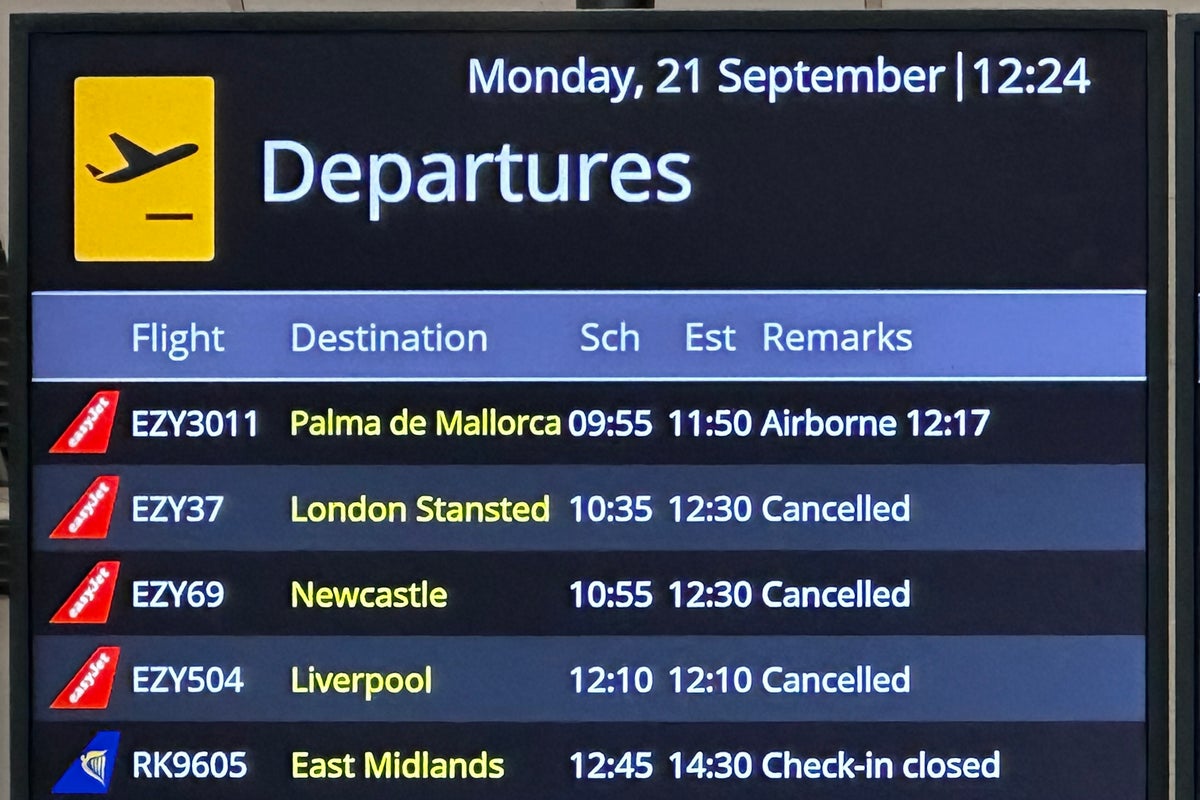
A failure of air traffic control systems in September cost the UK economy an estimated £33 million, according to a new report.
The report puts a figure on the fallout from the disruption at National Air Traffic Services (Nats) on 8 September. More than 2,000 flights were cancelled as a result of the incident, which affected hundreds of thousands of passengers.
Nats said the fault occurred in “the space of a millisecond”, and flights to and from the UK were axed as a result. The disruption continued into the day after the initial failure.
The Cyber Monitoring Centre (CMC) said airlines absorbed more than three-quarters of the financial impact, while “comparatively little” fell on Nats. The non-profit organisation released its research on Wednesday.
It estimated that the air traffic controller lost less than £1 million in route charges on cancelled flights.
The £33 million figure covers costs to UK airlines, airports, ground operators and tour operators from flight cancellations, delays and diversions, the CMC said.
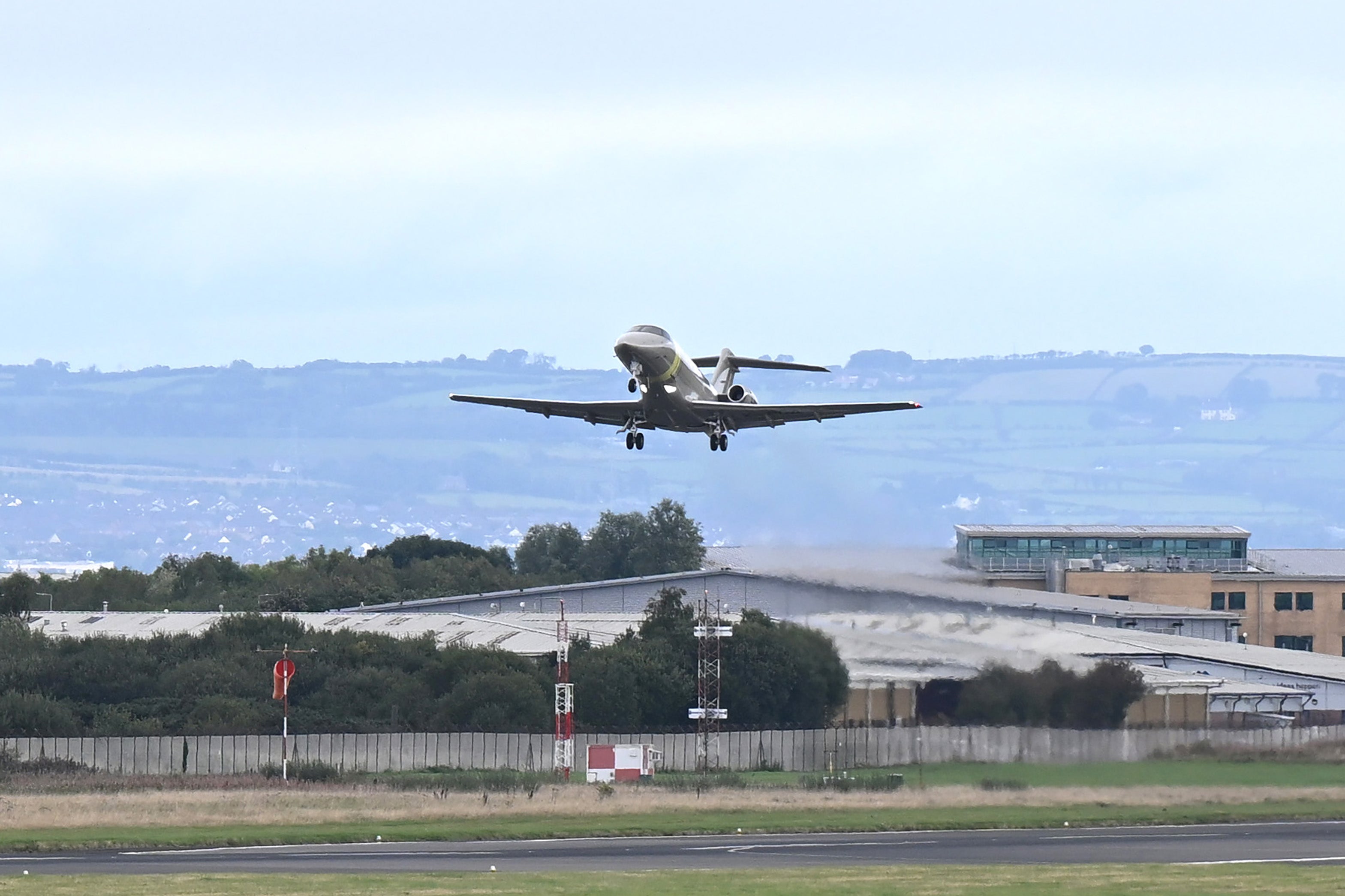
When the impact on overseas airlines is included, the organisation said its analysis put the financial loss at between £48 million and £76 million.
“This does not include losses to other non-UK organisations including airports,” it said. “The incident response and system fix were carried out by Nats’ in-house staff, so no material external incident response or system rebuild costs have been assumed,” the CMC added.
“The cost of Nats’ internal investigation and any future investment in resilience are not included.”
The incident was placed in the “lowest impact” category on the CMC's five-point scale. The organisation said it was caused by a “previously unknown defect in legacy software” and “was not malicious”.
“This was an accidental technology failure, not a cyber attack, and safety was maintained throughout,” Ciaran Martin, chairman of the CMC technical committee said.
“But like the CrowdStrike outage in 2024, it shows how a fault in a single system can spread disruption and cost across the organisations that depend on it.
“Of an estimated £33 million in UK losses, Nats bore less than £1 million, with most of the impact falling on airlines. Organisations need to understand and plan for the risks that sit in systems they depend on, not just the systems they own.”
Nats produced a preliminary report into the 8 September failure. It found the issue was caused by a software problem rather than “any incorrect actions”.
A second, unrelated air traffic issue followed less than two weeks later. That problem caused further disruption and led to more than 170 flights being cancelled.
Nats chief executive Martin Rolfe resisted calls to resign after both incidents. The calls for him to quit included one from the airline Ryanair.
A Nats spokesperson said: “We have noted the Cyber Monitoring Centre’s statement.
“We will not be commenting on its contents; the CAA is conducting an independent review of the incident on September 8.”
KioskNews shows a cleaned-up reading view extracted from the publisher’s page — the original always lives on their site, not ours.