Don’t leave Asia’s ageing debate until it’s too late
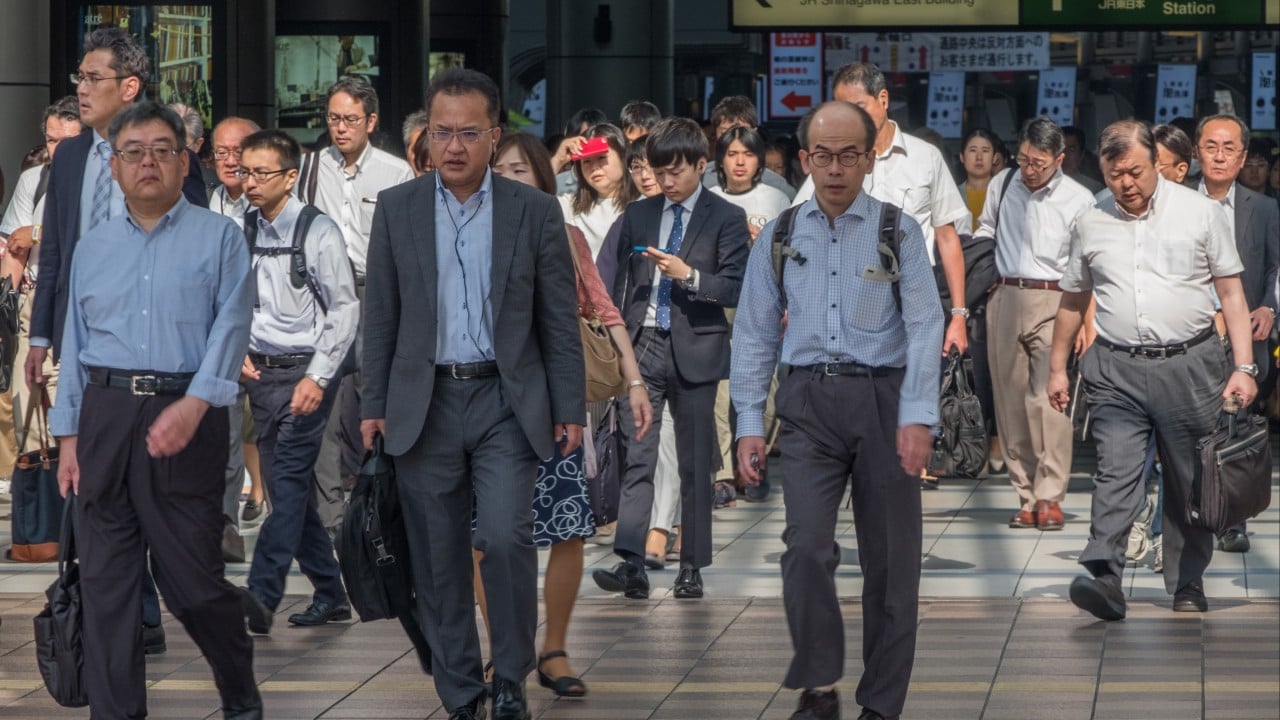
Last month, Japan’s internal affairs ministry released its yearly data ahead of Respect for the Aged Day. People aged 65 and over now make up a record 29.6 per cent of the population. But the figure I keep coming back to was this: 9.43 million Japanese workers were 65 or older last year, about 13.8 per cent of everyone with a job.
Members of Japan’s older population are not simply retired. A large part are still at work and some of those people are the ones businesses depend on.
The Asia-Pacific Regional Conference on Population Ageing is set to be held in Hangzhou, China, later this month. The organisers – HelpAge International, the UN Population Fund (UNFPA) and the China National Committee on Ageing – point out that ageing is reshaping labour markets and public finances across the region. But we also need to consider what happens to a family or a company when the person holding it together gets sick at 45.
I can answer that one. At 37, after building companies across three countries, I ended up in intensive care. That experience is why I now spend my working life on prevention.
What happened to me is common enough to show up in global data. Researchers at the Mayo Clinic looked at World Health Organization figures for 183 countries and found that the gap between how long people live and how long they stay healthy widened over two decades, reaching 9.6 years by 2019. That is nearly 10 years, on average, of living with illness or disability. The authors tied the gap to noncommunicable diseases, which tend to build quietly through midlife and get noticed late.
I live in Bangkok, and Thailand is a good place to watch this happen quickly. The World Bank projects that people aged 65 and over will go from 13 per cent of Thailand’s population in 2020 to 31 per cent in 2060. Over the same period, the working-age share is set to fall from 71 per cent to 56 per cent, a drop of nearly 30 per cent in the working-age population and the third-largest decline in East Asia and the Pacific, after South Korea and Japan. For the Asia-Pacific, UNFPA expects one person in four to be over 60 by 2050.
06:13
Race against time: will an ageing population derail Vietnam’s economic boom?
Put those numbers side by side and the health question becomes a business one. Each worker counts for more when there are fewer of them, and a nine-year stretch of poor health is expensive whoever ends up paying for it.
Our hospitals were built for a different moment. They are very good once something has gone wrong. They are not so well equipped to sit down with a healthy 45-year-old and work out what that person’s blood results might look like at 60, so it rarely happens.
Companies and family businesses can act on this sooner than any ministry.
Start with the board. Family offices in this region spend months on succession documents and trust structures, and almost no time asking whether the principal will be well enough to run things in 10 years. Key-person health belongs on the same risk register as succession.
Then change what a check-up is for. A yearly report filed in a drawer does very little. A proper baseline in midlife, read by a doctor and repeated over time, gives people something to act on while the fixes are still small.
02:12
Working until 70: Ageing in northeast China signals looming pension crisis
And stop treating prevention as a perk for people who are already burned out. If Japan is any guide, many people in Asia will keep working well past 65. They will need to be fit enough to do so.
Governments will still carry the cost of people who are ill, and that cost is going up. Yet, every healthy year someone keeps in their 50s is a year nobody has to pay for later, and a year their company doesn’t have to run without them.
I got my warning at 37. Many people get theirs much later, when there is less they can do about it. If the delegates in Hangzhou want one practical idea to take home, it should be to start the conversation about ageing at 40.
KioskNews shows a cleaned-up reading view extracted from the publisher’s page — the original always lives on their site, not ours.