Netflix's 32-Episode R-Rated Period Drama Deserves Credit For Saving An Entire Genre


Liz Hersey is an Editor and Critic for ScreenRant's TV team, editing, reviewing, writing, and creating content about the iconic shows you love to watch. She began her editing career at ScreenRant in 2019, shortly after joining the site as a Writer that same year.
With a passion for all things books, Liz frequently attends Toronto literary events and conferences, and loves interacting with her book lover community. In addition to being an avid reader of the romance and thriller genres, Liz is a writer of several short stories, and is currently at work on a young adult witch novel.
When she's not working, reading, or writing, Liz can be found seeing movies at her local cinema, attending live jazz events, or curling up on the couch to binge her favorite TV shows.
You can reach her at liz.h@screenrant.com.
Period drama series are a gamble. They are incredibly expensive to make, given the high cost of period-accurate costumes and sets, and they rarely attract the high viewership of similarly pricey fantasy or sci-fi shows. While these genres are frequently praised as fresh and inventive, critics are quick to label period dramas as stuffy.
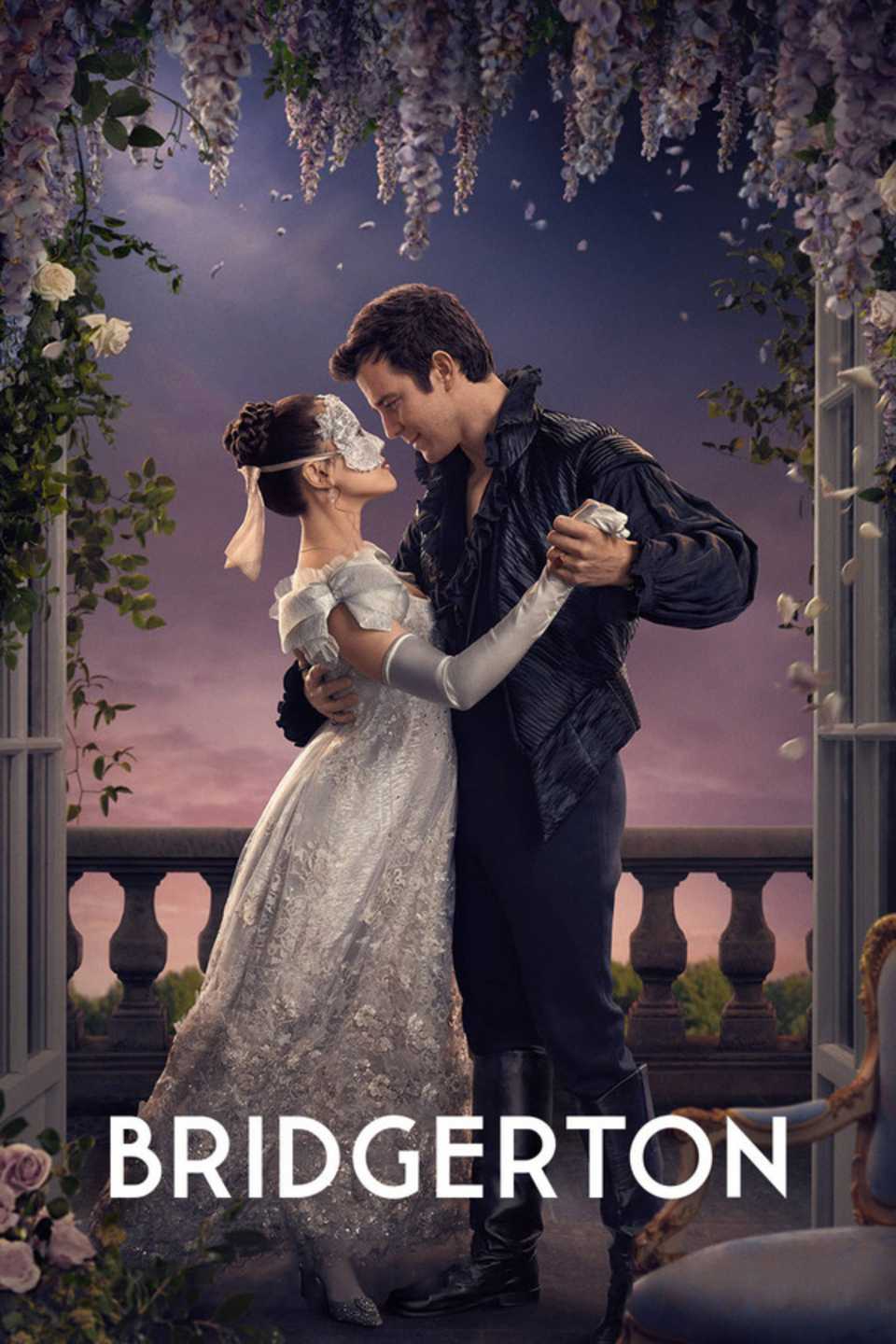
Then Netflix's Bridgerton came along, totally changing the game for period shows. Created by Shonda Rhimes and based on Julia Quinn's Bridgerton book series, the show has been a stalwart smash-hit for the streamer ever since it premiered in 2020. The fact that not only is Bridgerton season 5 set to premiere in 2027, but that Netflix has also renewed the show for a sixth season speaks volumes considering how trigger-happy the platform is with canceling their original series.
The show, which focuses on a different Bridgerton sibling's love story each season, instantly stood out for being much more sexually explicit compared to most period dramas, but Bridgerton's steamy scenes aren't the sole reason why it's so popular. The genre has never been in danger of dying completely, but thanks to Bridgerton, it's been given new life — and can even be considered cool.
Bridgerton Saved The Period Genre By Breaking Its Rules

Of course, Bridgerton's R-rated approach to the period genre certainly got people's attention, but if that's all it took to make real change, this would have been accomplished in the 2010s with spicy shows like The Tudors or Reign. Bridgerton sets itself apart not just by incorporating bodice-ripping nudity, but by framing its explicit scenes primarily around female desire, a concept still relatively foreign even in the 2020s.
Bridgerton doesn't just restrict itself to the bedroom in its exploration of women's wants and needs. Every female Bridgerton character, from romantic leads like Penelope Featherington and Kate Sharma to mature matriarchs — who are often cast aside in the genre — like Queen Charlotte and Lady Danbury, radiates with drive, ambition, and agency.
Period dramas have historically been very white. However, Bridgerton dispenses with this tradition by its use of anachronistic, color-conscious casting, in which actors of color play British nobility of all ranks — even royalty. Though this was initially met with some pushback, it hardly hurt the show, with Bridgerton remaining one of Netflix's highest-performing originals, even going into its fifth season. Rather, Bridgerton's casting approach gave the period genre a much-needed nudge regarding whose stories get to be told. Broadening horizons in any genre is a good thing, and period dramas were due for a reckoning.
Many Period Shows Have Been Following Bridgerton's Lead

Bridgerton's fingerprints are all over many of the streaming era's best period shows. Apple TV's The Buccaneers, Prime Video's My Lady Jane, and Netflix's The Decameron all feature some of the most three-dimensional, nuanced, and badass female protagonists not only in the period genre, but in any TV genre period.
Like the main characters themselves, these series refuse to color within the lines. They are boldly anachronistic in their pop-heavy soundtracks and modern dialogue. Also, gone is the genre's traditional drab palette. The period shows of today, like Bridgerton, pop off the screen with vibrant colors, creating an enchanting, inventive world full of life.
Question 1 of 3
It's also become increasingly rare for a period show to feature a lily-white cast, and again, Bridgerton deserves a lot of credit here. For a show that's been dismissed by many as soapy, frivolous fluff, Bridgerton has left an indelible mark on television storytelling, and it's clear that the series is having a blast doing it.
- Release Date
- 2020 - 2026-00-00
- Network
- Netflix
- Directors
- Tom Verica, Tricia Brock, Alex Pillai, Alrick Riley, Bille Woodruff, Cheryl Dunye, Sheree Folkson, Julie Anne Robinson
- Writers
- Abby McDonald, Sarah L. Thompson, Daniel Robinson, Oliver Goldstick, Leila Cohan-Miccio, Azia Squire, Sarah Dollard, Eli Wilson Pelton, Janet Lin
-

Luke Thompson
Lady Violet Bridgerton
-

Ruth Gemmell
Benedict Bridgerton
Set in Regency-era England, Bridgerton follows the family of the same name as they navigate London's marriage market, where each social season brings new romances, rivalries, scandals, and carefully arranged matches.
KioskNews shows a cleaned-up reading view extracted from the publisher’s page — the original always lives on their site, not ours.