China’s hospital ships project a different kind of naval power in Africa
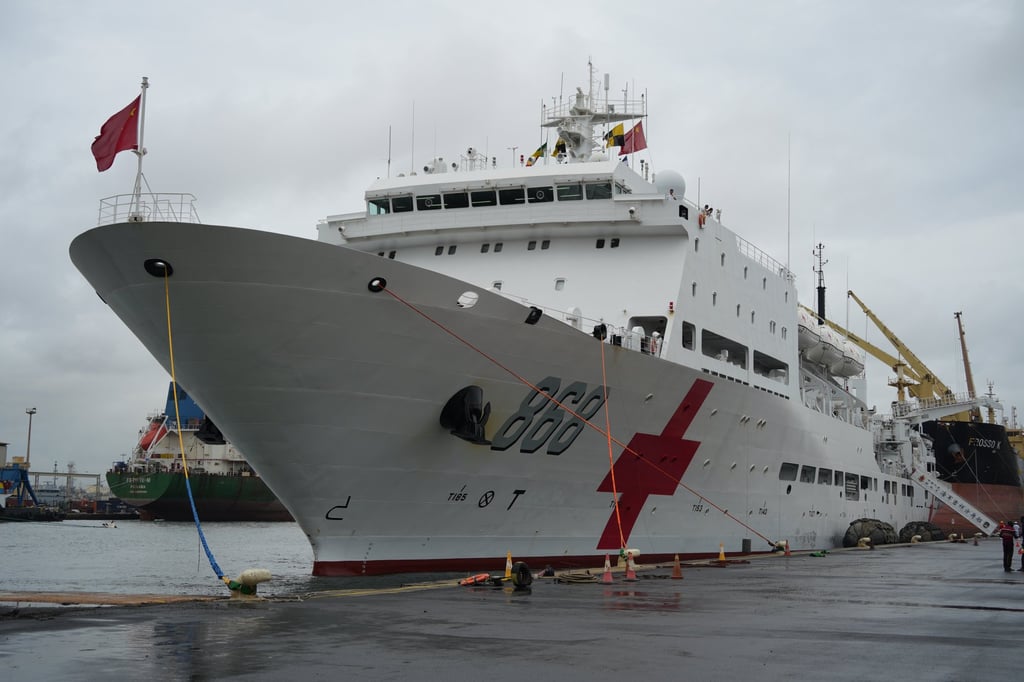
When the Auspicious Ark entered Dakar, Senegal, on September 25, the scene looked closer to a public health mission than a naval deployment. Senegalese people and members of the Chinese community were waiting at the port as the vessel arrived for the first visit by a Chinese naval hospital ship to Senegal.
The Auspicious Ark is a PLA Navy vessel. That places the visit within a wider Chinese maritime presence in Africa, something more often associated with anti-piracy patrols, port calls, training missions and questions over overseas access. Now, it reaches people through consultations, surgeries and exchanges with local medical staff, giving China’s naval presence a quieter and more personal form.
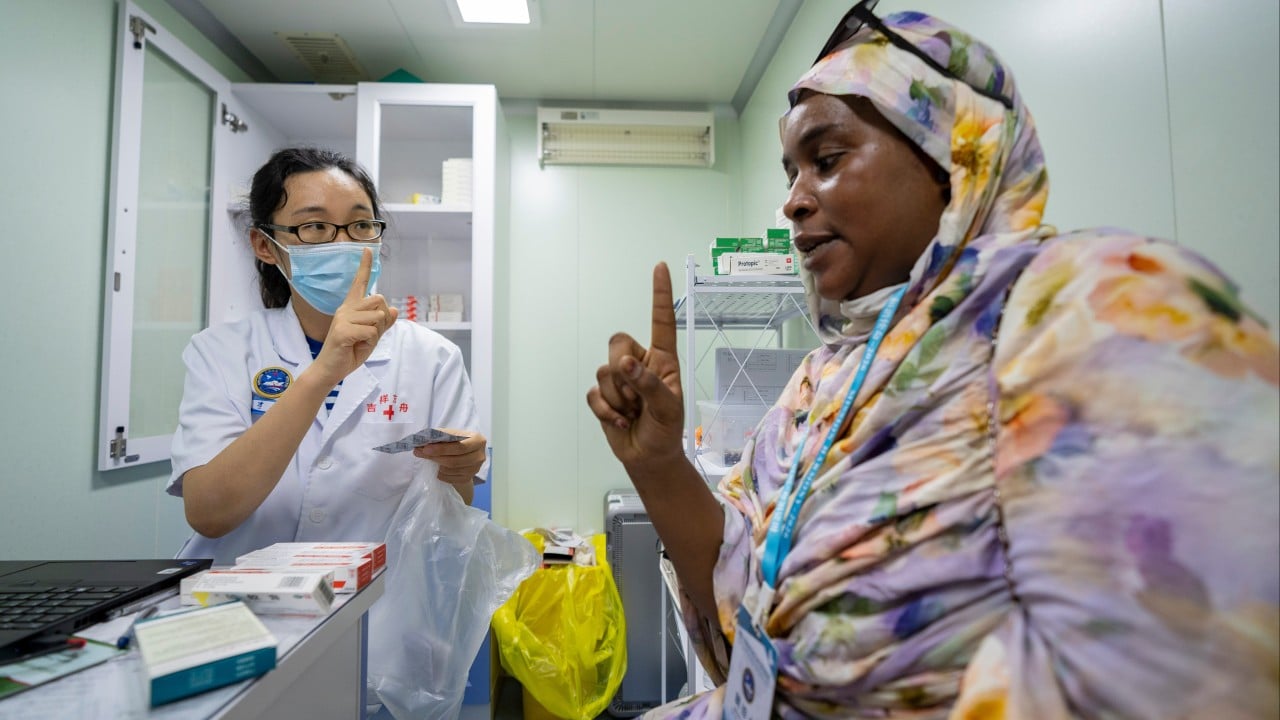
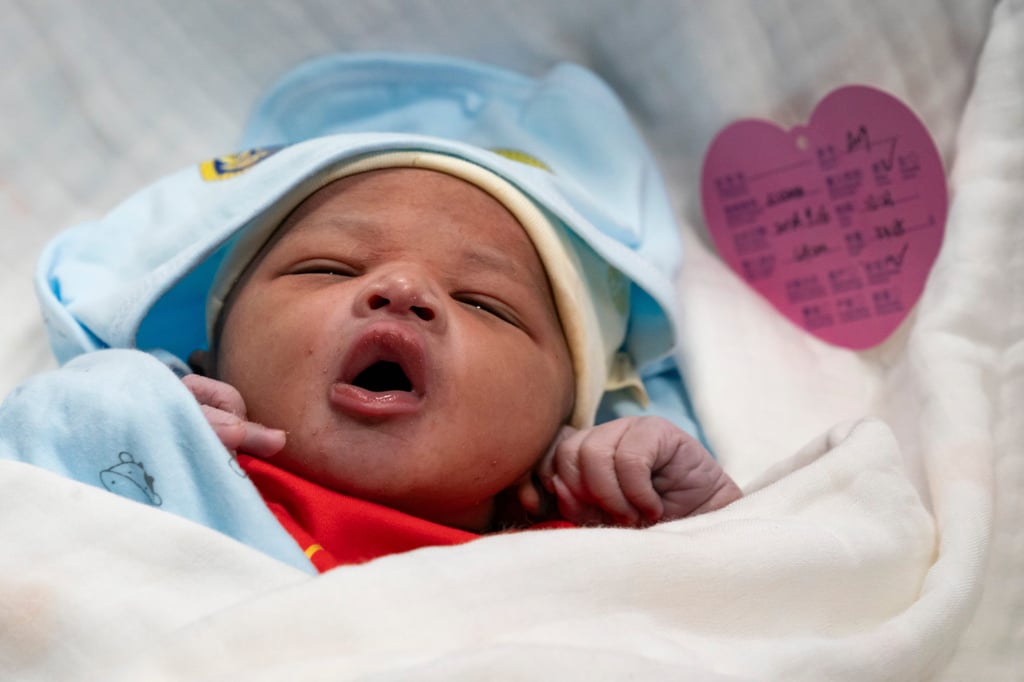
The contrast was already visible in Mauritania, the ship’s previous stop. During its seven-day stay in Nouakchott, a woman with a high-risk pregnancy sought help and gave birth aboard the vessel. That evening, the ophthalmology team completed its first cataract operation of the visit. The ship handled more than 1,600 patient visits in a single day.
The Auspicious Ark brings a welcome capability into port: a functioning medical system that can begin treating people within hours of arrival. The ship, on its first overseas mission, has 18 clinical departments, eight operating rooms and a medical team of more than 100 people. It can carry out more than 60 types of examinations and procedures, while a shipborne helicopter extends its emergency rescue range.
Such missions have become a regular part of China’s naval diplomacy. It began in 2010 with the Peace Ark. That ship carried out the first 10 deployments, while the Silk Road Ark took over the 11th mission. The Auspicious Ark is now undertaking the 12th – a mission expected to last more than 200 days.
Repeated visits give the programme much of its weight. Since its first overseas deployment, the Peace Ark has called at 49 countries and regions and treated more than 370,000 people. In 2024 alone, it spent 215 days at sea, saw 82,980 patients and carried out 1,392 operations across Asia and Africa, giving these missions a familiarity that a single port visit could never create.
The Auspicious Ark arrived on familiar ground. Chinese medical teams have worked in Senegal since 1975, with more than 300 professionals treating an estimated 3.5 million patients, according to Senegal’s health ministry. In Senegal, the current programme includes hospital exchanges and community activities alongside treatment aboard the ship.
Medical cooperation carries less political baggage than a basing arrangement or a major arms deal, yet it still brings Chinese personnel into regular contact with officials, hospitals and local communities. For Dakar, the appeal is straightforward: useful medical support on terms it can shape. For Beijing, the visits deepen ties with officials and institutions.
China’s maritime role in West Africa has expanded through other channels. Chinese warships have made port calls around the Gulf of Guinea, held joint drills and supported training for regional countries. Beijing has hosted maritime security officials from 18 Gulf of Guinea countries as piracy, oil routes and the safety of commercial shipping have pushed naval cooperation higher on the agenda.
Security cooperation around the Gulf of Guinea usually reaches the public indirectly, through training programmes, port visits or agreements between defence ministries. For a patient treated for cataracts or a doctor working with visiting specialists, the Chinese naval presence is experienced through a service with clear personal value.
The visits are brief, and national health systems still face shortages of staff, equipment and financing once the ship leaves, yet the programme has become a recurring part of Chinese naval activity overseas.
These vessels are military assets, built to support naval operations and provide medical care during emergencies or conflict. Crews learn how to operate across distant seas, while visits to African ports depend on coordination with local authorities.
China has spent years building the reach that makes such missions possible. Its Gulf of Aden escort programme has run since 2008, giving PLA Navy crews long experience away from home waters, while China’s military base in Djibouti provides a permanent foothold near one of the world’s busiest sea lanes.
Hospital ships depend on that logistical depth. Months-long deployments require replenishment, crew rotation, maintenance and experience in distant waters, turning medical diplomacy into something a navy must first have the capacity to sustain.
In West Africa, maritime exercises and security cooperation often remain distant from ordinary life. While the political effect of a hospital ship visit is difficult to measure, a consultation, an operation or a child delivered safely aboard a Chinese naval vessel can leave a memory long after the ship has sailed.
The Auspicious Ark will eventually leave Dakar and continue its mission. But chances are, some of its reach will remain in places no chart can mark.
KioskNews shows a cleaned-up reading view extracted from the publisher’s page — the original always lives on their site, not ours.