How rising seas transformed dry land into Venice lagoon

Venice is famed for being a floating city, but research shows the land it sits on once lay many miles inland. Dramatic changes in sea level over 10,000 years have reshaped the northern Adriatic coastline, with much of the land that our ancestors roamed now lying beneath the waves.
Samuele Ongaro, at the University of Southampton, and colleagues combined seismic data with sedimentary cores from the coastal basins of northern Italy, Slovenia and northern Croatia to model changes in sea level across the region and reconstruct past landscapes over the past 10,000 years.
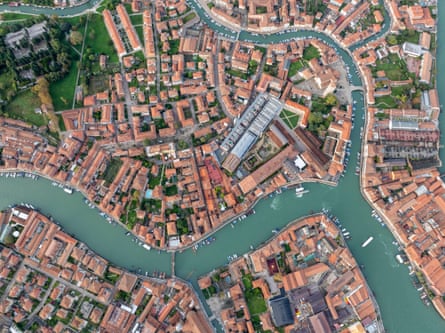
Their results, published in Quaternary Science Reviews, show that the present-day Venice lagoon was once dry land extending more than 30 miles from the coast, and that Trieste was previously an area of hills overlooking swamps and lagoons.
Starting just over 10,000 years ago, sea level rose in fits and starts, sometimes by up to 25mm a year, forcing Mesolithic hunter-gatherer populations to shift their hunting and fishing activities as they adapted to a rapidly changing environment. The most dramatic changes occurred in three distinct phases, followed by a period of relative stability over the past 6,000 years, which supported the formation of settlements and the advent of farming in the landscape we are familiar with today.
KioskNews shows a cleaned-up reading view extracted from the publisher’s page — the original always lives on their site, not ours.