Laotian man freed from eSwatini jail 14 months after US third-country deportation
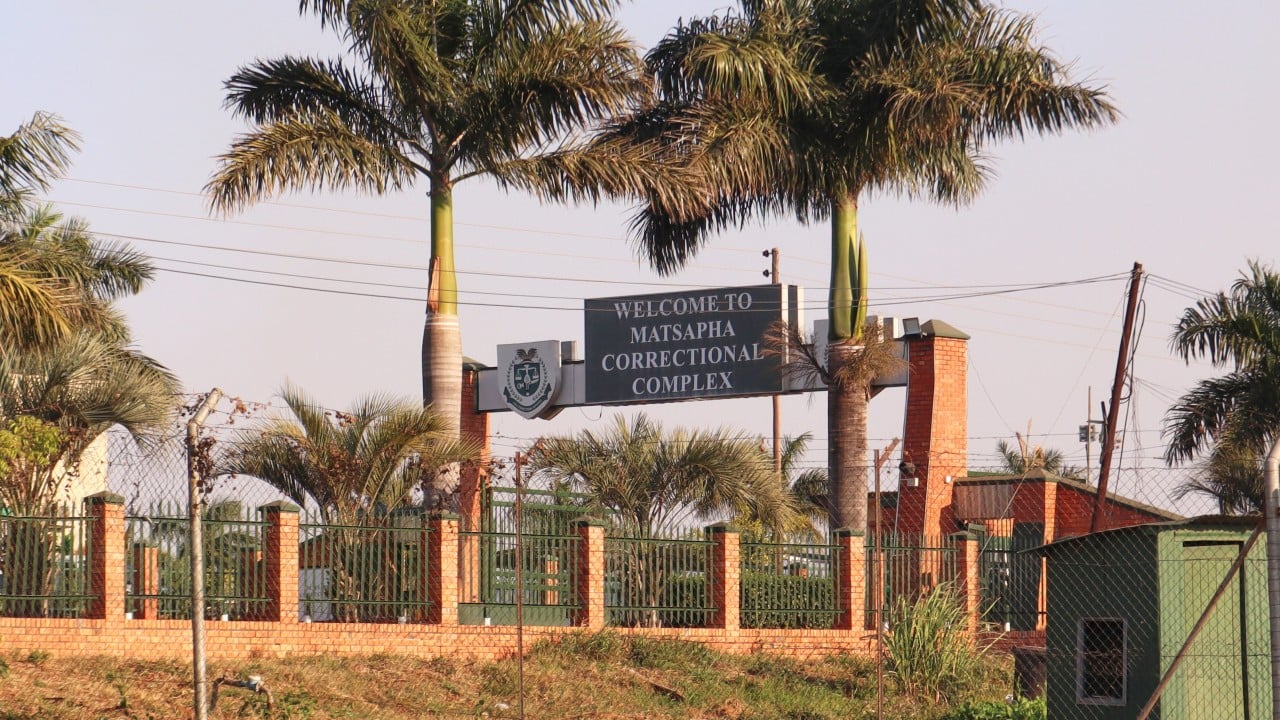
A Laotian citizen deported by the United States to eSwatini under Donald Trump administration’s immigration crackdown was released from a maximum-security prison in the African nation on Sunday after being held there for more than a year, his lawyer said.
Phone Chomsavanh was among five immigrants deported to eSwatini – where he has no ties – in July 2025, in the early days of the Trump administration’s secretive and highly contentious third-country deportation programme.
Chomsavanh’s US-based lawyer, Tin Thanh Nguyen, said in a statement announcing his release that he had been informed that he was being deported to eSwatini only shortly before a military cargo plane carrying him and other deportees landed there more than 14 months ago.
Chomsavanh was now being deported to Laos, Nguyen said.

Chomsavanh and the four other immigrants he was deported with to eSwatini with were convicted of serious crimes in the US, but had served their sentences by the time they were sent to the Matsapha Correctional Complex near Eswatini’s administrative capital, Mbabane.
“He had already served his time. Instead they put him on a plane without telling him where it was headed and left him in a prison in a country he had never heard of, where nobody ever accused him of anything,” Nguyen said. “He sat there for more than a year. No notice, no hearing, no chance to object. That is not due process by any definition.”
He said in a separate interview that Chomsavanh had left eSwatini and landed in Johannesburg en route to Laos. The eSwatini government did not immediately acknowledge Chomsavanh’s release.
Chomsavanh was born in a refugee camp in Thailand after his parents fled Laos, and his family moved to the United States when he was seven, his lawyer said.
Chomsavanh is one of around 500 immigrants who have been deported from the United States to African countries that are not their home nations since the third-country programme began last year, according to advocacy groups Human Rights First and Refugees International, which have been monitoring the deportations.
Around a dozen African countries have accepted third-country deportees from the US, some in exchange for millions of dollars in payments.
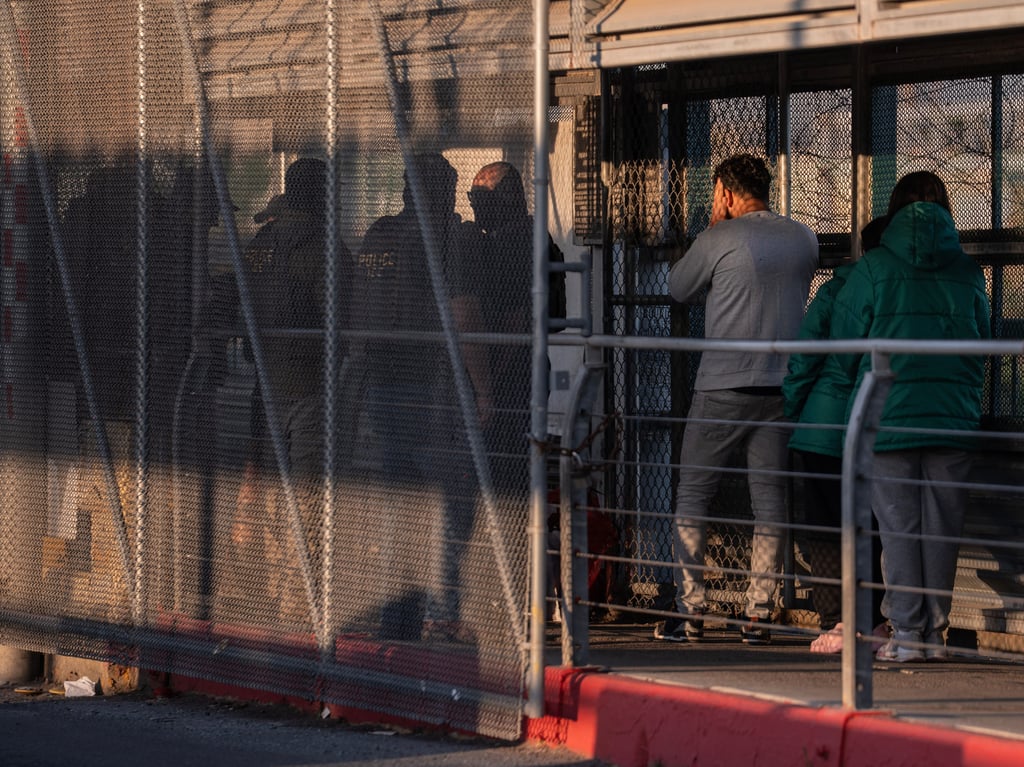
ESwatini, which is Africa’s last absolute monarchy and is ruled by a king, was paid US$5.1 million by the Trump administration to take deportees, according to the agreement between the countries. eSwatini has received around 30 deportees so far.
The programme, which results in immigrants being held in countries they have no ties to and where they have not been charged with any crime, has been fiercely criticised by rights groups and lawyers. It has been the subject of legal challenges in the US and in some of the countries where immigrants have been sent.
The Trump administration has defended the policy as a way to quickly remove immigrants who have final deportation orders from the US when their home countries might not immediately take them back.
Last month, a US appeal court upheld a judge’s ruling to halt the programme, because it did not give immigrants facing removal from the US time to challenge their deportation to a third country if they fear persecution or torture there.
The US Supreme Court ruled last week to temporarily allow the Trump’s administration to continue swiftly removing immigrants to third countries, though it will hear arguments in the case in December.
The programme has largely been carried out in secrecy, with little transparency over how many immigrants have been deported to third countries, and where and in what conditions they are being held.
KioskNews shows a cleaned-up reading view extracted from the publisher’s page — the original always lives on their site, not ours.